Product Description
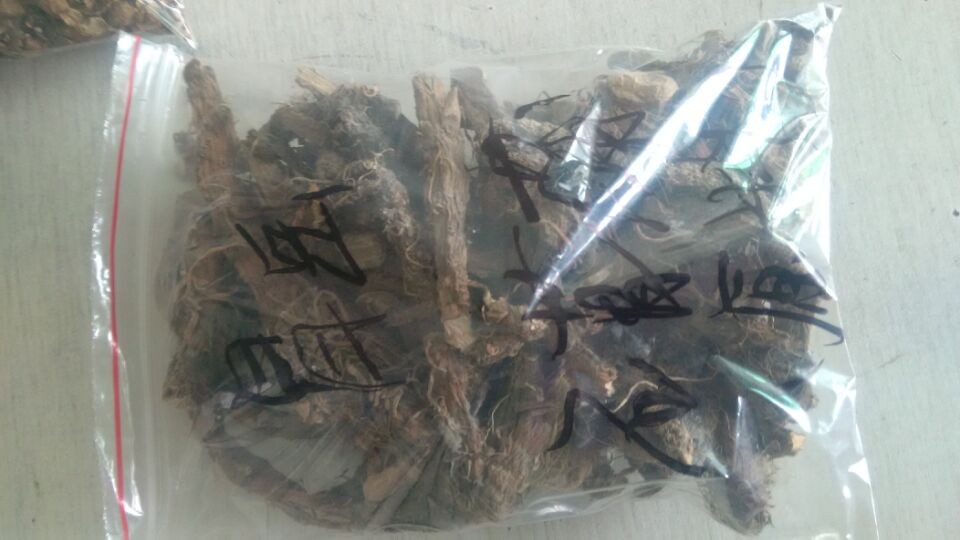
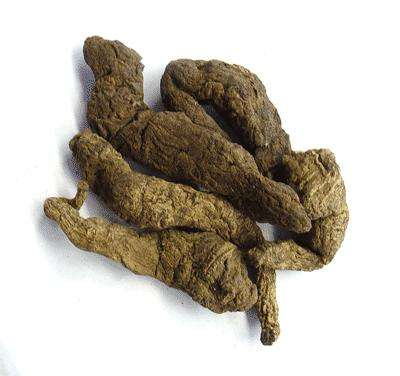
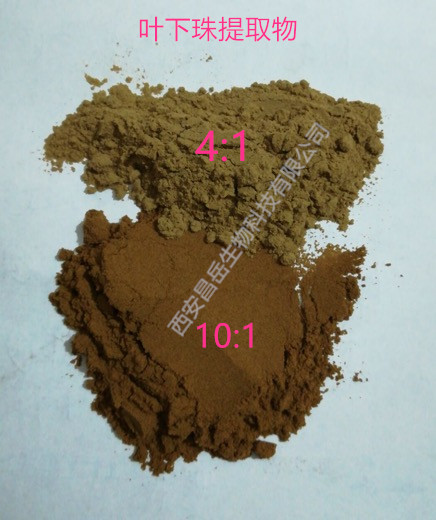
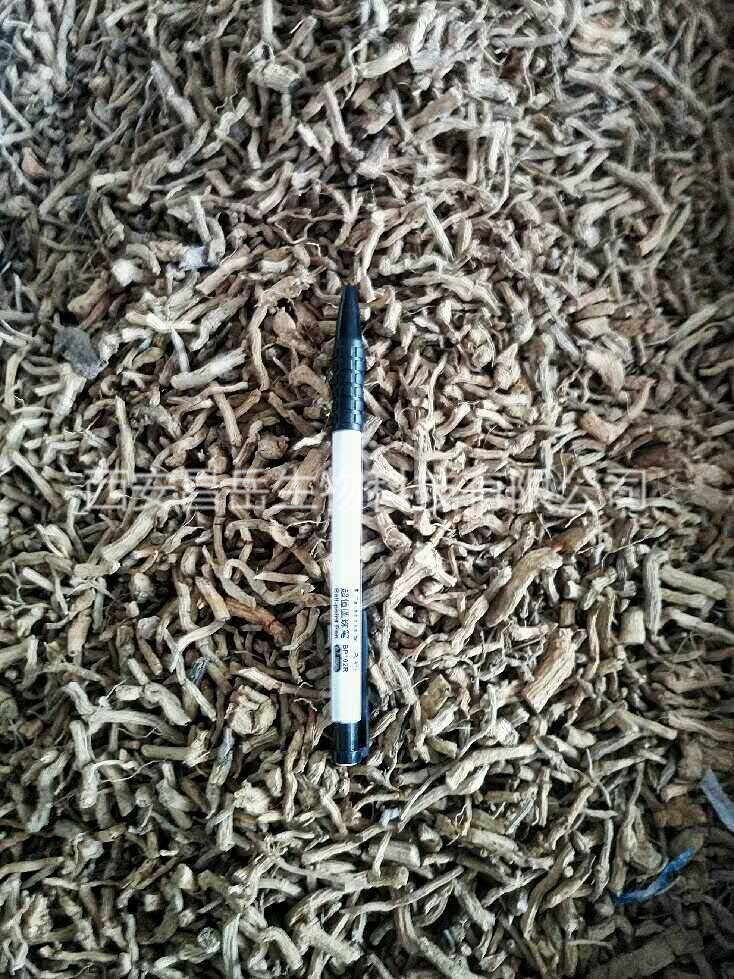
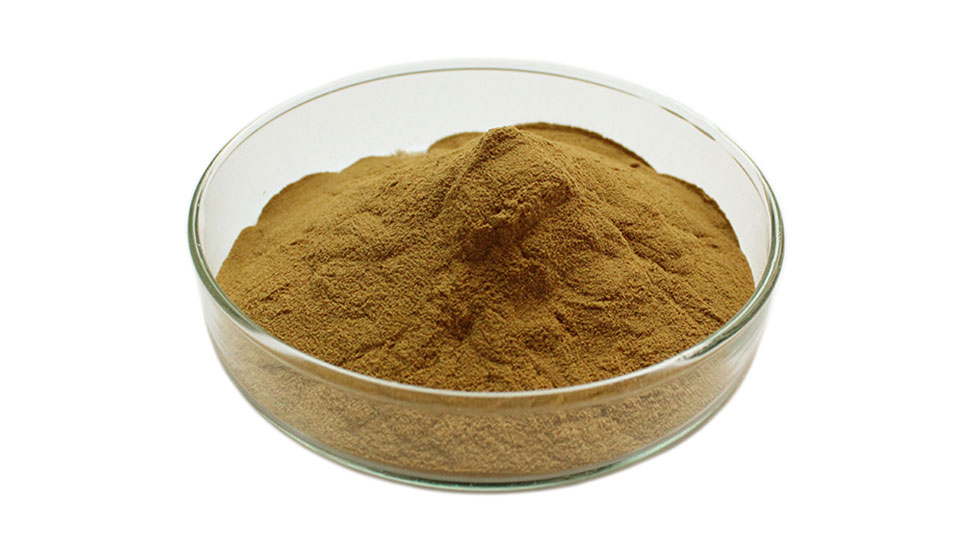
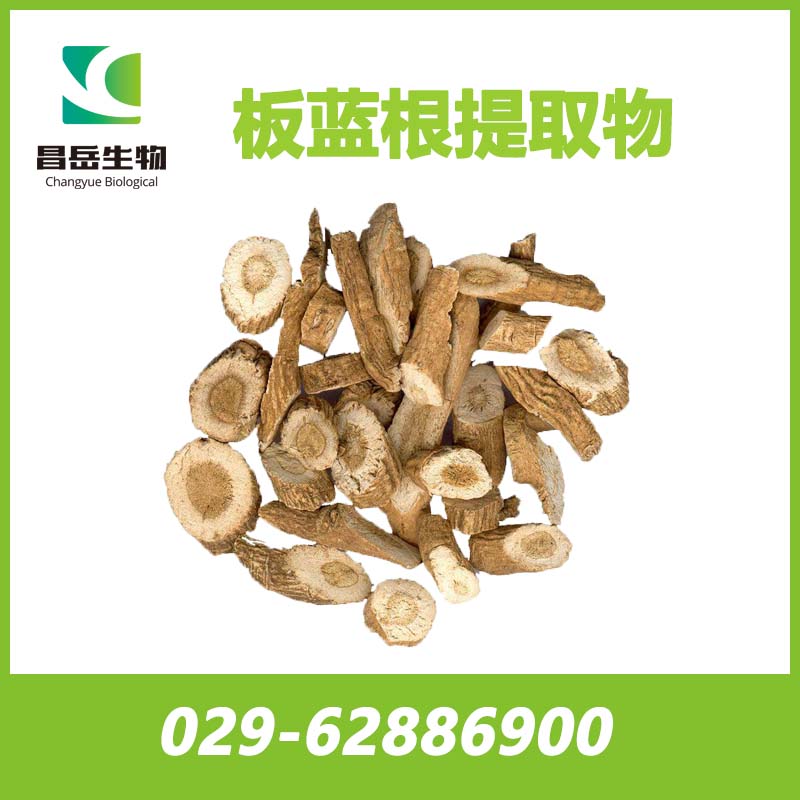
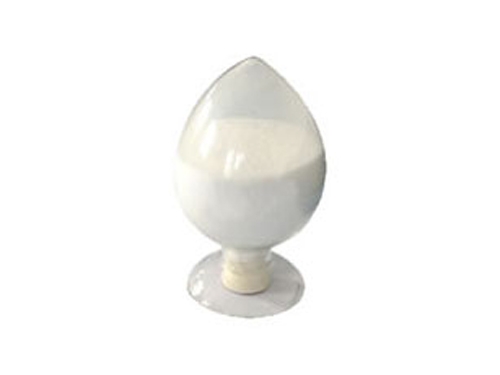
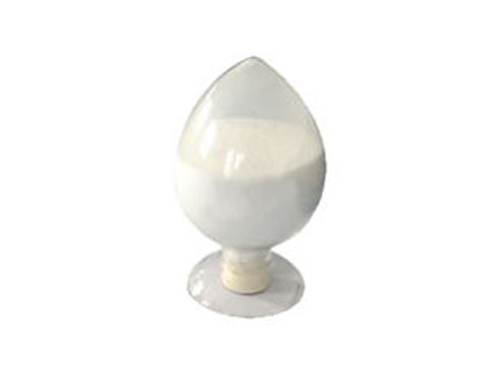
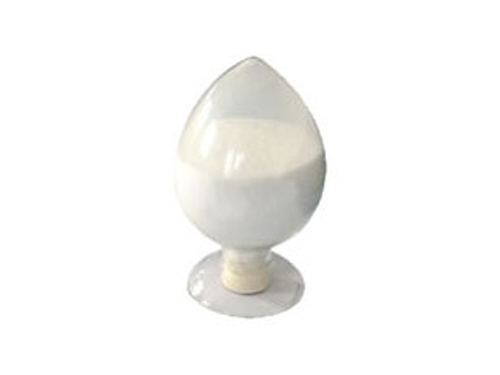
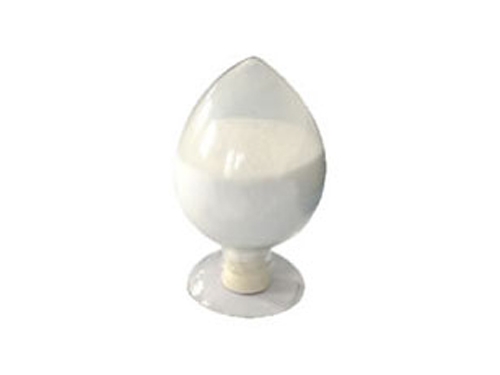
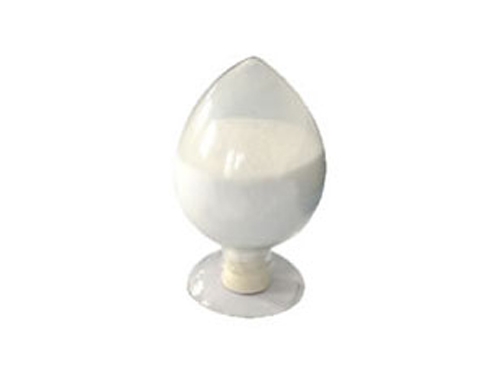
Tan powder, dry ranunculaceae monkshood root, after processing, grinding, extracted by ethanol as the solvent heating reflux, recycling of ethanol extract, concentrate spray drying.
AI Product Description
*The following content is generated by AI and is for reference only.
Aconite Tuber Extract is a potent botanical derivative obtained from the roots of plants belonging to the *Aconitum* genus, most notably *Aconitum carmichaelii*. It has been utilized for centuries in traditional medicine systems, particularly Traditional Chinese Medicine (TCM) and Ayurveda, primarily for its analgesic, anti-inflammatory, and circulatory stimulant properties. However, it is crucial to note that raw aconite contains highly toxic alkaloids, such as aconitine, mesaconitine, and hypoaconitine, which can be fatal if not processed correctly or dosed precisely. Consequently, commercial extracts undergo rigorous purification and standardization processes to reduce toxicity while preserving therapeutic efficacy.
From a chemical perspective, the extract is a complex mixture rather than a single compound with one molecular formula or CAS number. The primary bioactive constituents are diterpenoid alkaloids. For instance, aconitine itself has the molecular formula C34H47NO11 and a CAS registry number of 302-24-9. Other significant components include chasmanine (C28H41NO6, CAS 503-58-2) and benzoylaconine. Because the final product is an extract containing varying ratios of these alkaloids depending on the source plant and extraction method, it does not possess a single unified CAS number; instead, suppliers typically list the specific alkaloids contained within the extract.
The primary applications of Aconite Tuber Extract focus on pain management, specifically for conditions like rheumatism, arthritis, and neuralgia. It is often formulated into topical liniments, ointments, or oral preparations under strict medical supervision to improve blood circulation and alleviate chronic joint pain. In modern pharmacological research, scientists investigate its potential mechanisms for treating cardiovascular issues and certain types of cancer, although clinical application remains limited due to safety concerns. Due to its narrow therapeutic index, the use of this extract is heavily regulated globally. It is strictly prohibited for over-the-counter sale in many jurisdictions without a prescription. Users must exercise extreme caution, ensuring products are sourced from reputable manufacturers who adhere to strict quality control standards to minimize the risk of severe poisoning.




 (All Rights Reserved)