Product Description
please call me ,to know more
AI Product Description
*The following content is generated by AI and is for reference only.
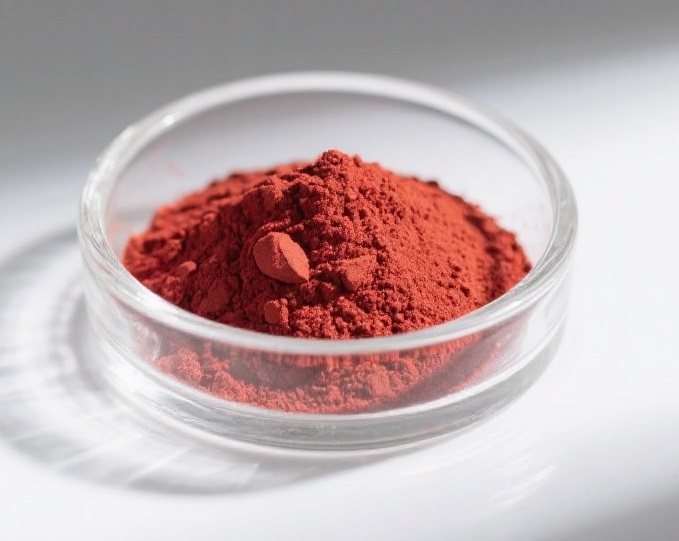
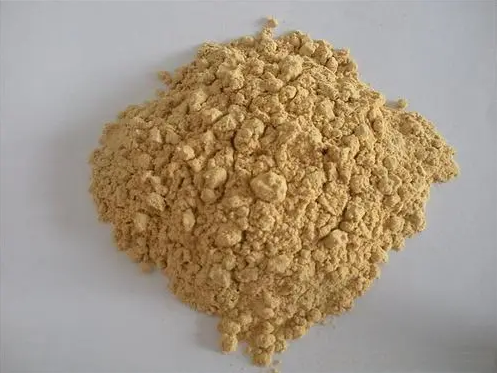
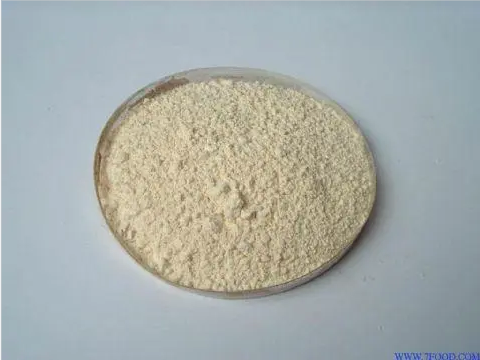
Acetylaconitine is a highly potent diterpenoid alkaloid primarily derived from the roots of Aconitum species, commonly known as monkshood or wolfsbane. Its chemical structure consists of three acetyl groups attached to the aconitine backbone, resulting in the molecular formula C34H47NO11. The compound is uniquely identified by the CAS registry number 302-59-6. This substance belongs to the class of toxic alkaloids that act as powerful neurotoxins and cardiotoxins.
In terms of biological activity, Acetylaconitine functions by binding to voltage-gated sodium channels on nerve cell membranes. Unlike many other toxins that block these channels, it causes them to remain open for extended periods. This leads to persistent depolarization of neurons, which disrupts normal nerve impulse transmission. The clinical manifestations of exposure include severe paresthesia, muscle paralysis, respiratory failure, and potentially fatal cardiac arrhythmias. Due to its extreme toxicity, with a lethal dose comparable to that of cyanide, it poses significant risks if ingested, inhaled, or absorbed through the skin.
Regarding its applications, Acetylaconitine has no approved uses in modern human medicine due to its narrow therapeutic index and high danger profile. Historically, derivatives of Aconitum plants containing this alkaloid were used in traditional Chinese and Tibetan medicine for pain relief and treating rheumatic conditions, but such practices require rigorous standardization and purification to minimize poisoning risks. In contemporary scientific research, it serves as a critical tool for pharmacological studies investigating ion channel physiology and the mechanisms of neurotoxicity. Researchers utilize it to model acute toxicity and to test antidotes against similar alkaloids. Furthermore, it is strictly regulated globally; possession without specific laboratory authorization is illegal in most jurisdictions. Safety data sheets emphasize immediate medical intervention in case of accidental exposure, noting that there is no specific antidote available. Consequently, while scientifically valuable for understanding cellular electrophysiology, Acetylaconitine remains one of the most dangerous natural substances requiring strict containment protocols in any research setting.






 (All Rights Reserved)