Acarbose EP used for Diabetes treatment made in China 56180-94-0
AI Product Description
*The following content is generated by AI and is for reference only.
Acarbose EP is a highly purified, European Pharmacopoeia (EP)-compliant formulation of the alpha-glucosidase inhibitor Acarbose, widely manufactured in China for global pharmaceutical markets. Chemically known as 4,5,6-tri-O-(2-acetamido-2-deoxy-alpha-D-glucopyranosyl)-D-glucofuranose, this complex oligosaccharide carries the CAS Registry Number 56180-94-0. Its molecular formula is C₂₅H₄₃NO₁₈, reflecting a structure composed of three units of N-acetylglucosamine linked to a glucose core. The "EP" designation signifies that the product strictly adheres to the rigorous quality standards set by the European Pharmacopoeia regarding purity, assay, and impurity profiles, ensuring safety and efficacy for clinical use.
The primary therapeutic application of Acarbose EP lies in the management of Type 2 Diabetes Mellitus. It functions as an oral antihyperglycemic agent specifically designed to control postprandial blood glucose levels. Unlike insulin secretagogues, Acarbose does not stimulate insulin release; instead, it competitively inhibits alpha-glucosidases located on the brush border of the small intestine. These enzymes are responsible for breaking down complex carbohydrates into absorbable monosaccharides. By delaying this digestion process, Acarbose slows the absorption of glucose into the bloodstream, thereby flattening the post-meal glucose spike. This mechanism helps improve overall glycemic control and reduces HbA1c levels without causing significant hypoglycemia when used as monotherapy.
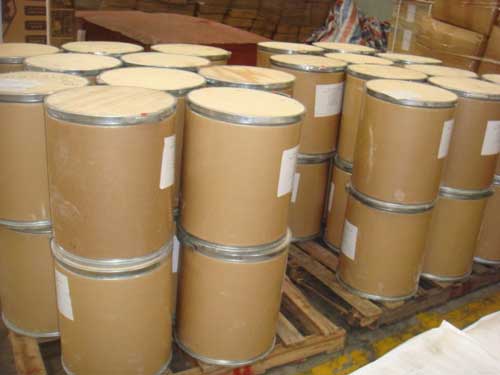
Manufactured extensively in China, this pharmaceutical grade material serves as a critical active pharmaceutical ingredient (API) for generic drug producers worldwide. Chinese facilities leverage advanced fermentation and purification technologies to produce Acarbose at scale while maintaining compliance with international regulatory requirements. The product is typically supplied in powder form for tablet compression or further formulation into capsules. Its widespread availability from Chinese sources has made it an affordable and accessible treatment option for millions of patients globally, playing a pivotal role in long-term diabetes management strategies alongside lifestyle modifications and other pharmacological interventions.