Product Description
Product specification :10:1 20:1
Detection method :TLC
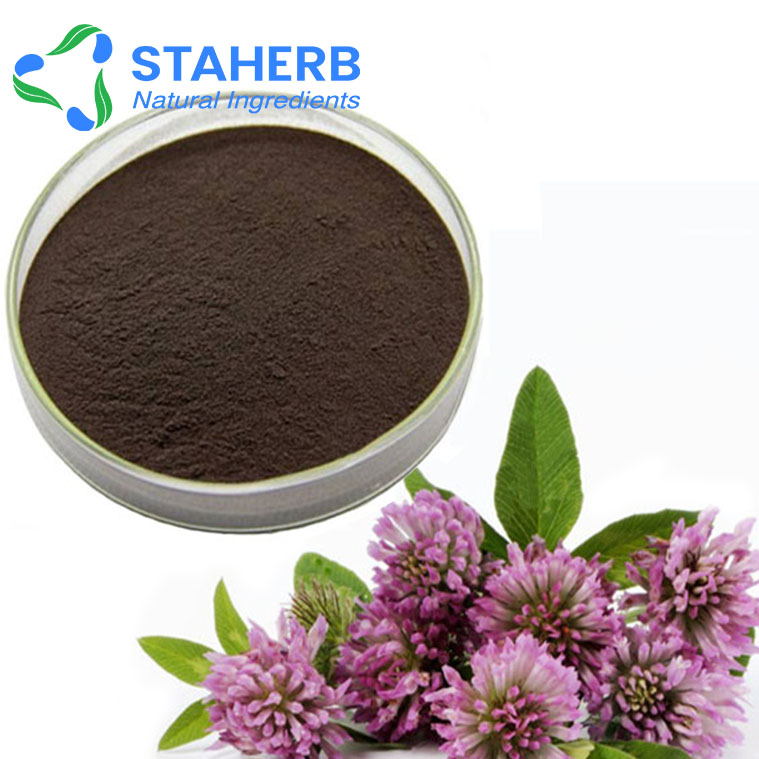
Extract part: leaf and flower
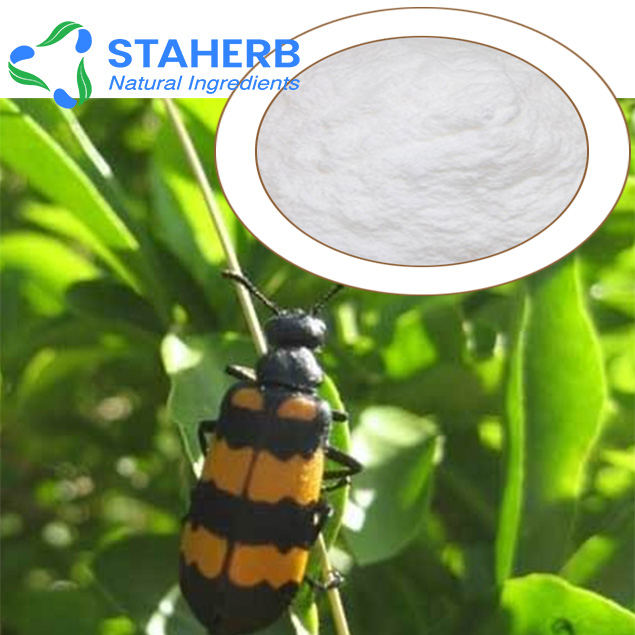
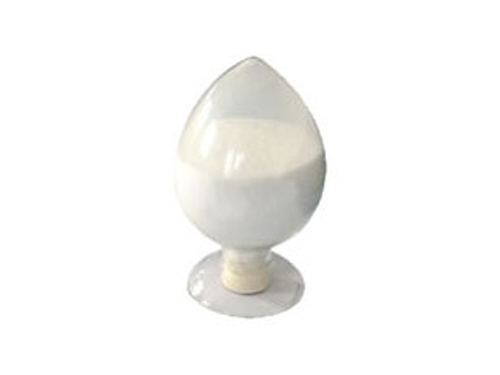
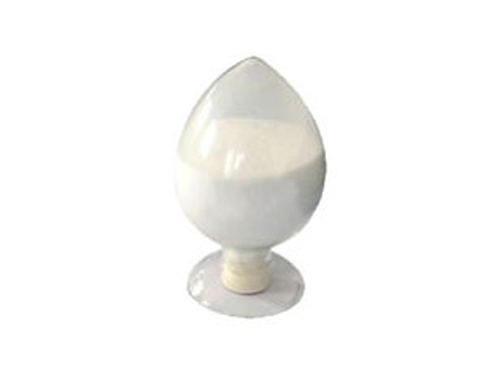
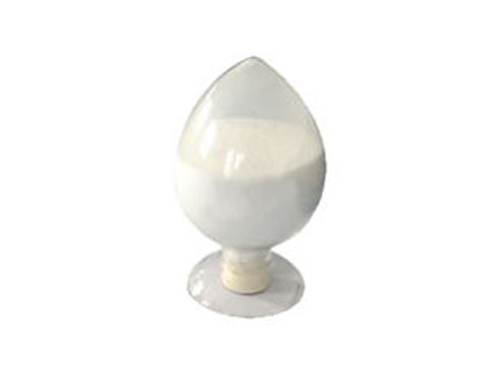
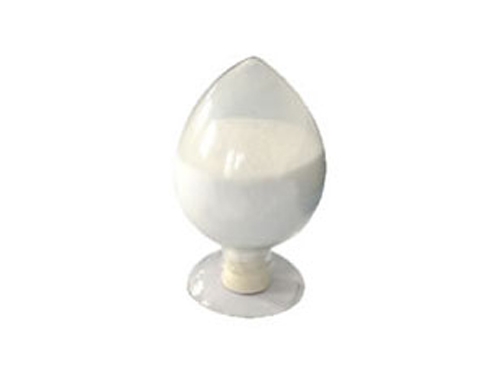
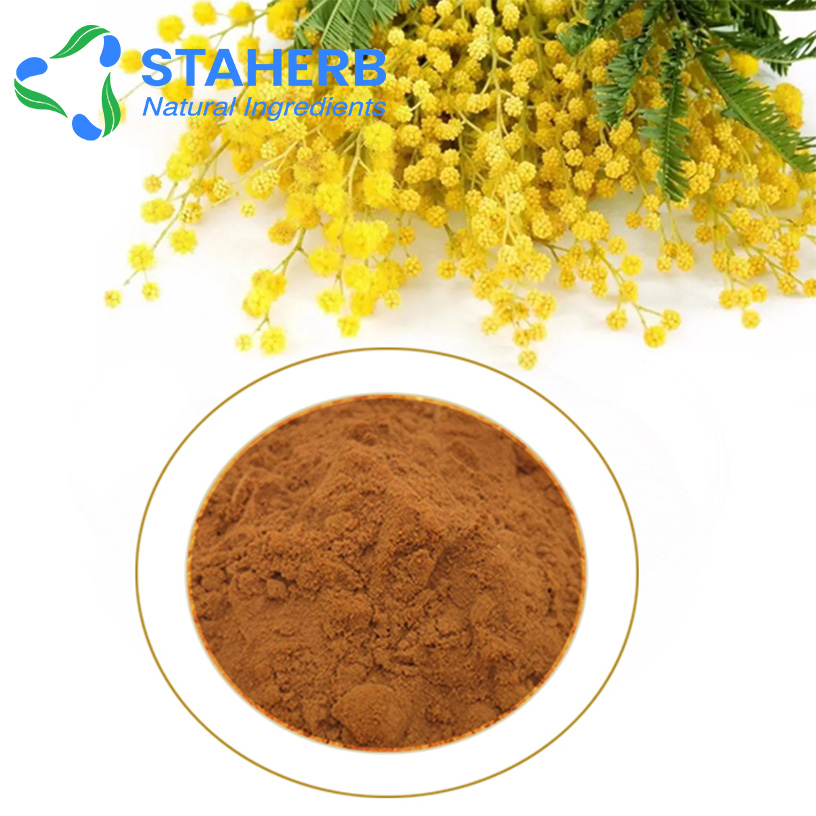
Product color: Yellow Brown powder
fineness :80-100 mesh Drying method: spray drying
Shelf life: two years
Packaging: Zip-lock bag/aluminum foil bag/carton/cardboard barrel Manufacturer: Changsha Staherb Natural Ingredients Co., LTD.
Storage conditions: cool and dry place
AI Product Description
*The following content is generated by AI and is for reference only.
Acacia farnesiana, commonly known as Golden Wattle or Cassie, is a flowering shrub native to tropical and subtropical regions of the Americas. The extract derived from its flowers, pods, and bark has been utilized for centuries in traditional medicine, perfumery, and cosmetics due to its rich aromatic profile and bioactive properties. While "Acacia Acacia farnesiana" appears to be a redundant nomenclature, the scientifically accepted name is Acacia farnesiana (formerly Vachellia farnesiana).
The specific chemical composition of Acacia farnesiana extract varies depending on the plant part used and the extraction method employed. Unlike isolated pure compounds such as quercetin or tannins which possess defined molecular formulas and CAS numbers, the crude or standardized extract is a complex mixture containing flavonoids, phenolic acids, tannins, essential oils, and volatile terpenes. Consequently, it does not have a single universal molecular formula or a unique CAS number assigned to the entire botanical extract itself. Instead, individual constituents within the extract may have their own identifiers; for example, certain key aroma compounds like linalool or benzyl alcohol have distinct CAS numbers. However, commercial suppliers typically list the product under generic botanical extract codes rather than a specific chemical CAS registry entry.
In terms of applications, Acacia farnesiana extract is highly valued in the fragrance industry for its sweet, powdery, and floral scent, often described as resembling jasmine or orange blossom. It serves as a base note in fine perfumes and soaps. In the cosmetic sector, the extract acts as an antioxidant and skin-conditioning agent, helping to protect against environmental stressors while improving skin texture. Its anti-inflammatory and antimicrobial properties make it suitable for soothing sensitive skin formulations. Furthermore, in traditional herbal practices, extracts are sometimes used topically to treat minor wounds or internally for digestive issues, though clinical validation varies. Due to its natural origin and multifaceted benefits, it remains a popular ingredient in clean beauty and organic skincare products, offering both sensory appeal and functional efficacy without synthetic additives.





 (All Rights Reserved)