Density1.5±0.1 g/cm3
Boiling Point679.1±55.0 °C at 760 mmHg
Melting Point298-300ºC
Molecular FormulaC22H19N3O4
Molecular Weight389.404
Flash Point364.5±31.5 °C
Exact Mass389.137543PSA74.87000LogP1.43
Vapour Pressure0.0±2.1 mmHg at 25°
CIndex of Refraction1.758
Storage conditionHygroscopic, -20 C Freezer, Under Inert Atmosphere
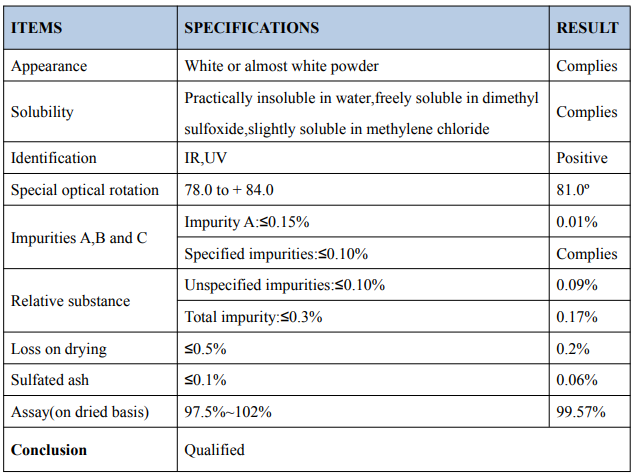

*The following content is generated by AI and is for reference only.
Tadalafil, identified by the CAS number 171596-29-5, is a potent and selective phosphodiesterase type 5 (PDE5) inhibitor widely recognized for its therapeutic applications in treating erectile dysfunction (ED) and symptoms of benign prostatic hyperplasia (BPH). The chemical structure of Tadalafil corresponds to the molecular formula C22H19N3O4S, with a precise molecular weight of approximately 405.46 g/mol. This compound features a distinctive dihydro-1,3-dimethyl-4-nitro-2-pyridone core substituted with a 3-(1,3-benzodioxol-5-yloxy)-4-methoxyphenyl group, which contributes significantly to its high selectivity for PDE5 over other isoforms like PDE6 or PDE11.
As a medication, Tadalafil functions by enhancing the nitric oxide-cyclic guanosine monophosphate (cGMP) pathway within the smooth muscle cells of the corpus cavernosum. Upon sexual stimulation, increased blood flow facilitates an erection; Tadalafil prevents the breakdown of cGMP, thereby prolonging this physiological response. A key distinguishing feature of Tadalafil compared to similar agents is its exceptionally long half-life, often referred to as "the weekend pill," allowing for efficacy lasting up to 36 hours. This extended duration provides patients with greater spontaneity and flexibility in their intimate lives.
Beyond ED, Tadalafil is clinically approved for the treatment of pulmonary arterial hypertension (PAH) under different brand names, where it helps relax pulmonary vasculature to improve exercise capacity. In BPH management, it alleviates urinary obstruction symptoms by relaxing smooth muscles in the prostate and bladder neck. While generally well-tolerated, common side effects may include headache, dyspepsia, back pain, and myalgia. Patients taking nitrates or alpha-blockers must exercise caution due to the risk of severe hypotension. The "99% up" designation typically refers to pharmaceutical-grade purity standards required for clinical efficacy and safety, ensuring minimal impurities in the final formulation. Ongoing research continues to explore its potential benefits in other vascular conditions, solidifying its role as a cornerstone therapy in urology and cardiology.




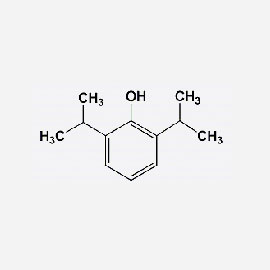

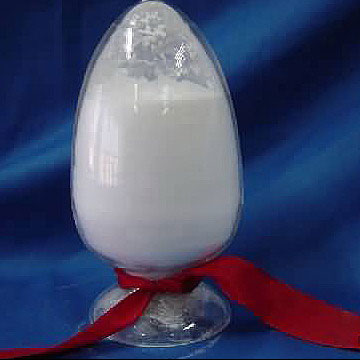
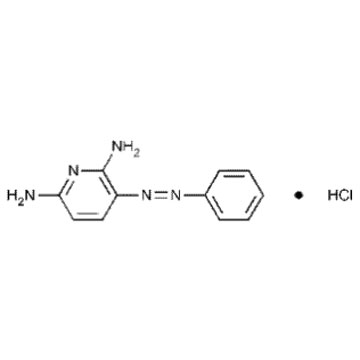



 (All Rights Reserved)