Product Description
Chemical Name:Ranolazine
- CAS No.95635-55-5
- Molecular Formula:C24H33N3O4
- Formula Weight:427.544
Synonyms:1-Piperazineacetamide, N-(2,6-dimethylphenyl)-4-(2-hydroxy-3-(2-methoxyphenoxy)propyl)-;( -)-Ranolazine;Ran4;RS-43285-003;N-(2,6-dimethylphenyl)-2-[4-[2-hydroxy-3-(2-metho
AI Product Description
*The following content is generated by AI and is for reference only.
Ranolazine, identified by CAS No. 95635-55-5, is a potent antianginal agent primarily utilized for the management of chronic angina pectoris. Its molecular formula is C20H25NO4, corresponding to a molecular weight of approximately 343.42 g/mol. The compound functions as a selective inhibitor of the late sodium current (INaL) in cardiac myocytes. By modulating this specific ion channel activity, Ranolazine reduces intracellular calcium overload during diastole, thereby improving myocardial relaxation and reducing wall tension without significantly affecting heart rate or blood pressure. This unique mechanism distinguishes it from traditional beta-blockers, calcium channel blockers, or nitrates, making it an effective add-on therapy for patients who remain symptomatic despite standard treatments.
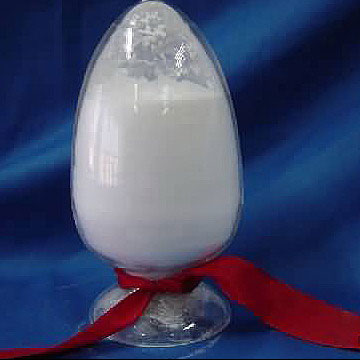
The pharmaceutical industry often sources high-purity Ranolazine powder, frequently marketed with specifications such as "99% up GMP DMF," indicating compliance with Good Manufacturing Practice standards and the availability of a Drug Master File for regulatory submission. Such high-grade raw materials are essential for the formulation of sustained-release tablets, ensuring consistent bioavailability and therapeutic efficacy. The substance appears as a white to off-white crystalline powder, stable under recommended storage conditions. Clinical studies have demonstrated that Ranolazine effectively increases exercise duration and time to onset of ischemia while minimizing adverse effects like hypotension or bradycardia commonly associated with other antianginal drugs. It is particularly valuable for patients with comorbidities where hemodynamic stability is critical.
Global regulatory agencies, including the FDA and EMA, have approved Ranolazine-based formulations for clinical use, underscoring its safety profile and therapeutic value. Manufacturers emphasize rigorous quality control during synthesis to meet stringent purity requirements, typically exceeding 98-99%. The availability of verified DMF documentation facilitates faster approval processes for generic drug developers worldwide. As cardiovascular diseases remain a leading cause of mortality globally, the demand for reliable, high-quality Ranolazine raw materials continues to grow. Researchers continue to explore its potential benefits in other cardiac conditions, though its primary indication remains the relief of chronic angina symptoms, offering improved quality of life for millions of patients suffering from coronary artery disease.






 (All Rights Reserved)