Product Description
99% up by HPLC GMP DMF Mycophenolate Mofetil 128794-94-5
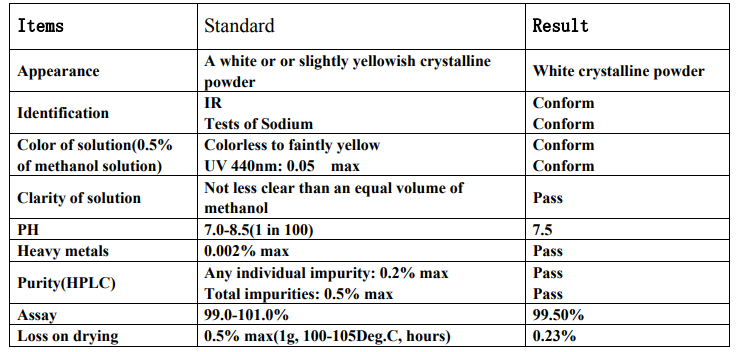

AI Product Description
*The following content is generated by AI and is for reference only.
Mycophenolate Mofetil (MMF), identified by the CAS number 128794-94-5, is a widely utilized immunosuppressive prodrug in modern clinical medicine. Its molecular formula is C₂₃H₂₉NO₇, reflecting its complex structure derived from mycophenolic acid. As a selective and reversible inhibitor of inosine monophosphate dehydrogenase (IMPDH), MMF effectively blocks the de novo synthesis of guanosine nucleotides. This mechanism specifically targets lymphocyte proliferation, as T and B cells rely heavily on this pathway for replication, unlike other cell types that utilize salvage pathways. Consequently, MMF exhibits potent immunosuppressive activity with a favorable safety profile compared to older agents.
In clinical practice, Mycophenolate Mofetil is primarily indicated for the prophylaxis of organ rejection in patients receiving allogeneic renal, cardiac, or hepatic transplants. It is frequently administered in combination with cyclosporine and corticosteroids to maximize graft survival rates. Beyond transplantation, it serves as a critical therapeutic option for various autoimmune disorders, including lupus nephritis, rheumatoid arthritis, and certain forms of vasculitis, where it helps modulate the overactive immune response. The compound is typically supplied in high-purity grades, such as GMP-certified materials suitable for pharmaceutical manufacturing, ensuring consistency and safety for patient use.
The chemical stability and bioavailability of MMF make it an essential component in global drug supply chains. Manufacturers adhere to strict Good Manufacturing Practice (GMP) standards to guarantee product quality, while Drug Master Files (DMF) provide regulatory authorities with comprehensive data on synthesis, purity, and stability. With a molecular weight of approximately 423.49 g/mol, MMF is available in various dosage forms, including tablets and oral suspensions. Its role in preventing acute rejection and managing chronic autoimmune conditions underscores its significance in contemporary healthcare. As research continues, ongoing studies explore its potential in treating new indications, further solidifying its status as a cornerstone therapy in immunology and transplant medicine worldwide.










 (All Rights Reserved)