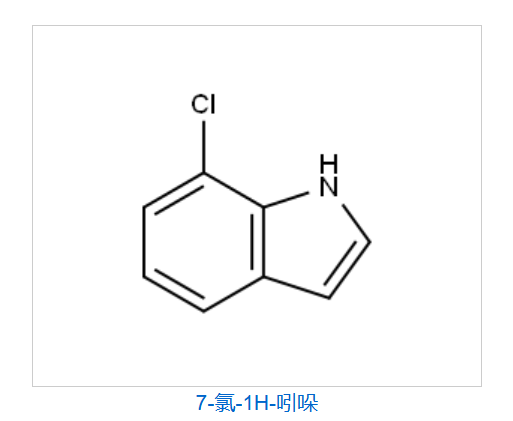
7-氯-1H-吲哚化学性质熔点:55-58°C(lit.)沸点:90-95°C0.25mmHg(lit.)密度:1.1976(roughestimate)折射率:1.5660(estimate)储存条件:Keepindarkplace,Inertatmosphere,Roomtemperature溶Chemicalbook解度:solubleinMethanol酸度系数(pKa):15.42±0.30(Predicted)形态:powdertocrystal颜色:WhitetoLightyellowtoDarkgreenBRN:114743CAS数据库:53924-05-3(CASDataBaseReference)
*The following content is generated by AI and is for reference only.
7-Chloroindole, chemically known as 4-chloro-1H-indole or more accurately 7-chloro-1H-indole depending on nomenclature conventions regarding the indole ring numbering, is a specialized heterocyclic organic compound widely utilized in the fields of medicinal chemistry and agrochemical research. Its molecular formula is C8H6ClN, corresponding to a molecular weight of approximately 153.59 g/mol. The Compound possesses a CAS registry number of 2608-72-8, which serves as its unique identifier for chemical databases and regulatory compliance. Structurally, it consists of a fused benzene and pyrrole ring system with a chlorine atom substituted at the seventh position, imparting distinct electronic and steric properties that differentiate it from unsubstituted indole.
The primary application of 7-chloroindole lies in its role as a critical intermediate in the synthesis of complex pharmaceutical agents. Researchers frequently employ this molecule as a building block to construct biologically active scaffolds, particularly those targeting neurotransmitter systems, anti-inflammatory pathways, and anticancer therapies. The presence of the chloro substituent often enhances metabolic stability and lipophilicity, factors crucial for optimizing drug candidates during lead optimization phases. Furthermore, derivatives of 7-chloroindole are investigated for their potential activity as serotonin receptor modulators, given the structural similarity to endogenous indolealkylamines like serotonin and melatonin.
Beyond human medicine, this compound finds relevance in agricultural science, where indole-based structures are explored for their growth-regulating properties in plants or as precursors for novel pesticide formulations. While not typically used as a standalone commercial product due to its reactivity and specific synthetic utility, high-purity 7-chloroindole is essential for laboratory-scale investigations into structure-activity relationships (SAR). Handling requires standard safety precautions, including protection against skin irritation and inhalation, as with most halogenated aromatic amines. In summary, 7-chloroindole represents a versatile tool for chemists aiming to develop next-generation therapeutic molecules and functional agrochemicals through precise structural modification.


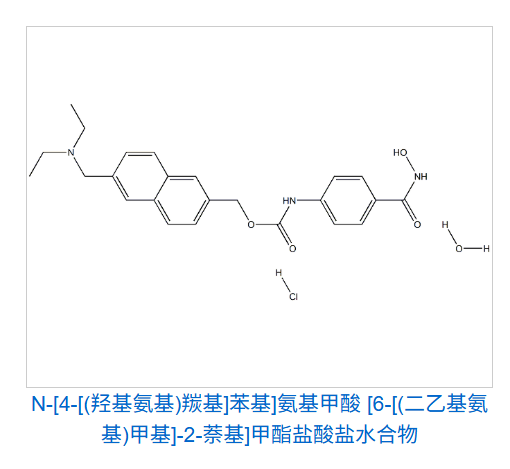
![8,16-Diazadispiro[6.1.6.2]heptadecan-17-one](https://eimg.pharmasources.com/image/product/20250403/ca91cba8b87e53fc879f8d8764873a40jpg)
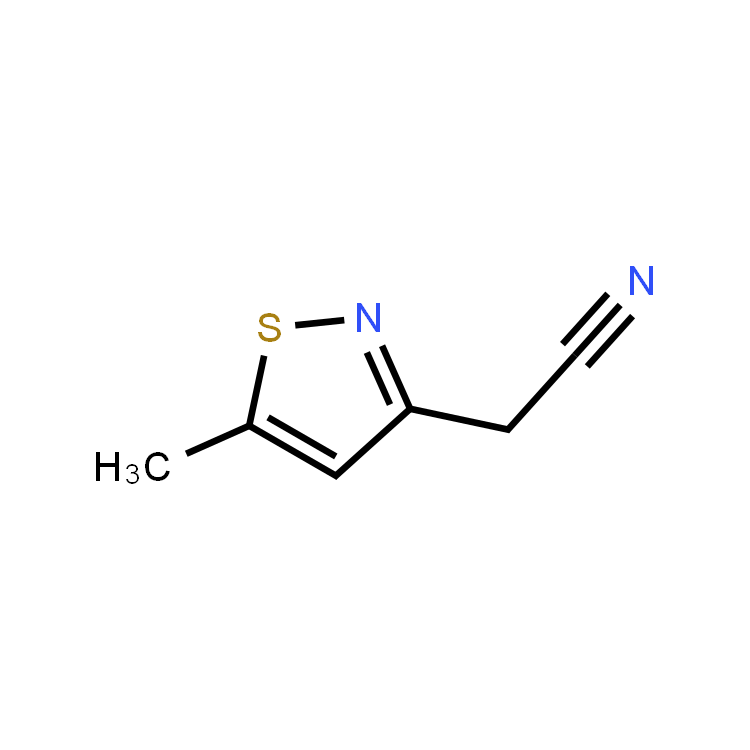
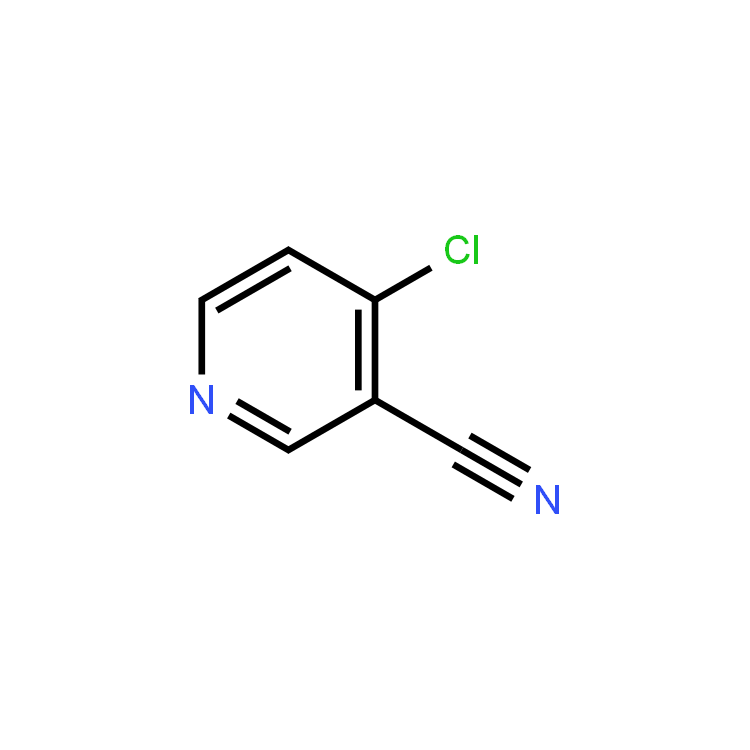
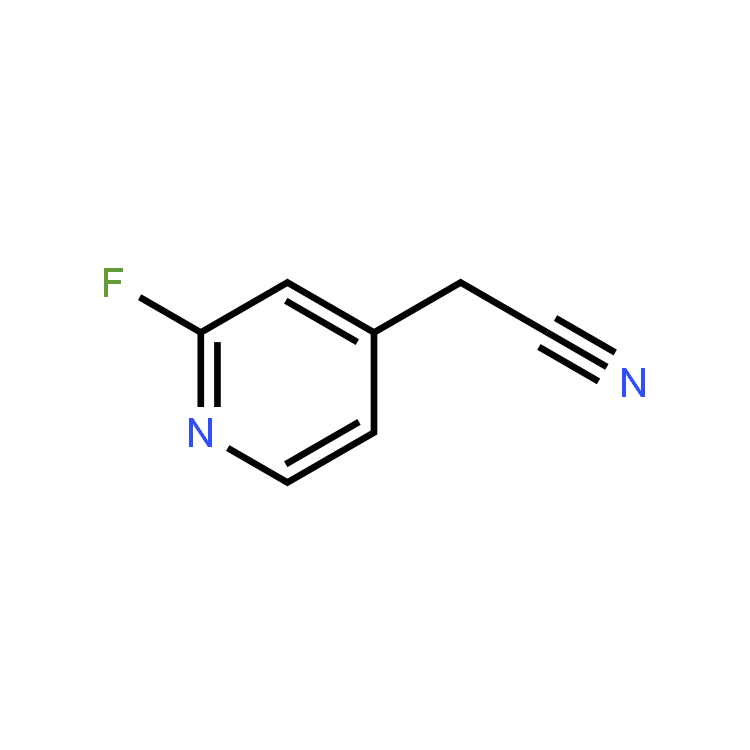
![8-Oxa-1,3-diazaspiro[4.5]decane-2,4-dione](https://eimg.pharmasources.com/image/product/20250403/60fa7223d5a34f24138486ceea0ffb15jpg)
![6,8-Dioxo-5,7-diazaspiro[3.4]octane-2-carboxylic acid](https://eimg.pharmasources.com/image/product/20250403/02effeb5a7639bc84ff1f3add3c0c64fjpg)



 (All Rights Reserved)