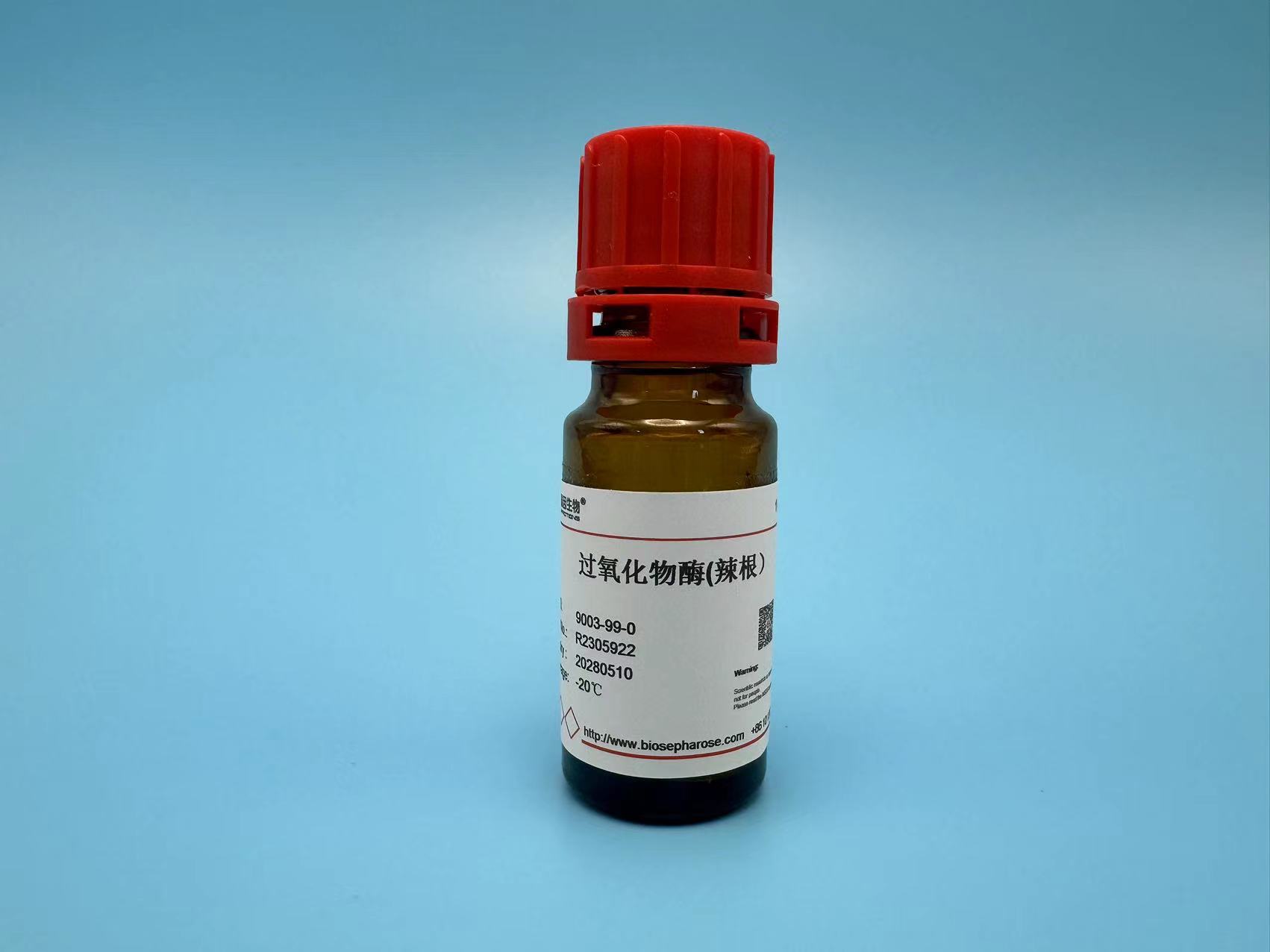
Product Description
Cigna Qingdao is mainly engaged in the intermediates of febuxostatin, ceflothrin, eprazole, flubiprofen, phenalidone, tovaptan, rivaroxaban and Avanafil, terbinafine intermediates, thioacetamide and thiophene and their derivatives.
AI Product Description
*The following content is generated by AI and is for reference only.
5-(2-Ethoxyphenyl)-1-methyl-3-propyl-1,6-dihydro-7H-pyrazolo[4,3-d]-7-pyrimidinone is a sophisticated heterocyclic compound belonging to the pyrazolo[4,3-d]pyrimidine class, a structural motif highly valued in medicinal chemistry for its potent biological activities. While specific commercial catalog listings for this exact substitution pattern may be limited due to its specialized nature, it is structurally analogous to known kinase inhibitors and adenosine receptor antagonists developed for therapeutic research. The molecule features a fused bicyclic core consisting of a pyrazole ring fused to a pyrimidine ring, substituted with a methyl group at the N1 position, a propyl chain at the N3 position, and a 2-ethoxyphenyl moiety attached at the C5 position. This specific arrangement of substituents is designed to optimize lipophilicity and binding affinity within hydrophobic pockets of target proteins, thereby enhancing selectivity and potency.
The primary application of such derivatives lies in preclinical drug discovery, particularly in the development of treatments for oncology, inflammatory diseases, and neurological disorders. Researchers utilize these compounds as chemical probes to investigate signal transduction pathways involving protein kinases or purinergic receptors. The ethoxyphenyl group often contributes to metabolic stability and improved membrane permeability, crucial factors for oral bioavailability in potential pharmaceutical candidates. Although a universally assigned CAS number for this precise isomer might not be listed in major public databases like PubChem without a specific vendor entry, its synthesis typically follows established protocols involving condensation reactions of appropriate hydrazides with activated carbonyl precursors.
In laboratory settings, this compound serves as a critical intermediate or lead structure for structure-activity relationship (SAR) studies. Scientists modify the alkyl chains or aromatic substituents to fine-tune pharmacological properties, aiming to reduce toxicity while maximizing efficacy. Its role extends beyond immediate therapeutic use to foundational research in understanding enzyme inhibition mechanisms. As part of the broader family of nitrogen-rich heterocycles, it exemplifies the complexity and precision required in modern small-molecule design. Future applications may include its integration into high-throughput screening assays to identify novel drug candidates for unmet medical needs, highlighting its significance in advancing chemical biology and pharmacological innovation globally.

![5-(2-Ethoxyphenyl)-1-methyl-3-propyl-1,6-dihydro-7H-pyrazolo[4,3-d]-7-pyrimidinone](https://eimg.pharmasources.com/image/product/20250711/f73e88e8c75c7d68a7aca585329d22fapng)




 (All Rights Reserved)







![5-Hydroxy-3,9-dimethyl-7H-benzo[c]fluoren-7-one](https://eimg.pharmasources.com/image/product/20250919/d01931f02fb1e7e8231c9933d73e3837jpg)
![3-Bromo-5-tert-butylbenzo[b]thiophene](https://eimg.pharmasources.com/image/product/20250919/742a9f6c2521018bdd155a4ef08a8873jpg)



![Ethyl 5-methylbenzo[b]thiophene-2-carboxylate](https://eimg.pharmasources.com/image/product/20250919/bd4b4317408ace91b597157b395c106bjpg)
![3-Iodo-5-tert-butylbenzo[b]thiophene](https://eimg.pharmasources.com/image/product/20250919/370cd976e4b82e45e310eab5fdf6b1f1jpg)