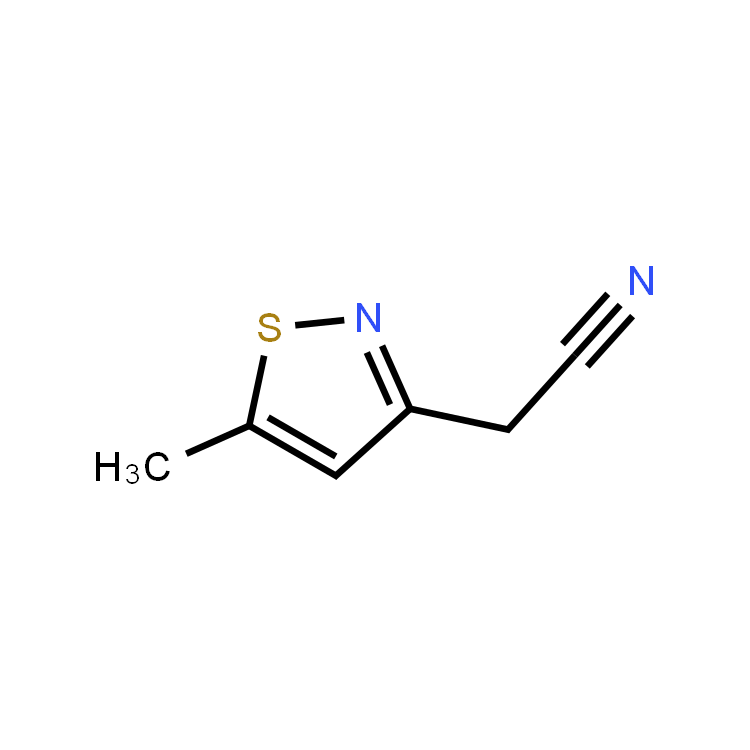
Huateng Pharmaceutical, a global supplier of pharmaceutical intermediates, offers Olmesartan intermediates 4,5-Dimethyl-1,3-dioxol-2-one (CAS No.: 37830-90-3) for your requirements of R&D, evaluation, pilots and commercial along with supportive technical package required for evaluation.
Application: An Olmesartan (O550000) intermediate.
*The following content is generated by AI and is for reference only.
4,5-Dimethyl-1,3-dioxol-2-one is a specialized organic compound belonging to the cyclic carbonate family, widely recognized in industrial chemistry and materials science. With the molecular formula C₅H₈O₃ and a precise molecular weight of approximately 116.11 g/mol, this colorless to pale yellow liquid serves as a versatile intermediate in various synthetic pathways. Its primary CAS Registry Number is 20879-50-5, which facilitates its identification and regulatory compliance across global chemical markets. The molecule features a five-membered ring structure containing two oxygen atoms and a carbonyl group, substituted with methyl groups at the fourth and fifth positions, imparting specific steric and electronic properties that distinguish it from unsubstituted analogs like ethylene carbonate.
The applications of 4,5-dimethyl-1,3-dioxol-2-one are diverse and critical in modern manufacturing sectors. It is extensively utilized as a high-performance solvent for polymerization reactions, particularly in the production of polyurethanes and polyesters, where its ability to dissolve polar monomers while maintaining thermal stability is advantageous. Furthermore, it acts as a crucial electrolyte additive in lithium-ion batteries, enhancing ionic conductivity and improving the stability of the solid-electrolyte interphase (SEI) layer on electrode surfaces. This property makes it increasingly valuable in the rapidly expanding electric vehicle and portable electronics industries. In the pharmaceutical sector, the compound functions as a building block for synthesizing complex heterocyclic drugs and agrochemicals due to its reactivity towards nucleophiles and amines. Additionally, it is employed in the formulation of coatings and adhesives, contributing to improved durability and adhesion properties. Safety protocols dictate handling with care, as it may cause skin irritation upon prolonged contact. Regulatory bodies classify it under standard chemical safety guidelines, requiring appropriate ventilation and personal protective equipment during processing. As demand for advanced functional materials grows, 4,5-dimethyl-1,3-dioxol-2-one remains a pivotal component in optimizing chemical processes and developing next-generation energy storage solutions.





 (All Rights Reserved)

![6,8-Dioxo-5,7-diazaspiro[3.4]octane-2-carboxylic acid](https://eimg.pharmasources.com/image/product/20250403/02effeb5a7639bc84ff1f3add3c0c64fjpg)
![8-Oxa-1,3-diazaspiro[4.5]decane-2,4-dione](https://eimg.pharmasources.com/image/product/20250403/60fa7223d5a34f24138486ceea0ffb15jpg)
![8,16-Diazadispiro[6.1.6.2]heptadecan-17-one](https://eimg.pharmasources.com/image/product/20250403/ca91cba8b87e53fc879f8d8764873a40jpg)