Product Description
5°C沸点:267°C密度:1.062g/mLat25°C(lit.)折射率:1.606-1.608闪点:>230°C储存条件:Keepindarkplace,Inertatmosphere,2-8°C形态:LiquidAfterMelting酸度Chemicalbook系数(pKa):17.36±0.30(Predicted)比重:1.062颜色:Clearyellowtobrown敏感性:LightSensitiveLogP:2.540CAS数据库:16096-32-5(CASDataBaseReference)
AI Product Description
*The following content is generated by AI and is for reference only.
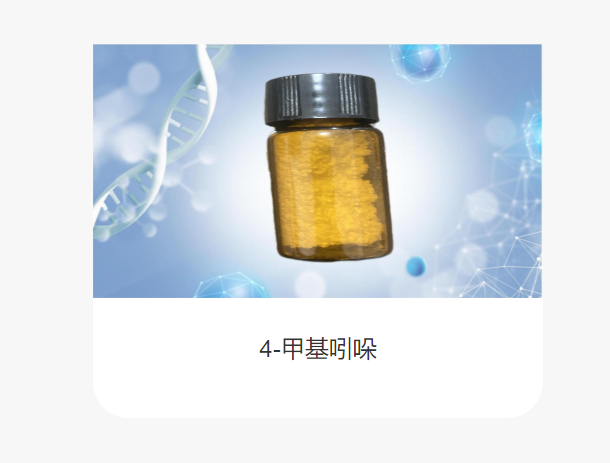
4-Methylindole, chemically known as 4-methyl-1H-indole or 4-methylindol, is a heterocyclic organic compound belonging to the indole family. Its molecular formula is C9H9N, and it carries the CAS registry number 932-08-5. This substance appears as a yellowish to brown liquid with a distinct, often described as unpleasant or fecal odor at high concentrations, though it contributes to complex aromatic profiles in specific natural contexts when highly diluted. Structurally, it consists of a benzene ring fused to a pyrrole ring, with a methyl group attached specifically at the fourth position of the indole skeleton.
In the realm of industrial applications, 4-methylindole serves primarily as a critical intermediate in the synthesis of pharmaceuticals and agrochemicals. It is frequently utilized as a building block for producing various drugs targeting neurological conditions, cardiovascular diseases, and inflammatory disorders. The indole scaffold is ubiquitous in medicinal chemistry due to its structural similarity to essential amino acids like tryptophan and many bioactive alkaloids. Consequently, derivatives of 4-methylindole are explored for their potential therapeutic efficacy in treating depression, anxiety, and certain types of cancer.
Beyond medicine, this compound plays a significant role in the fragrance and flavor industry. While its raw form possesses an intense, animalic scent, it is sometimes employed in minute quantities to enhance the depth and complexity of floral, fruity, or musky perfumes. In nature, 4-methylindole is found in small amounts in coal tar and has been identified in the secretions of certain insects, where it functions as a pheromone or defense mechanism. Researchers also study its metabolic pathways to understand how organisms process indole derivatives. Due to its reactivity and specific functional properties, strict safety protocols are required during handling, as it may be harmful if inhaled or absorbed through the skin. Overall, 4-methylindole remains a versatile and valuable chemical entity bridging the gap between fundamental organic synthesis and advanced biotechnological applications.


![8-Oxa-1,3-diazaspiro[4.5]decane-2,4-dione](https://eimg.pharmasources.com/image/product/20250403/60fa7223d5a34f24138486ceea0ffb15jpg)
![8,16-Diazadispiro[6.1.6.2]heptadecan-17-one](https://eimg.pharmasources.com/image/product/20250403/ca91cba8b87e53fc879f8d8764873a40jpg)
![6,8-Dioxo-5,7-diazaspiro[3.4]octane-2-carboxylic acid](https://eimg.pharmasources.com/image/product/20250403/02effeb5a7639bc84ff1f3add3c0c64fjpg)



 (All Rights Reserved)