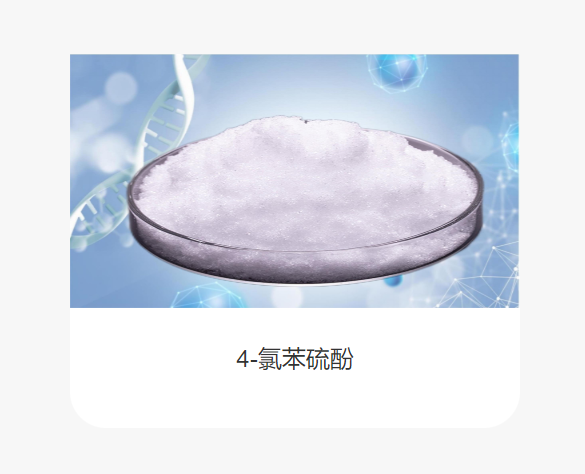
4-氯苯硫酚化学性质熔点:49-51°C(lit.)沸点:205-207°C(lit.)密度:1.1911折射率:1.5480闪点:>230°F储存条件:2-8°C溶解度:methanol:soluble酸度系数(pKa):pK1:5.9(25°C)形态:CrystallineSolid颜色:Whitetoalmostwhite水溶解性:insoluble敏感性:StChemicalbookench/LachrymatoryBRN:605971InChIKey:VZXOZSQDJJNBRC-UHFFFAOYSA-NCAS数据库:106-54-7(CASDataBaseReference)NIST化学物质信息:Benzenethiol,4-chloro-(106-54-7)EPA化学物质信息:Benzenethiol,4-chloro-(106-54-7)
*The following content is generated by AI and is for reference only.
4-Chlorothiophenol, chemically known as 4-chlorobenzenethiol or p-chlorothiophenol, is a versatile aromatic organosulfur compound widely utilized in industrial and pharmaceutical applications. Its molecular formula is C6H5ClS, reflecting the presence of a chlorine atom substituted at the para position of a thiophenol ring. The substance is identified by the CAS number 106-47-8. At standard conditions, it typically appears as a colorless to pale yellow liquid with a distinct, pungent odor characteristic of thiol compounds. Due to its reactive thiol group and halogenated aromatic structure, 4-chlorothiophenol serves as a crucial intermediate in the synthesis of various high-value chemicals.
In the pharmaceutical industry, this compound acts as a key building block for synthesizing heterocyclic systems and biologically active molecules. It is frequently employed in the production of sulfa drugs, antifungal agents, and other therapeutic compounds where the sulfur atom plays a pivotal role in biological interaction mechanisms. Furthermore, 4-chlorothiophenol is extensively used in the agrochemical sector for developing herbicides and pesticides that require specific electronic properties provided by the chloro-thiol moiety. Its reactivity makes it ideal for nucleophilic substitution reactions, allowing chemists to introduce diverse functional groups efficiently.
Beyond medicine and agriculture, this chemical finds significant application in materials science, particularly in the formulation of specialized polymers and corrosion inhibitors. The ability of the thiol group to form strong bonds with metal surfaces enhances its utility in protective coatings. Additionally, researchers utilize 4-chlorothiophenol in organic synthesis to create complex dyes and fluorescent probes due to its electron-withdrawing chlorine substituent which modulates the electronic density of the aromatic ring. Safety protocols are essential when handling this substance, as thiols can be corrosive and possess unpleasant odors; proper ventilation and personal protective equipment are mandatory. Overall, 4-chlorothiophenol remains an indispensable reagent in modern chemical manufacturing, bridging the gap between basic organic chemistry and advanced material innovation across multiple global industries.







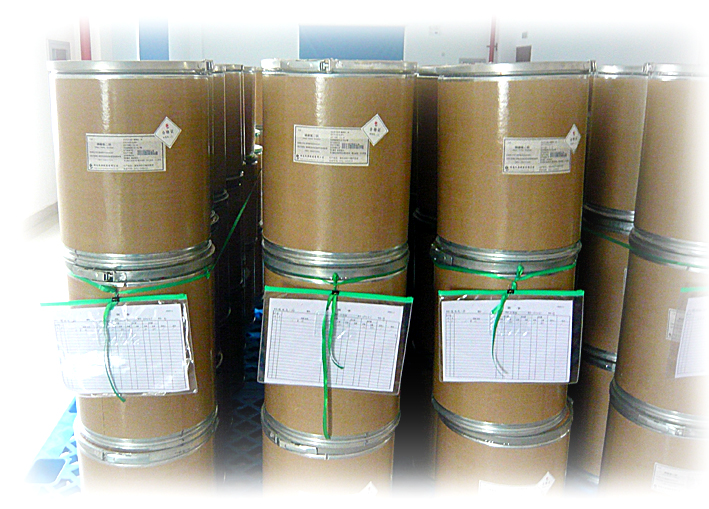




 (All Rights Reserved)