Product Description
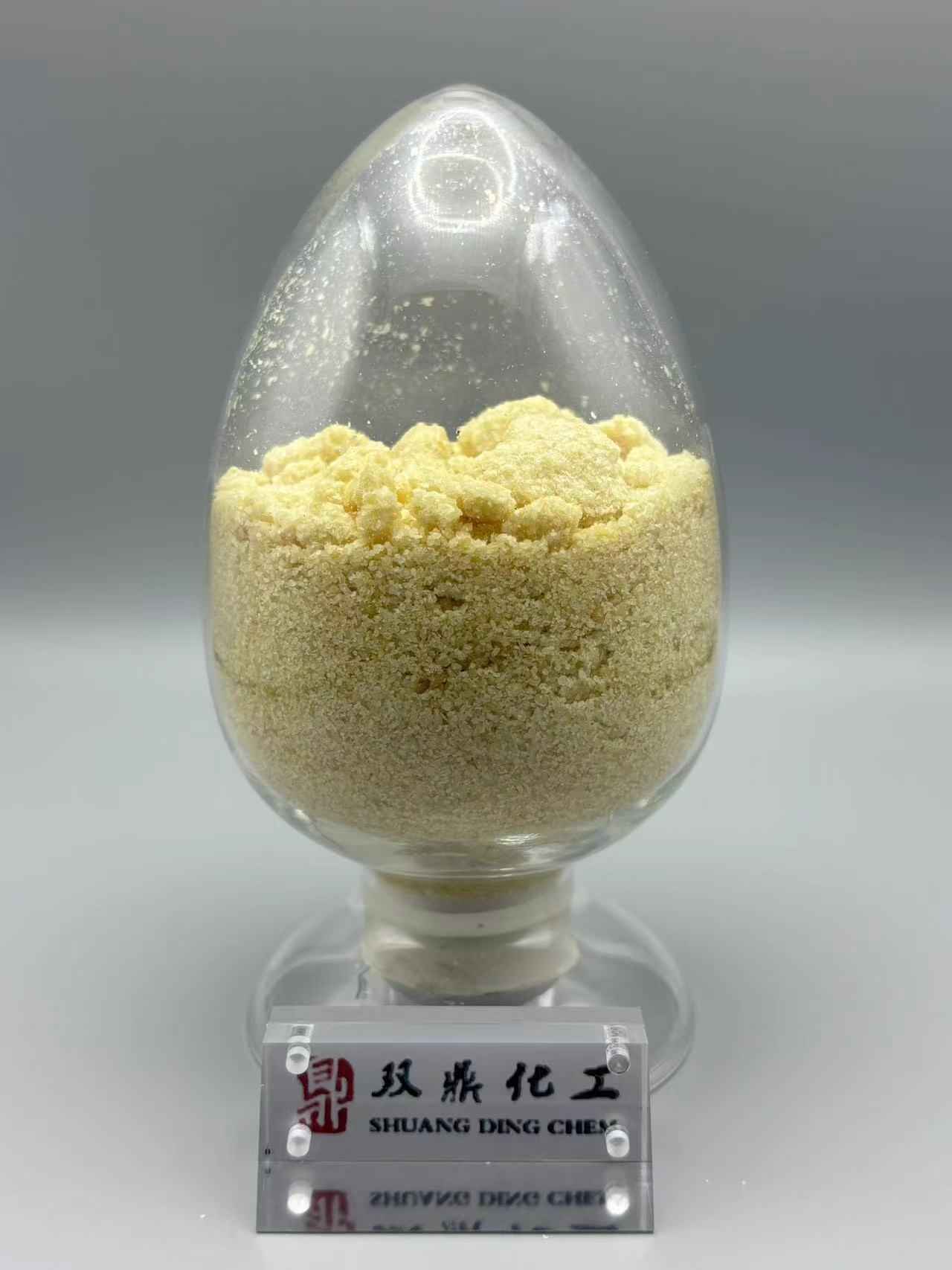
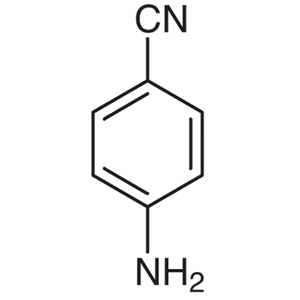
| 对氨基苯甲腈(固体) |
4-Aminobenzonitrile |
| CAS RN |
873-74-5 |
| Purity / Analysis Method |
>99.0%(GC) |
| Molecular Formula / Molecular Weight |
C7H6N2 = 118.14 |
| Physical State (20 deg.C) |
Solid |
| Storage Temperature |
Room Temperature (Recommended in a cool and dark place, <15°C) |
| Appearance |
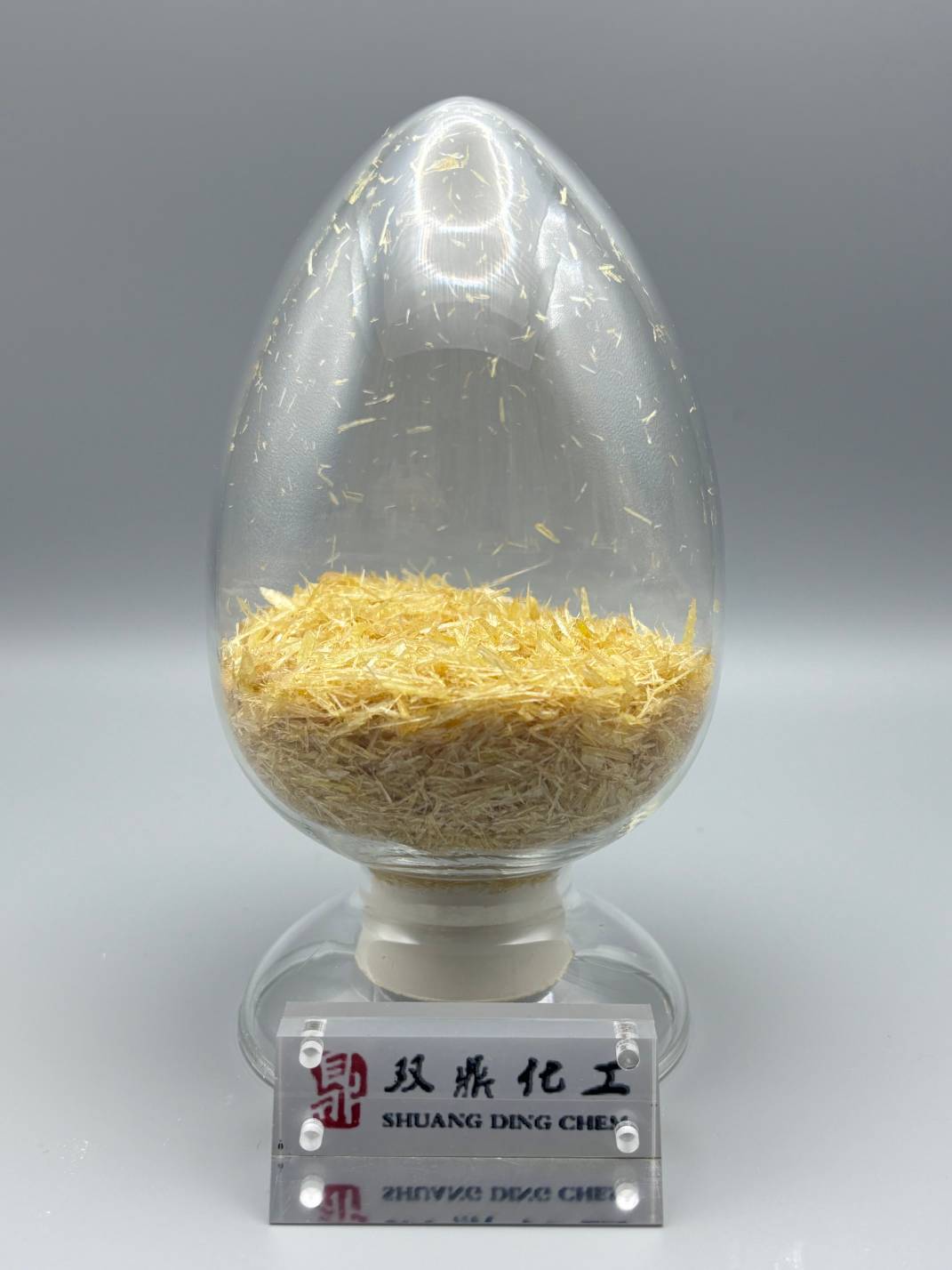
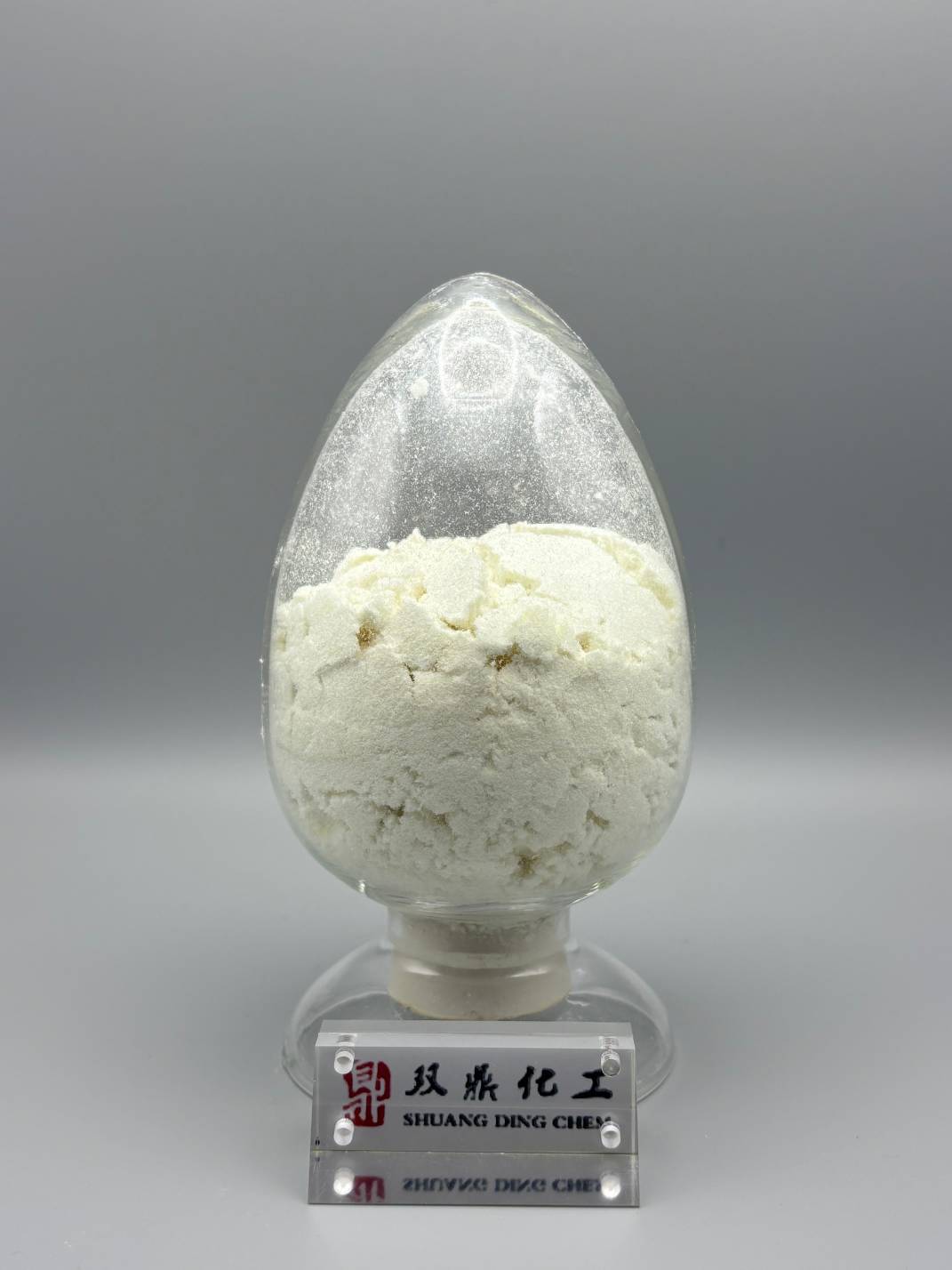
White to Light yellow to Green powder to crystal |
| Melting point |
84.0 to 89.0 °C |
| |
used as a pharmaceutical intermediate. |
AI Product Description
*The following content is generated by AI and is for reference only.
4-Aminobenzonitrile, chemically known as p-aminobenzonitrile, is a vital organic intermediate widely utilized in the pharmaceutical and agrochemical industries. Its molecular formula is C7H6N2, and it carries the CAS Registry Number 105-99-7. This white to off-white crystalline powder features an amino group and a nitrile group positioned para to each other on a benzene ring, conferring unique reactivity suitable for diverse synthetic pathways.
The primary application of 4-aminobenzonitrile lies in the synthesis of heterocyclic compounds, particularly pyridines and quinolines, which serve as core structures for numerous active pharmaceutical ingredients (APIs). It acts as a key precursor in the production of fungicides and herbicides, contributing to agricultural productivity by protecting crops from various pathogens. Furthermore, this compound is instrumental in dye manufacturing, where it facilitates the creation of azo dyes and pigments with vibrant colors and high stability. In the field of material science, it finds use in developing specialized polymers and liquid crystals due to its rigid aromatic structure and functional groups that allow for cross-linking or polymerization reactions.
Safety handling requires standard precautions; while not highly toxic, it should be handled with appropriate personal protective equipment to avoid skin irritation or inhalation of dust. The compound is generally stable under normal storage conditions but may react vigorously with strong oxidizing agents or acids. Global supply chains favor high-purity grades for fine chemical synthesis, ensuring consistency in downstream product performance. As research into novel drug candidates accelerates, the demand for efficient precursors like 4-aminobenzonitrile continues to grow, reinforcing its status as an essential building block in modern chemical manufacturing. Its versatility allows chemists to design complex molecules with precision, making it indispensable for innovation across multiple sectors ranging from medicine to advanced materials engineering.





 (All Rights Reserved)
![5-Hydroxy-3,9-dimethyl-7H-benzo[c]fluoren-7-one](https://eimg.pharmasources.com/image/product/20250919/d01931f02fb1e7e8231c9933d73e3837jpg)
![Ethyl 5-methylbenzo[b]thiophene-2-carboxylate](https://eimg.pharmasources.com/image/product/20250919/bd4b4317408ace91b597157b395c106bjpg)
![3-Bromo-5-tert-butylbenzo[b]thiophene](https://eimg.pharmasources.com/image/product/20250919/742a9f6c2521018bdd155a4ef08a8873jpg)


![3-Iodo-5-tert-butylbenzo[b]thiophene](https://eimg.pharmasources.com/image/product/20250919/370cd976e4b82e45e310eab5fdf6b1f1jpg)