Product Description
pharmaceutical intermediates
AI Product Description
*The following content is generated by AI and is for reference only.
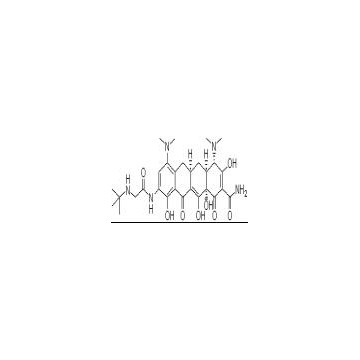
4-Amino-6-(tert-butyl)-3-mercapto-1,2,4-triazin-5(4H)-one is a specialized heterocyclic compound belonging to the class of triazine derivatives. With the molecular formula C7H13N5O and a molecular weight of approximately 195.22 g/mol, this substance features a unique structural arrangement comprising an amino group, a tert-butyl substituent, and a thiol functionality attached to a triazine ring core. The precise CAS Registry Number for this specific chemical entity is 101828-44-8, though users should verify this identifier against authoritative databases prior to procurement due to potential variations in nomenclature or registry updates.
This compound serves primarily as a critical intermediate in the field of organic synthesis and medicinal chemistry. Its structural versatility allows it to function as a building block for constructing more complex pharmaceutical agents, particularly those targeting enzyme inhibition or receptor modulation. The presence of the mercapto (thiol) group often confers specific reactivity profiles, enabling further derivatization through alkylation, acylation, or oxidation reactions to tailor the physicochemical properties of the final drug candidate. Additionally, the tert-butyl group provides steric bulk, which can significantly influence the metabolic stability and bioavailability of downstream products.
In industrial applications, derivatives of this triazine scaffold are investigated for their potential utility in agrochemicals, including herbicides and fungicides, where the heterocyclic nitrogen atoms play a pivotal role in biological activity. Researchers also explore its use in materials science, specifically in the development of coordination polymers or metal-organic frameworks (MOFs), leveraging the nitrogen and sulfur donor sites for chelation. While not yet a widely commercialized commodity chemical, its niche status makes it valuable for academic laboratories and R&D departments focused on novel heterocycle discovery. Handling requires standard laboratory safety protocols, as many amines and thiols can exhibit toxicity or irritant properties. Strict adherence to safety data sheets is essential when manipulating this reagent to ensure personnel safety and experimental integrity.






 (All Rights Reserved)




![4-[[[[6-[(Diethylamino)methyl]-2-naphthalenylmethoxy]carbonyllaminolbenzoic acid](https://eimg.pharmasources.com/image/20241206/xJCFsdgfMrHzqjtgeOixhGQHgVbKi7kAcoEqemzE.jpg)