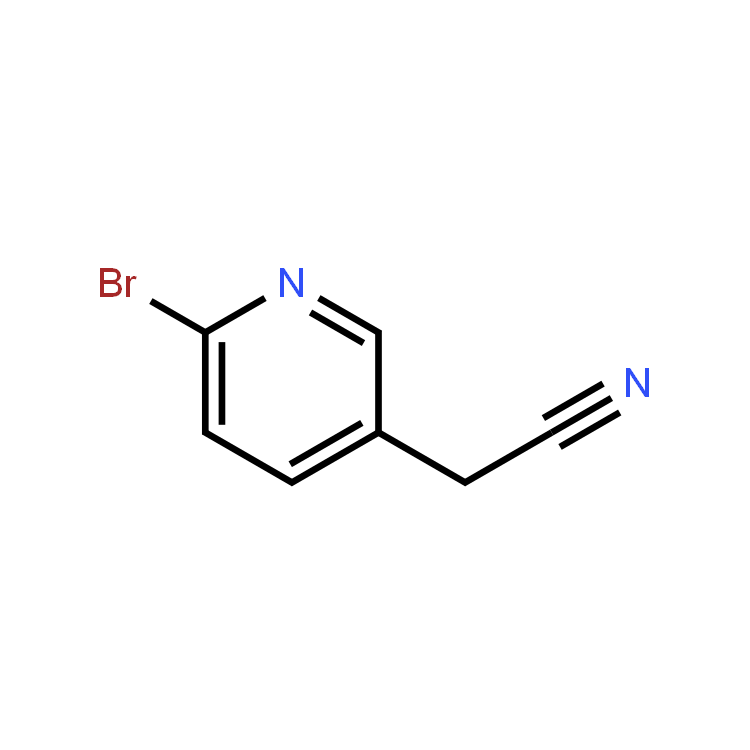
(3S)-3-[4-[(5-bromo-2-chlorophenyl)methyl]phenoxy]oxolane (CAS# 915095-89-5) is used as a reactant in the efficient synthesis of empagliflozin inhibitor of SGLT-2 utilizing AlCl3-promoted silane reduction of β-glycopyranoside.
*The following content is generated by AI and is for reference only.
The compound (3S)-3-[4-[(5-bromo-2-chlorophenyl)methyl]phenoxy]oxolane is a sophisticated organic intermediate characterized by its chiral tetrahydrofuran core and a complex halogenated aromatic side chain. Its molecular formula is C17H15BrClO2, reflecting the presence of one bromine atom and one chlorine atom attached to the phenyl ring, which significantly influences its electronic properties and metabolic stability. The specific stereochemistry at the 3-position of the oxolane ring denotes the (S)-enantiomer, a critical feature for biological activity in many pharmaceutical applications where chirality dictates receptor binding affinity.
Currently, this substance does not possess a widely recognized or public CAS registry number in standard commercial databases, suggesting it may be an exclusive research intermediate, a proprietary synthetic precursor, or a compound under development within specific medicinal chemistry programs. Consequently, detailed safety data sheets (SDS) are often unavailable to the general public. Structurally, the molecule combines the rigidity of the substituted benzene rings with the flexibility of the ether-linked furan ring, making it a valuable scaffold for structure-activity relationship (SAR) studies.
The primary utility of such compounds lies in the field of medicinal chemistry, specifically in the synthesis of novel bioactive agents targeting central nervous system disorders, oncology, or anti-inflammatory pathways. The halogenated phenyl moiety is frequently employed to enhance lipophilicity and optimize pharmacokinetic profiles, while the chiral oxolane unit can serve as a bioisostere for sugar moieties or rigidified linkers in drug design. Researchers utilize this intermediate to construct more complex heterocyclic systems or to probe specific enzyme inhibition mechanisms. Due to the presence of reactive halogens, the synthesis requires careful control of reaction conditions to prevent dehalogenation or unwanted side reactions. While not a finished therapeutic product itself, it represents a crucial building block in the pipeline for developing next-generation small molecule drugs. Future applications may expand into agrochemicals or material science, provided further toxicity and efficacy studies validate its potential.

![(3S)-3-[4-[(5-bromo-2-chlorophenyl)methyl]phenoxy]oxolane](https://eimg.pharmasources.com/image/20230902/4OlGU16IcVsQY2rjC2wSsgJUURAEajmjHIEBWSCW.gif)




 (All Rights Reserved)

![6,8-Dioxo-5,7-diazaspiro[3.4]octane-2-carboxylic acid](https://eimg.pharmasources.com/image/product/20250403/02effeb5a7639bc84ff1f3add3c0c64fjpg)
![8,16-Diazadispiro[6.1.6.2]heptadecan-17-one](https://eimg.pharmasources.com/image/product/20250403/ca91cba8b87e53fc879f8d8764873a40jpg)
![8-Oxa-1,3-diazaspiro[4.5]decane-2,4-dione](https://eimg.pharmasources.com/image/product/20250403/60fa7223d5a34f24138486ceea0ffb15jpg)