Product Description
| 3,5-二氯苯甲腈(固体) |
3,5-Dichlorobenzonitrile |
| CAS RN |
6575-00-4 |
| Purity / Analysis Method |
>99.0%(GC) |
| Molecular Formula / Molecular Weight |
C7H3Cl2N = 172.01 |
| Physical State (20 deg.C) |
Solid |
| Storage Temperature |
Room Temperature (Recommended in a cool and dark place, <15°C) |
| Appearance |
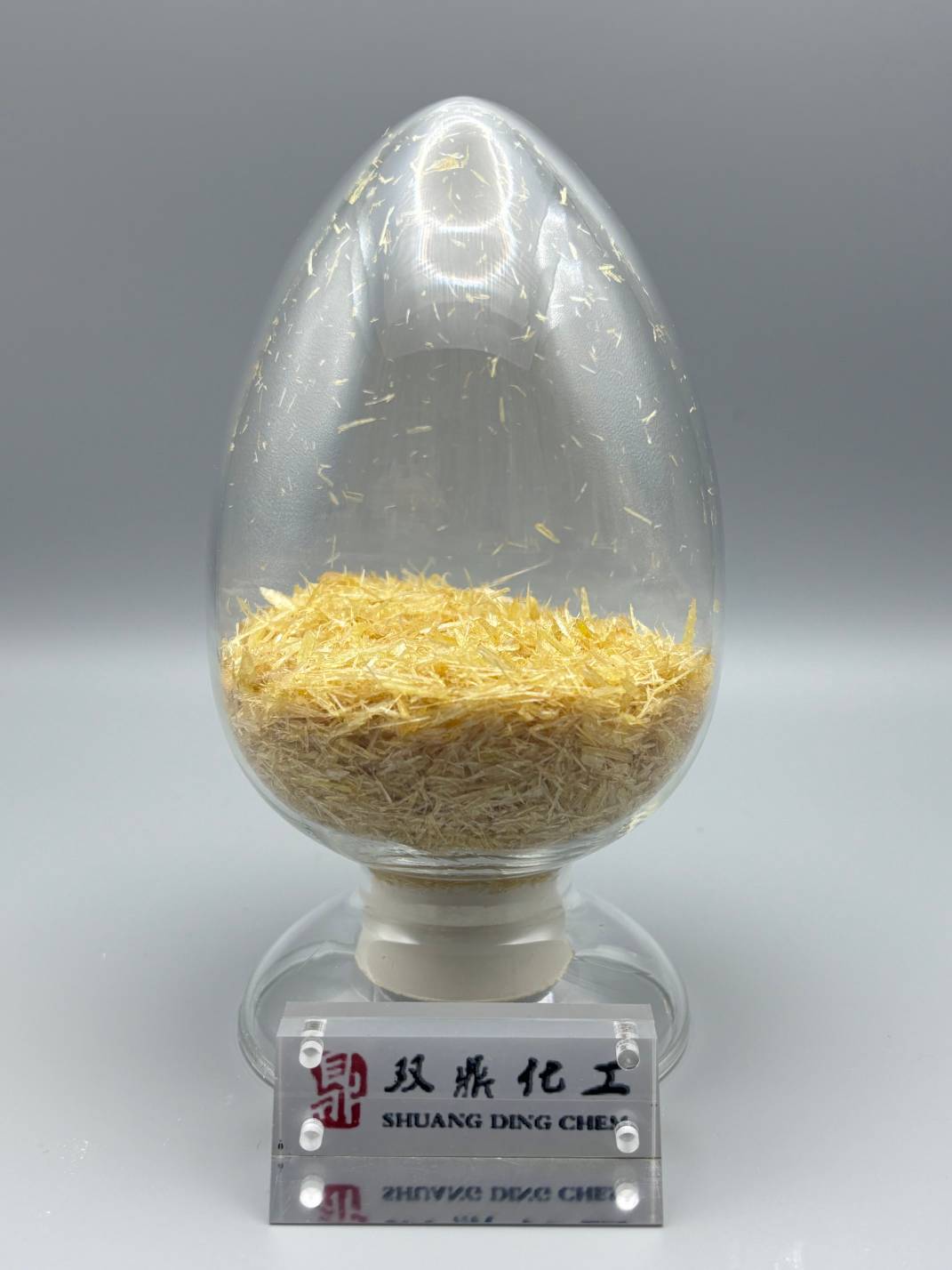
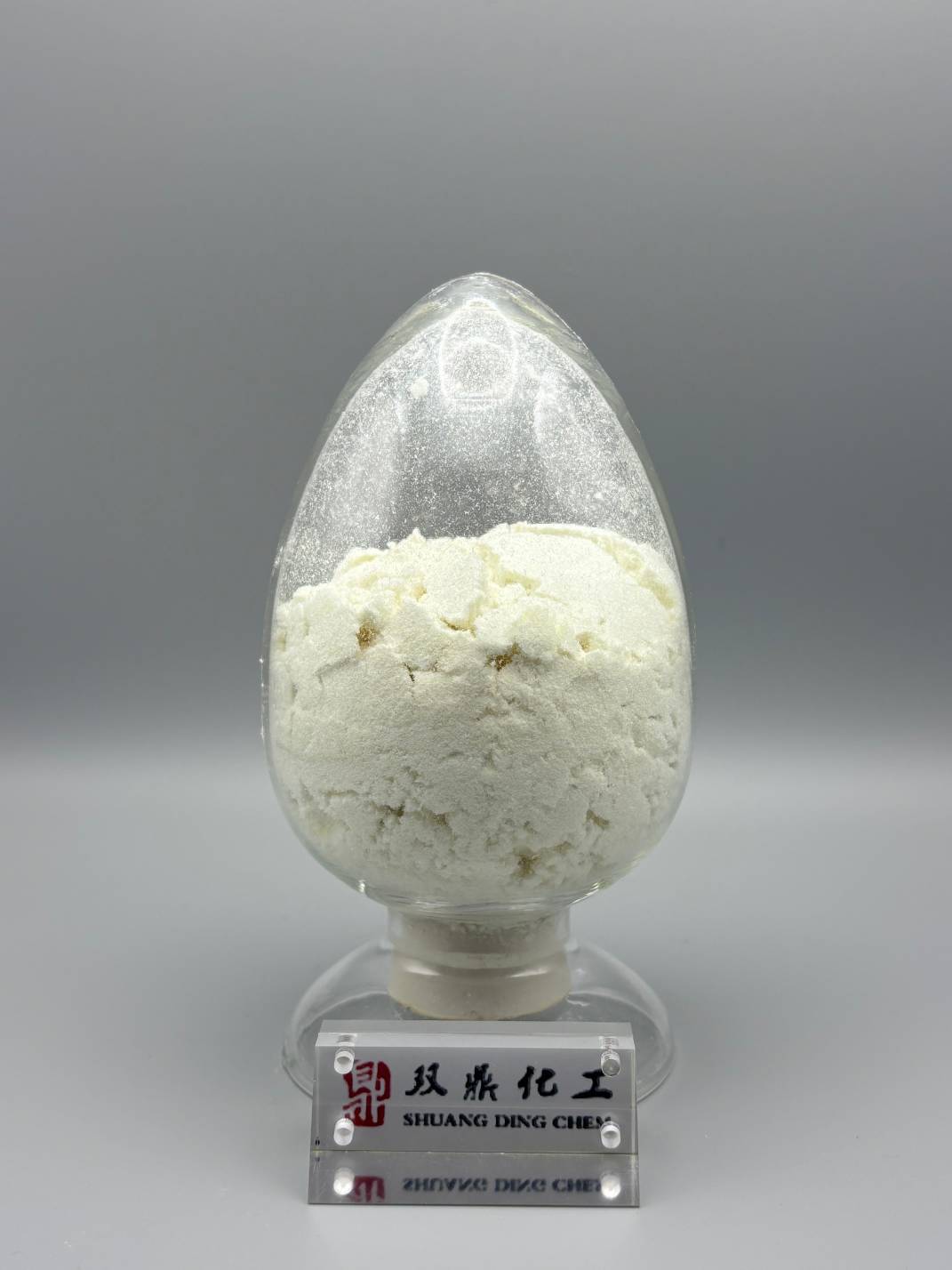
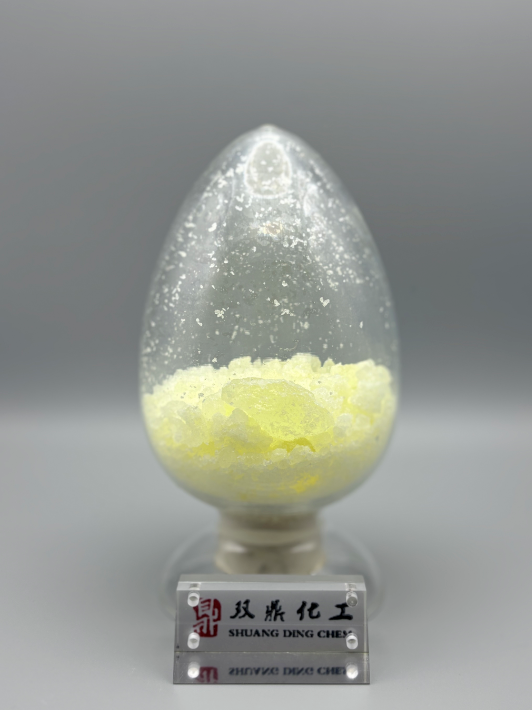
White to Almost white powder to crystal |
| Melting point |
66.0 to 69.0 °C |
AI Product Description
*The following content is generated by AI and is for reference only.
3,5-Dichlorobenzonitrile is a vital organic intermediate widely utilized in the pharmaceutical and agrochemical industries. With the molecular formula C7H3Cl2N and a CAS Registry Number of 104-85-6, this compound features a benzene ring substituted with two chlorine atoms at the meta positions (3 and 5) and a nitrile group. The presence of these electron-withdrawing groups significantly influences its reactivity, making it an excellent precursor for synthesizing complex heterocyclic structures and biologically active molecules.
In the pharmaceutical sector, 3,5-dichlorobenzonitrile serves as a key building block for developing novel drug candidates. It is frequently employed in the synthesis of kinase inhibitors, anti-inflammatory agents, and other therapeutic compounds targeting specific disease pathways. The unique substitution pattern allows chemists to construct diverse scaffolds that enhance binding affinity and metabolic stability within biological systems. Furthermore, its derivatives are often investigated for their potential in treating cancer and infectious diseases, contributing to ongoing research efforts in medicinal chemistry.
Beyond medicine, this chemical plays a crucial role in the agrochemical industry. It is used as an intermediate in the production of various herbicides, fungicides, and insecticides. The chlorinated aromatic structure provides desirable properties such as persistence and efficacy against target pests, while the nitrile group offers versatility for further chemical modification. Manufacturers leverage its reactivity to create compounds that protect crops from damage, thereby supporting global food security. Additionally, 3,5-dichlorobenzonitrile finds applications in material science, where it contributes to the development of advanced polymers and functional materials with specialized electronic or optical properties.
Handling this substance requires adherence to safety protocols due to its potential toxicity and environmental impact. Proper storage and disposal procedures are essential to prevent contamination. Overall, 3,5-dichlorobenzonitrile remains an indispensable component in modern chemical synthesis, bridging the gap between fundamental research and industrial application across multiple high-value sectors. Its continued demand underscores its importance in advancing scientific innovation and commercial product development worldwide.






 (All Rights Reserved)




![3-Iodo-5-tert-butylbenzo[b]thiophene](https://eimg.pharmasources.com/image/product/20250919/370cd976e4b82e45e310eab5fdf6b1f1jpg)
![Ethyl 5-methylbenzo[b]thiophene-2-carboxylate](https://eimg.pharmasources.com/image/product/20250919/bd4b4317408ace91b597157b395c106bjpg)




![3-Bromo-5-tert-butylbenzo[b]thiophene](https://eimg.pharmasources.com/image/product/20250919/742a9f6c2521018bdd155a4ef08a8873jpg)
![5-Hydroxy-3,9-dimethyl-7H-benzo[c]fluoren-7-one](https://eimg.pharmasources.com/image/product/20250919/d01931f02fb1e7e8231c9933d73e3837jpg)
