Product Description
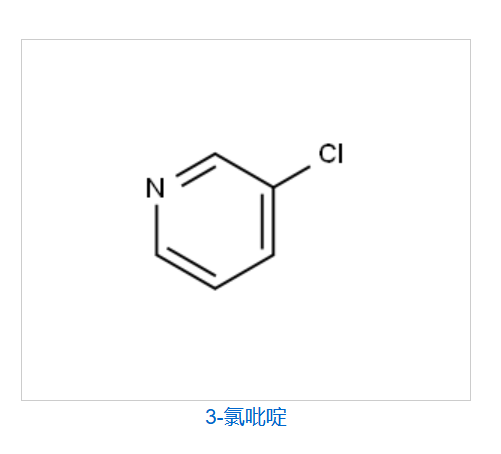
3-氯吡啶化学性质熔点:135°C沸点:148°C(lit.)密度:1.194g/mLat25°C(lit.)折射率:n20/D1.533(lit.)闪点:150°F储存条件:Inertatmosphere,RoomTemperature溶解度:10g/l酸度系数(pChemicalbookKa):2.84(at25℃)形态:Liquid颜色:ClearcolorlesstoyellowPH值:>7(H2O,20℃)水溶解性:Solubleinwater10g/L.BRN:105744InChIKey:PWRBCZZQRRPXAB-UHFFFAOYSA-N
AI Product Description
*The following content is generated by AI and is for reference only.
3-Chloropyridine is a vital heterocyclic organic compound widely utilized in the pharmaceutical, agrochemical, and materials science industries. Chemically designated as 3-chloropyridine, its molecular formula is C5H4ClN, reflecting a pyridine ring substituted with a chlorine atom at the third position. The substance carries the CAS registry number 108-67-2 and typically appears as a colorless to pale yellow liquid with a characteristic pyridine-like odor. Its boiling point ranges approximately between 130°C and 132°C, while its density is slightly higher than water, making it soluble in common organic solvents but only sparingly soluble in cold water.
In industrial applications, 3-chloropyridine serves primarily as a key intermediate for synthesizing complex nitrogen-containing heterocycles. It is extensively employed in the production of various pharmaceutical agents, including anti-inflammatory drugs, antiviral compounds, and anticancer therapies. The presence of the reactive chlorine atom allows for versatile nucleophilic substitution reactions, enabling chemists to attach diverse functional groups such as amines, alcohols, or thiols to construct advanced molecular architectures. Furthermore, this compound plays a significant role in the development of novel agrochemicals, particularly herbicides and fungicides, where its structural integrity contributes to biological activity against specific pests and plant pathogens.
Beyond medicine and agriculture, 3-chloropyridine finds utility in the synthesis of specialized dyes, fluorescent probes, and ligands for coordination chemistry. Its ability to act as a building block for metal complexes makes it valuable in catalysis research and the creation of functional materials with unique electronic properties. Safety protocols during handling are essential due to its potential toxicity and irritant nature; proper ventilation and personal protective equipment are mandatory to prevent inhalation or skin contact. As global demand for high-performance chemicals grows, 3-chloropyridine remains an indispensable reagent in modern chemical manufacturing, bridging fundamental organic synthesis with practical industrial solutions across multiple sectors. Its stability and reactivity profile ensure continued relevance in advancing scientific innovation and commercial product development worldwide.


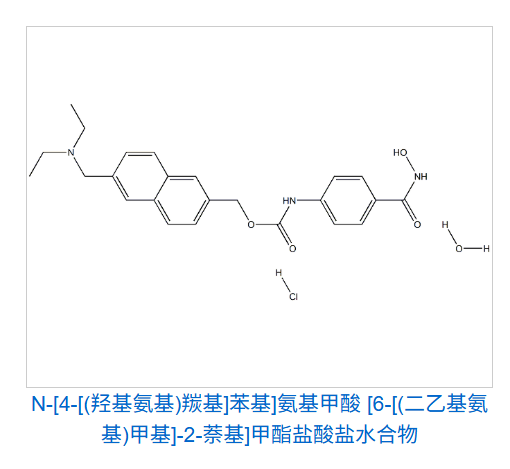
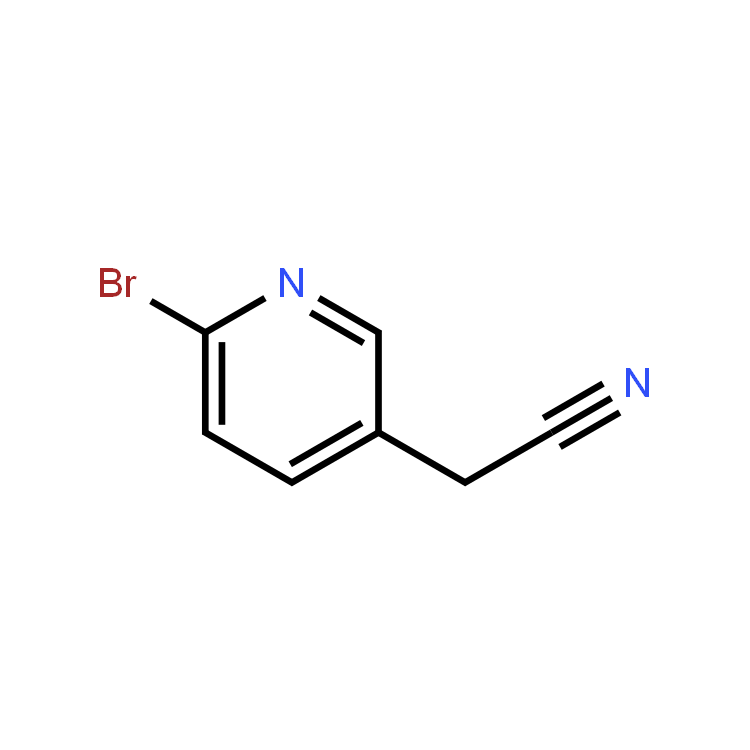
![8,16-Diazadispiro[6.1.6.2]heptadecan-17-one](https://eimg.pharmasources.com/image/product/20250403/ca91cba8b87e53fc879f8d8764873a40jpg)
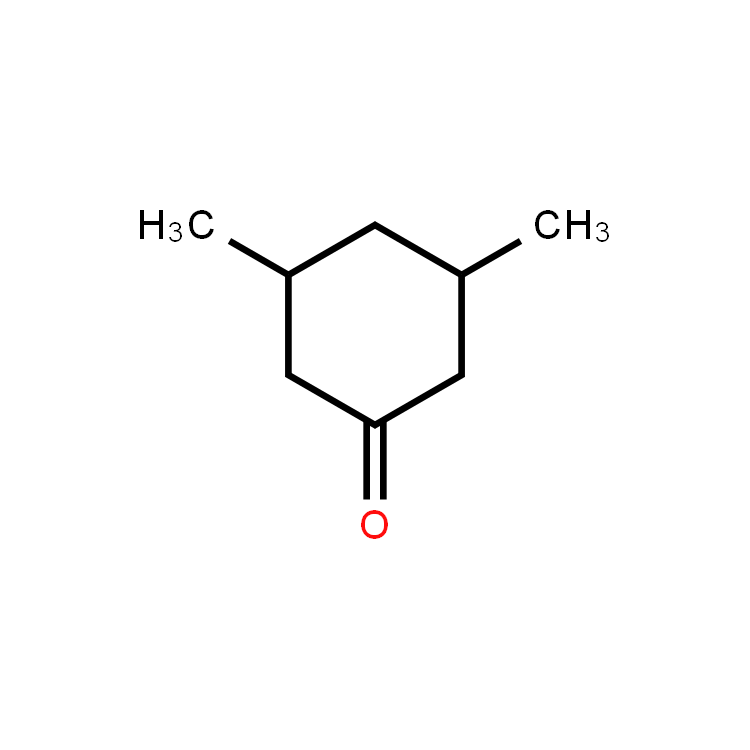
![8-Oxa-1,3-diazaspiro[4.5]decane-2,4-dione](https://eimg.pharmasources.com/image/product/20250403/60fa7223d5a34f24138486ceea0ffb15jpg)
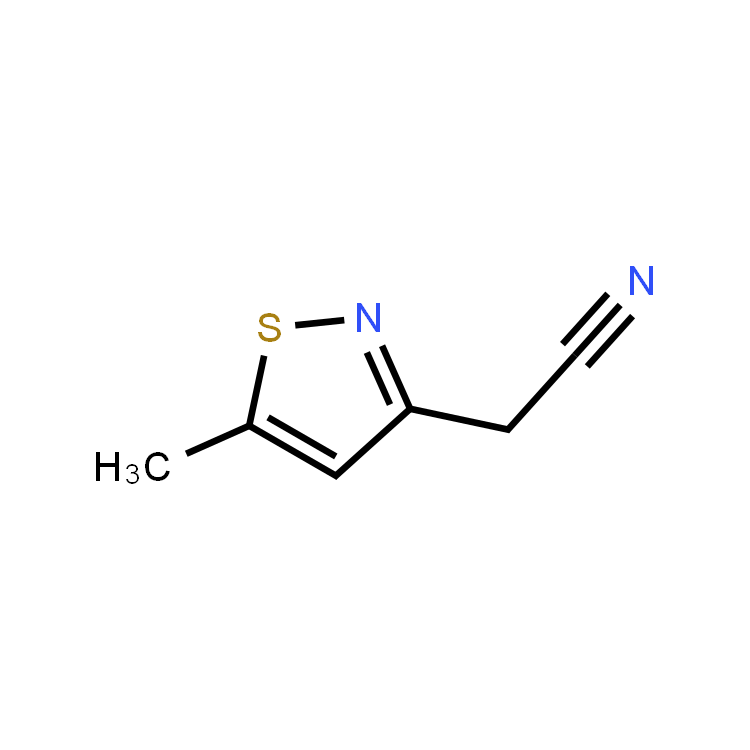
![6,8-Dioxo-5,7-diazaspiro[3.4]octane-2-carboxylic acid](https://eimg.pharmasources.com/image/product/20250403/02effeb5a7639bc84ff1f3add3c0c64fjpg)



 (All Rights Reserved)