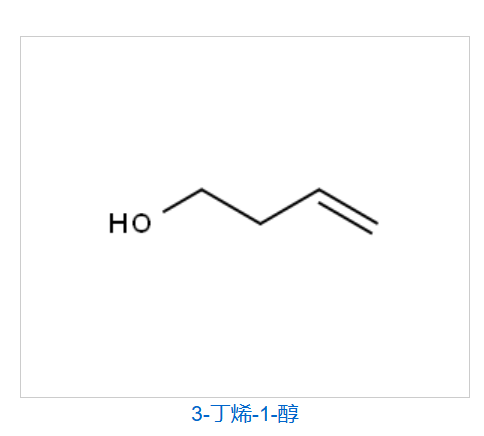
3-丁烯-1-醇化学性质熔点:-31.44°C(estimate)沸点:112-114°C(lit.)密度:0.838g/mLat25°C(lit.)折射率:n20/D1.421(lit.)闪点:90°F储存条件:Sealedindry,StoreChemicalbookinfreezer,under-20°C溶解度:solubleinChloroform,Methanol酸度系数(pKa):15.04±0.10(Predicted)形态:Liquid颜色:Clearcolorlesstoslightlyyellow
*The following content is generated by AI and is for reference only.
3-Buten-1-ol, chemically known as 3-buten-1-ol or vinylcarbinol, is a versatile organic compound widely utilized in industrial chemistry and synthetic research. Its molecular formula is C4H8O, reflecting a structure that combines a primary alcohol group with a terminal vinyl double bond. The compound is identified by the CAS number 25697-02-3, which serves as its unique registry for safety data sheets, regulatory compliance, and inventory management across global supply chains. Physically, 3-buten-1-ol typically appears as a clear, colorless liquid with a mild, slightly sweet odor. It exhibits moderate solubility in water while being fully miscible with most common organic solvents, making it an excellent medium for various chemical reactions.
The primary application of 3-buten-1-ol lies in its role as a crucial intermediate in the synthesis of complex organic molecules. Due to the presence of both the hydroxyl and alkene functionalities, it acts as a bifunctional building block. Chemists frequently employ it in polymerization processes to create specialized resins and coatings with enhanced flexibility and durability. Furthermore, it serves as a precursor in the pharmaceutical industry, aiding in the construction of specific drug scaffolds and bioactive compounds where precise stereochemistry is required. In the realm of agrochemicals, derivatives of this alcohol contribute to the development of novel pesticides and herbicides.
Safety protocols are essential when handling this substance. While not classified as highly toxic, it is flammable and can cause irritation to the skin and eyes upon direct contact. Proper ventilation and personal protective equipment are mandatory during storage and usage to prevent accidental exposure or fire hazards. Its reactivity with strong oxidizing agents necessitates careful segregation from incompatible materials in laboratory and industrial settings. As a fundamental component in fine chemical manufacturing, 3-buten-1-ol continues to support innovation in material science and medicinal chemistry, bridging the gap between simple feedstocks and high-value finished products. Its unique structural properties ensure its enduring relevance in diverse chemical sectors worldwide.


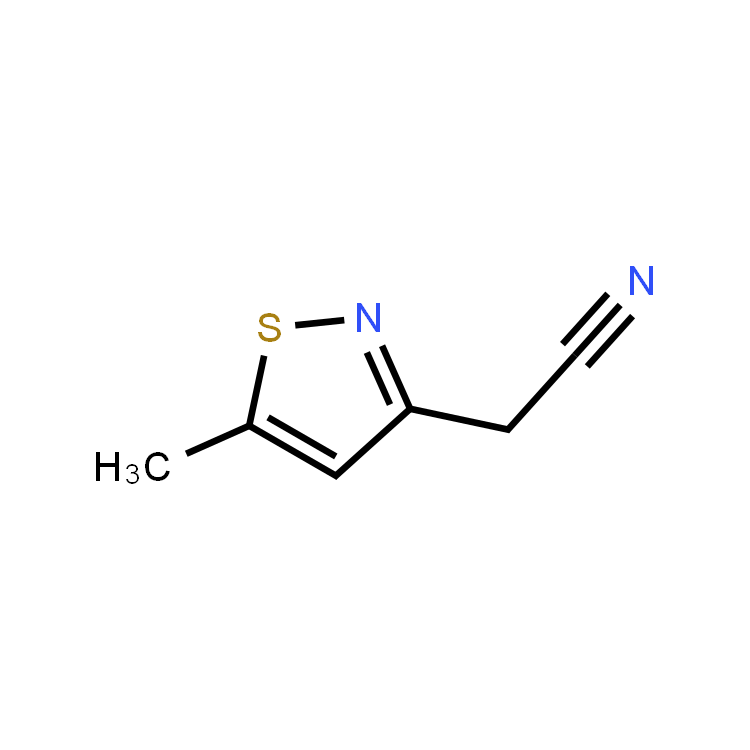
![8,16-Diazadispiro[6.1.6.2]heptadecan-17-one](https://eimg.pharmasources.com/image/product/20250403/ca91cba8b87e53fc879f8d8764873a40jpg)
![6,8-Dioxo-5,7-diazaspiro[3.4]octane-2-carboxylic acid](https://eimg.pharmasources.com/image/product/20250403/02effeb5a7639bc84ff1f3add3c0c64fjpg)
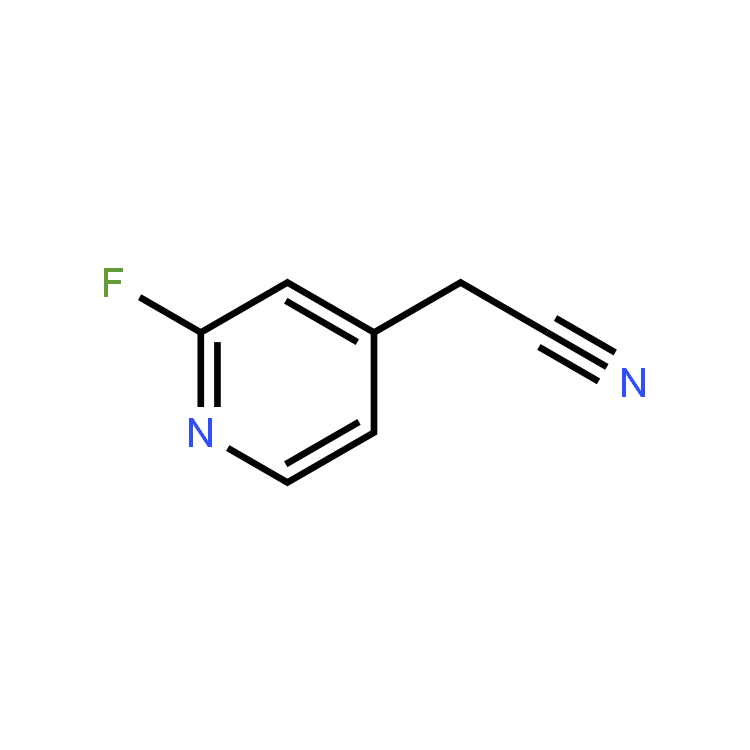
![8-Oxa-1,3-diazaspiro[4.5]decane-2,4-dione](https://eimg.pharmasources.com/image/product/20250403/60fa7223d5a34f24138486ceea0ffb15jpg)



 (All Rights Reserved)