3- [3- (cholestamidopropyl) dimethylamino] propanesulfonic acid hydrate properties melting point 157 ° C (dec.) (lit.) storage conditions room temperature solubility H2O: soluble, 0 Chemicalbook. 1M, transparent, colorless solid color white to off white biological source bovinebile water solubility water: 50mg/mL, clear,colorless
*The following content is generated by AI and is for reference only.
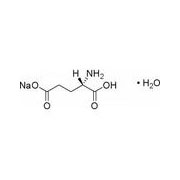
3-[(3-Cholamidopropyl)dimethylammonio]-1-propanesulfonate hydrate, commonly known by its acronym CHAPS, is a widely utilized zwitterionic detergent renowned for its unique ability to solubilize membrane proteins while preserving their native biological activity. With a molecular formula of C32H56N2O7S and a CAS registry number of 19084-57-6, this compound features a hydrophobic cholate steroid backbone linked to a hydrophilic sulfobetaine head group via a propyl spacer. The presence of the hydrate form indicates that water molecules are integrated into the crystal lattice, which is typical for many polar surfactants.
The primary application of CHAPS lies in biochemistry and proteomics, where it serves as an essential tool for the extraction and purification of integral membrane proteins from lipid bilayers. Unlike harsh ionic detergents such as SDS or non-ionic detergents like Triton X-100, CHAPS offers a balanced amphiphilic character that effectively disrupts protein-lipid interactions without denaturing the target proteins. This property makes it indispensable for techniques requiring functional protein integrity, including enzyme assays, ligand binding studies, and structural biology research involving X-ray crystallography or NMR spectroscopy. Furthermore, CHAPS is frequently employed in two-dimensional gel electrophoresis (2D-PAGE) as a first-dimension solubilizing agent, often combined with urea to achieve high-resolution separation of complex protein mixtures. Its critical micelle concentration (CMC) is relatively low, allowing for efficient micelle formation at low concentrations, which aids in reducing background noise during downstream analytical procedures. The high purity grade of 98% ensures minimal contamination, making it suitable for sensitive experimental setups where trace impurities could interfere with results. Due to its mild nature and compatibility with various buffer systems, CHAPS remains a standard reagent in laboratories worldwide dedicated to understanding cellular mechanisms and developing therapeutic agents targeting membrane-bound receptors.

![3-[(3-CholaMidopropyl)diMethylaMMonio]-1-propanesulfonate hydrate 98%](https://eimg.pharmasources.com/image/20250124/laH9ofnqJk2GayCAXq0Bs7pc7goqiGkwdXsooGEu.png)








 (All Rights Reserved)