Product Description
General & Use
FR-245 is a bromine, nitrogen containing compound of the highly efficient flame retardant. Mainly used in flame retardant of ABS, PC / ABS, PS, HIPS, PC, PBT, PET, PE, PVC and other areas.
Typical Properties
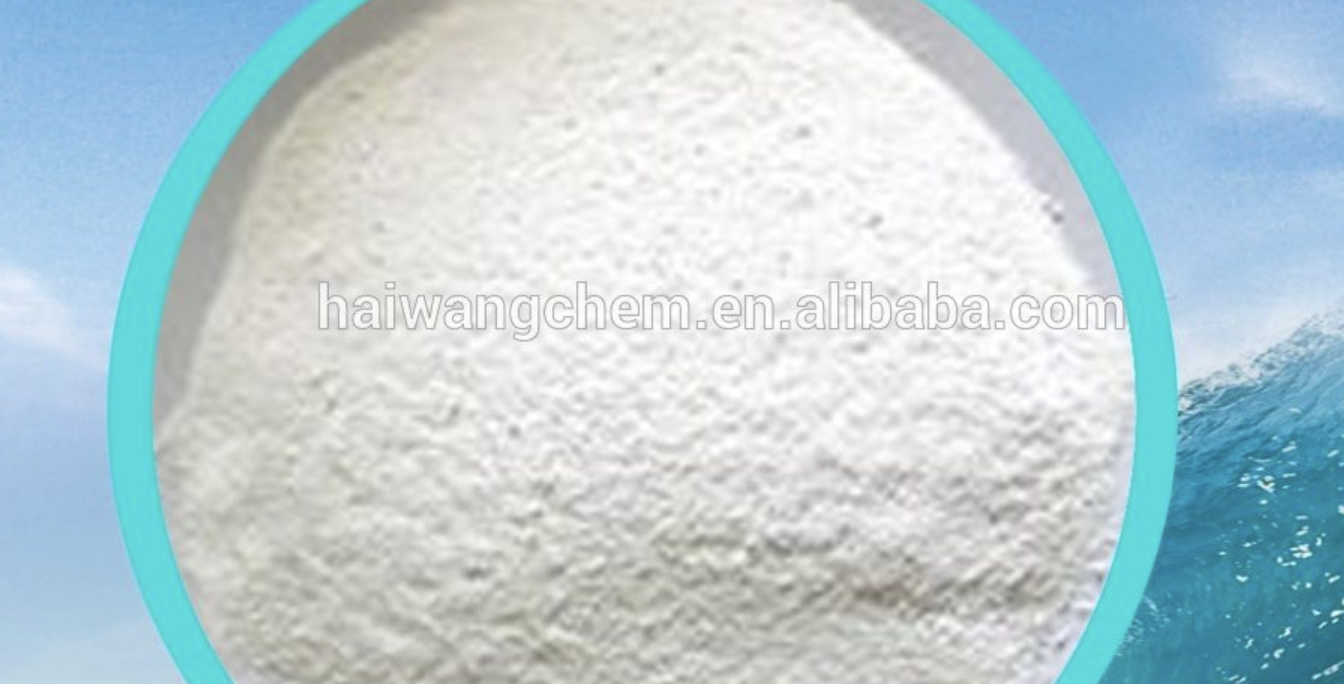
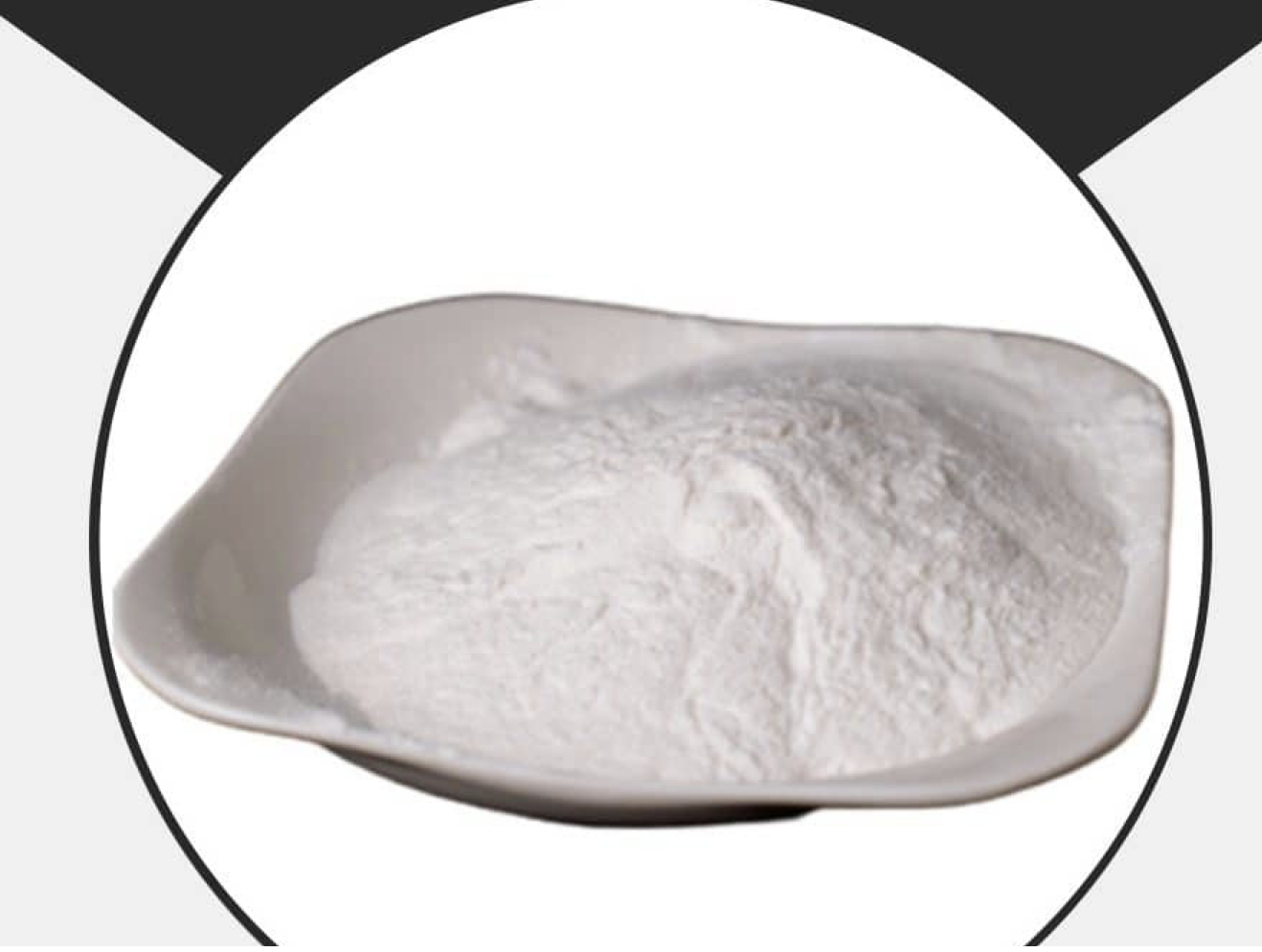
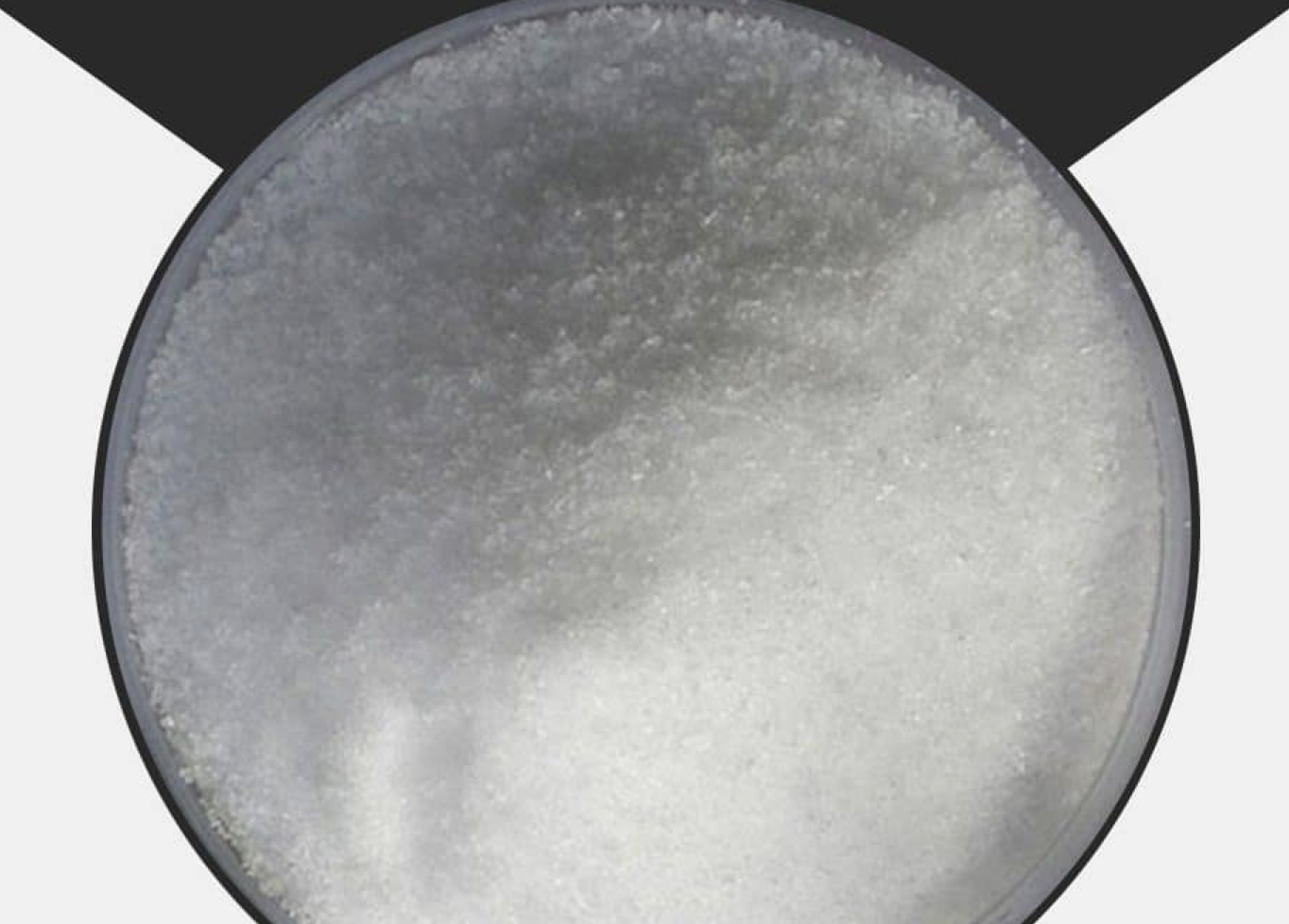
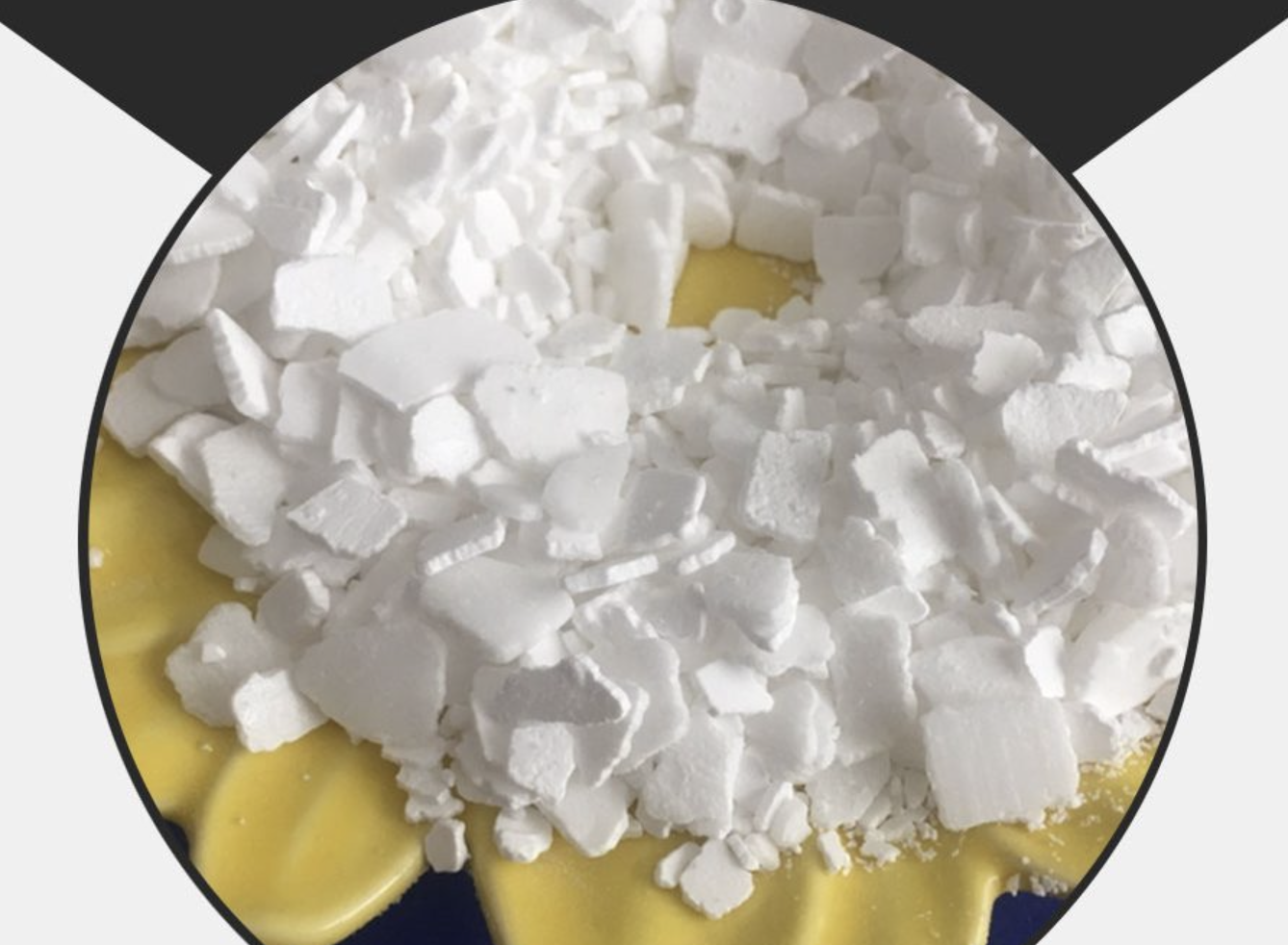
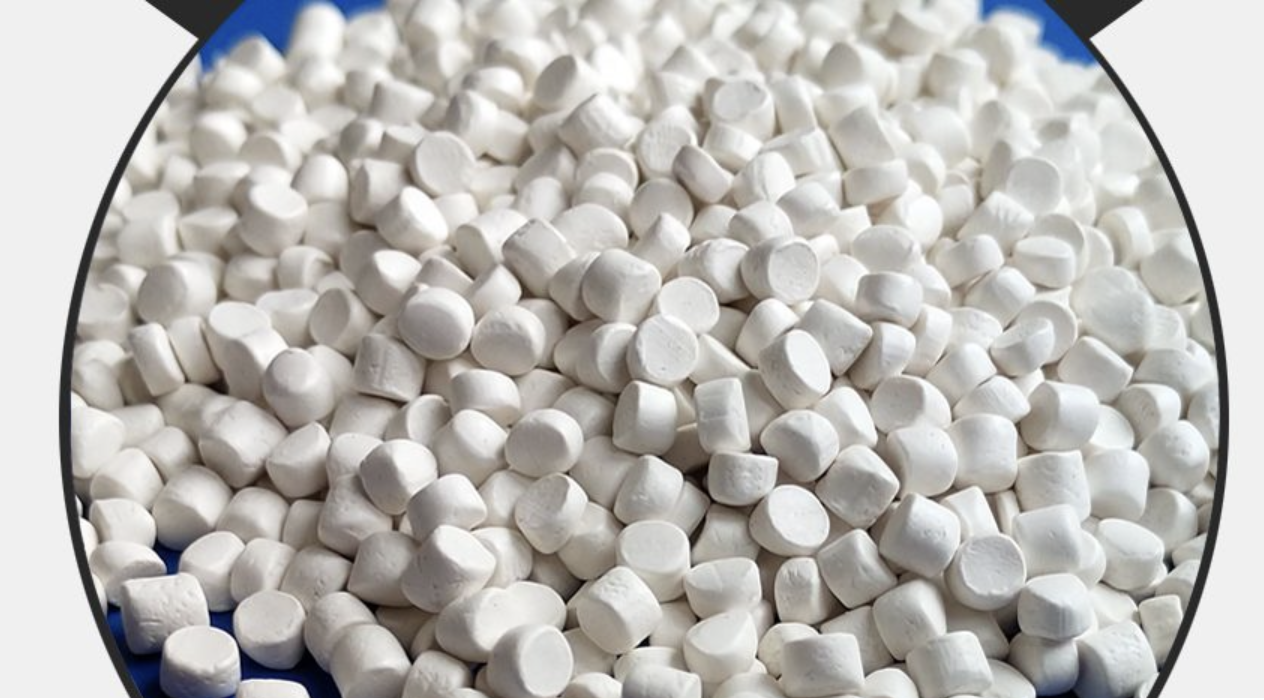
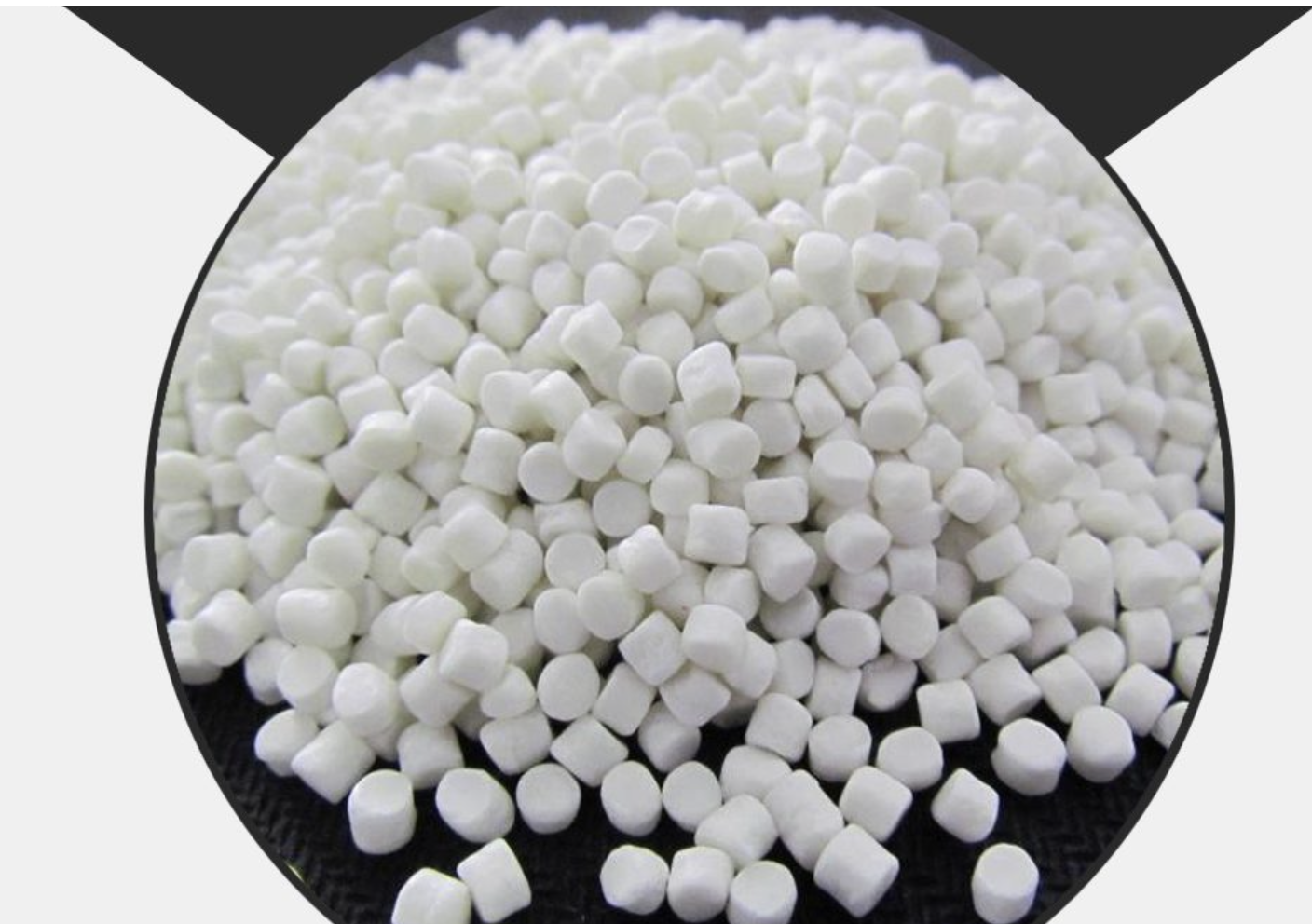
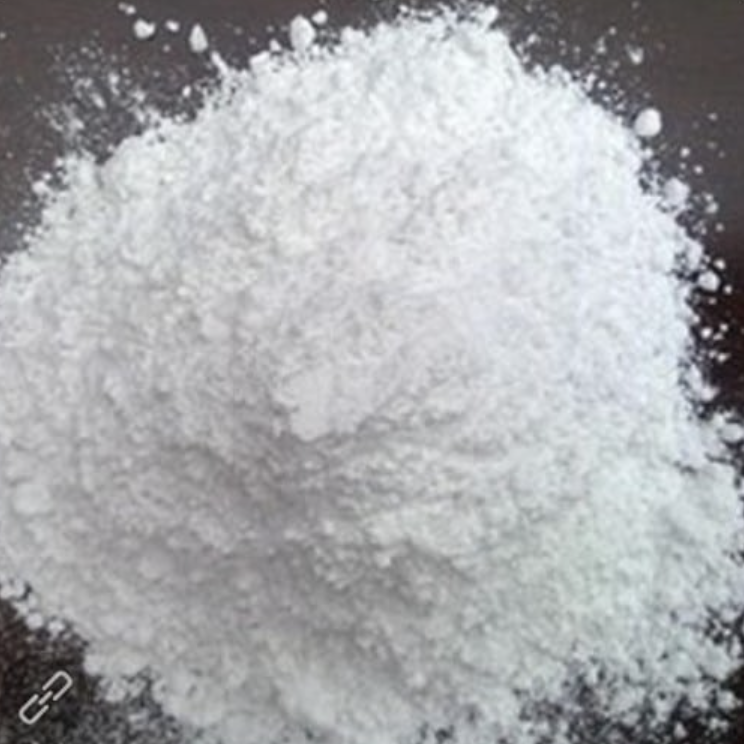
Appearance White powder
Bromine Content (%): 67.5
Nitrogen Content (%): 4.0
Main Content (%): >99.8
Melting Point (°C): >350
Volatility (%): 0.08
Packaging
Available in 25KG / bag or can be customized according to customer requirements, transported as general chemicals.
AI Product Description
*The following content is generated by AI and is for reference only.
2,4,6-Tris(2,4,6-Tribromophenoxy)-1,3,5-triazine is a high-performance brominated flame retardant widely recognized for its exceptional thermal stability and efficiency in protecting various polymeric materials. With the Chemical Abstracts Service (CAS) number 13807-95-3, this compound features a central triazine ring substituted with three tribromophenyl groups, creating a molecular structure rich in bromine atoms that effectively interrupts combustion chains. Its molecular formula is C21H9Br9N3O3, reflecting a high bromine content of approximately 76%, which is crucial for achieving optimal flame-retardant performance at relatively low loading levels.
This substance is primarily utilized as an additive in engineering plastics such as polycarbonate, acrylonitrile butadiene styrene (ABS), epoxy resins, and unsaturated polyester resins. It is particularly valued in the manufacturing of electronic components, electrical appliances, and automotive parts where strict fire safety regulations must be met without compromising mechanical properties. The unique structure allows it to disperse well within polymer matrices, ensuring uniform protection while maintaining good flow characteristics during processing. Unlike some halogenated alternatives, this specific triazine derivative offers a favorable balance between efficacy and environmental considerations, although regulatory scrutiny on brominated compounds continues globally.
In application, the material functions by releasing hydrogen bromide gas upon heating, which scavenges highly reactive free radicals in the flame zone, thereby suppressing combustion. Additionally, it promotes char formation on the surface of burning materials, acting as a physical barrier against heat and oxygen. Due to its high melting point and low volatility, it remains stable during standard processing temperatures, reducing the risk of degradation or emission of toxic fumes during manufacturing. While research into alternative non-halogenated solutions persists, 2,4,6-Tris(2,4,6-Tribromophenoxy)-1,3,5-triazine remains a cornerstone in industries requiring robust fire resistance. Its versatility across diverse thermoplastic and thermoset systems ensures its continued relevance in safety-critical applications worldwide, serving as a reliable solution for meeting stringent international flammability standards like UL94 V-0 classifications.





 (All Rights Reserved)
![3-Bromo-5-tert-butylbenzo[b]thiophene](https://eimg.pharmasources.com/image/product/20250919/742a9f6c2521018bdd155a4ef08a8873jpg)



![Ethyl 5-methylbenzo[b]thiophene-2-carboxylate](https://eimg.pharmasources.com/image/product/20250919/bd4b4317408ace91b597157b395c106bjpg)
![3-Iodo-5-tert-butylbenzo[b]thiophene](https://eimg.pharmasources.com/image/product/20250919/370cd976e4b82e45e310eab5fdf6b1f1jpg)
![5-Hydroxy-3,9-dimethyl-7H-benzo[c]fluoren-7-one](https://eimg.pharmasources.com/image/product/20250919/d01931f02fb1e7e8231c9933d73e3837jpg)
