Product Description
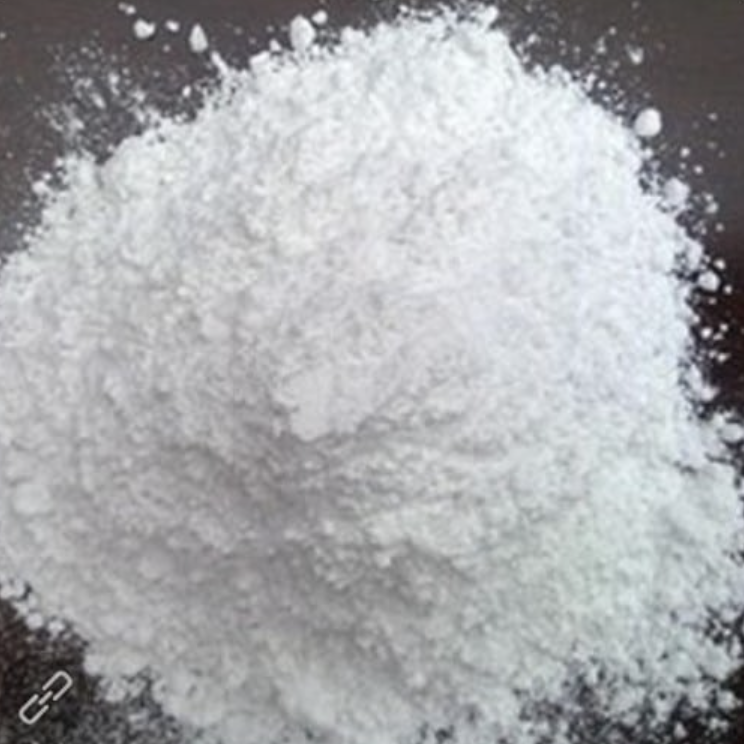
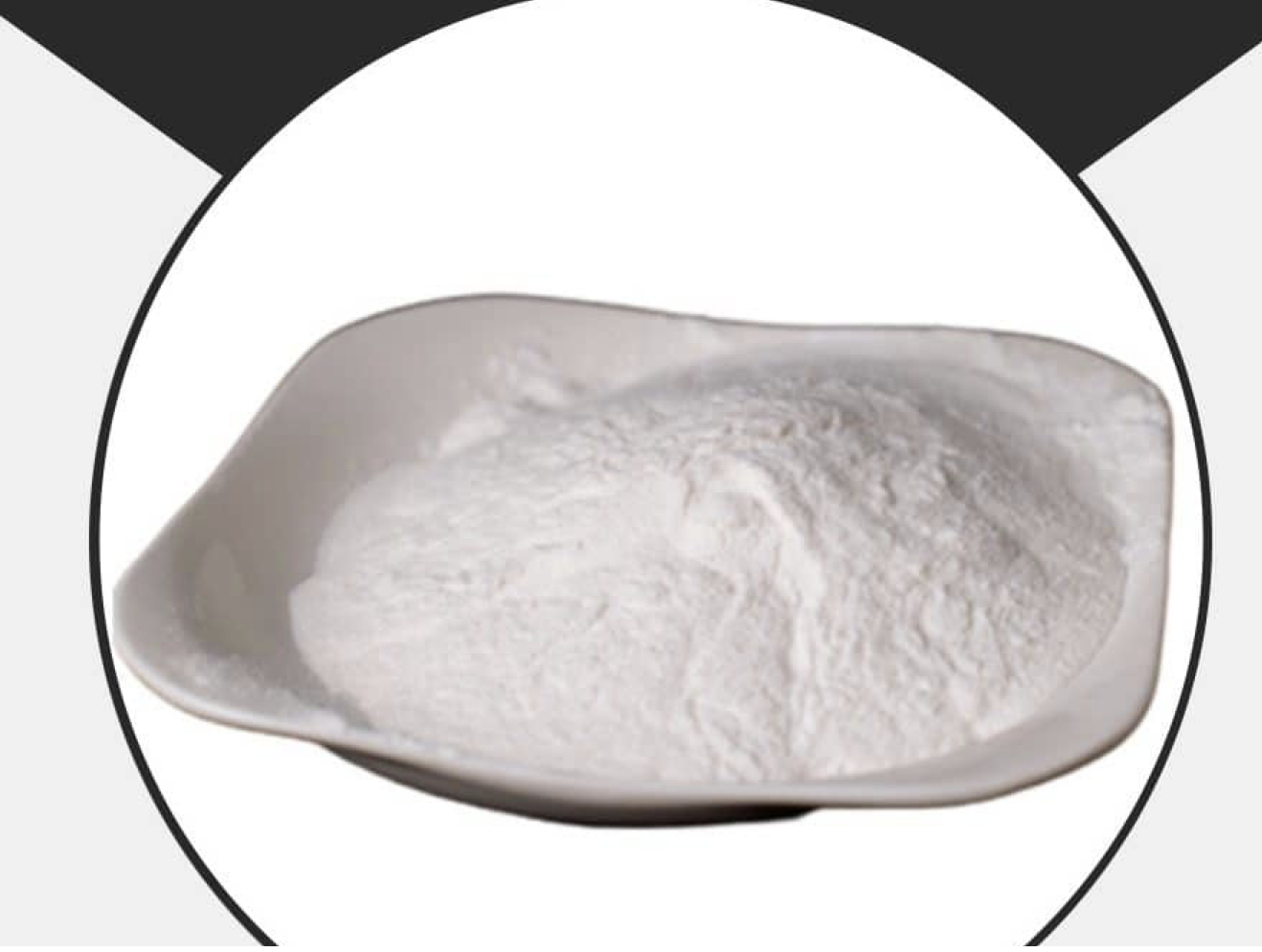
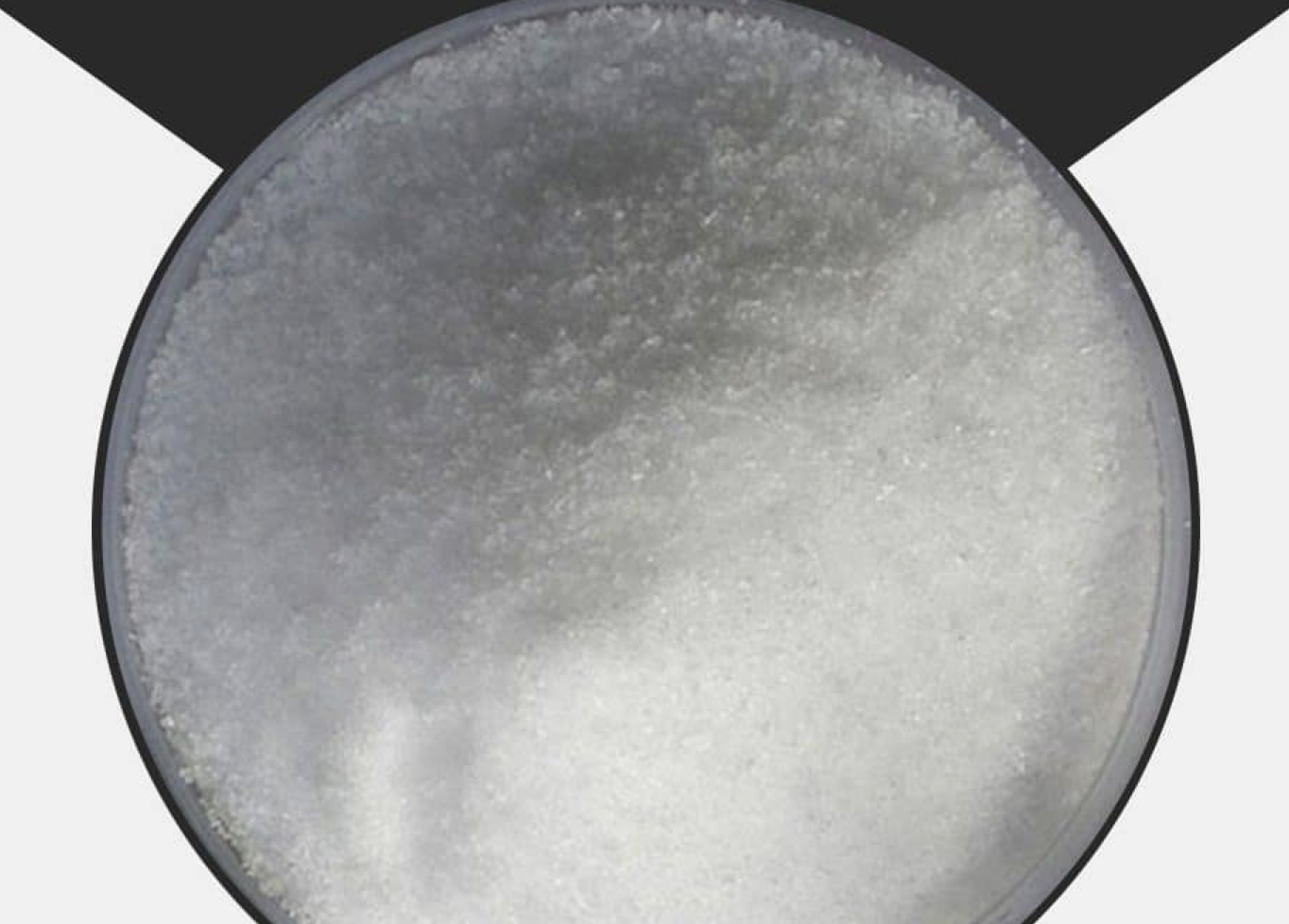
Appearance White powder
Average grain diameter 0.6-1.2 μm
Whiteness 96 Min
Antimony trioxide (Sb2O3) 99.8% Min
As 0.0380% Max.
Pb 0.0480% Max.
Fe 0.0015% Max.
Cu 0.0016% Max.
Se 0.0020% Max.
Cd 0.0010% Max.
General & Use
Antimony Trioxide (99.8%) has good particle size distribution with low lead (Pb) content. It is good to be used as synergist with halogen flame retardant in most of plastics.
Packaging
25kg bag, 1000kg jumbo bag/pallet, Other packing will be available by customers’ requests.
AI Product Description
*The following content is generated by AI and is for reference only.
TDS OF ATO is a specialized industrial chemical product widely recognized in water treatment and analytical chemistry sectors. However, it is important to clarify that "TDS OF ATO" does not represent a single molecular entity with a specific chemical formula or CAS number. Instead, this term refers to the Total Dissolved Solids (TDS) measurement associated with Activated Carbon Treatment Optimization (ATO) systems or similar water purification processes. TDS itself is a general parameter indicating the combined content of all inorganic and organic substances dissolved in water, measured in milligrams per liter (mg/L). The "ATO" component typically denotes a proprietary or process-specific optimization protocol involving activated carbon filtration, which aims to reduce contaminants and improve water quality.
In industrial applications, TDS monitoring within ATO frameworks is critical for ensuring compliance with environmental standards and maintaining equipment efficiency. High TDS levels can lead to scaling, corrosion, and reduced membrane lifespan in reverse osmosis systems. Therefore, the integration of ATO strategies helps operators achieve optimal TDS reduction through enhanced adsorption and filtration mechanisms. While no distinct CAS registry exists for "TDS OF ATO," related components may include activated carbon (CAS 7440-44-0), various mineral salts contributing to TDS, and auxiliary chemicals used in pretreatment stages.
The primary utility of TDS OF ATO lies in its role as a diagnostic metric for water quality management across municipal, pharmaceutical, and food processing industries. By continuously tracking TDS fluctuations during ATO operations, facilities can detect leaks, assess filter saturation, and adjust regeneration cycles proactively. This data-driven approach supports sustainable water reuse initiatives and minimizes waste discharge. Although the term functions more as a process indicator than a standalone chemical compound, its accurate interpretation remains vital for operational success. Engineers rely on precise TDS readings validated by ATO protocols to guarantee safe drinking water and high-purity process streams. Ultimately, understanding the interplay between TDS parameters and ATO methodologies empowers organizations to enhance system reliability while meeting stringent regulatory requirements globally.



 (All Rights Reserved)


![3-Bromo-5-tert-butylbenzo[b]thiophene](https://eimg.pharmasources.com/image/product/20250919/742a9f6c2521018bdd155a4ef08a8873jpg)
![3-Iodo-5-tert-butylbenzo[b]thiophene](https://eimg.pharmasources.com/image/product/20250919/370cd976e4b82e45e310eab5fdf6b1f1jpg)

![5-Hydroxy-3,9-dimethyl-7H-benzo[c]fluoren-7-one](https://eimg.pharmasources.com/image/product/20250919/d01931f02fb1e7e8231c9933d73e3837jpg)

![Ethyl 5-methylbenzo[b]thiophene-2-carboxylate](https://eimg.pharmasources.com/image/product/20250919/bd4b4317408ace91b597157b395c106bjpg)
