Product Description
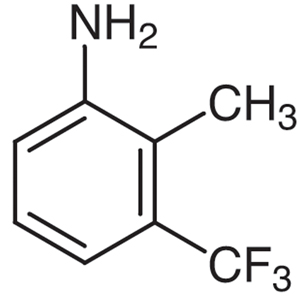
| 2-甲基-3-三氟甲基苯胺 |
2-Methyl-3-trifluoromethylaniline |
| CAS RN |
54396-44-0 |
| Purity / Analysis Method |
>99.0%(GC) |
| Molecular Formula / Molecular Weight |
C8H8F3N = 175.15 |
| Physical State (20 deg.C) |
Solid |
| Storage Temperature |
Room Temperature (Recommended in a cool and dark place, <15°C) |
| Appearance |
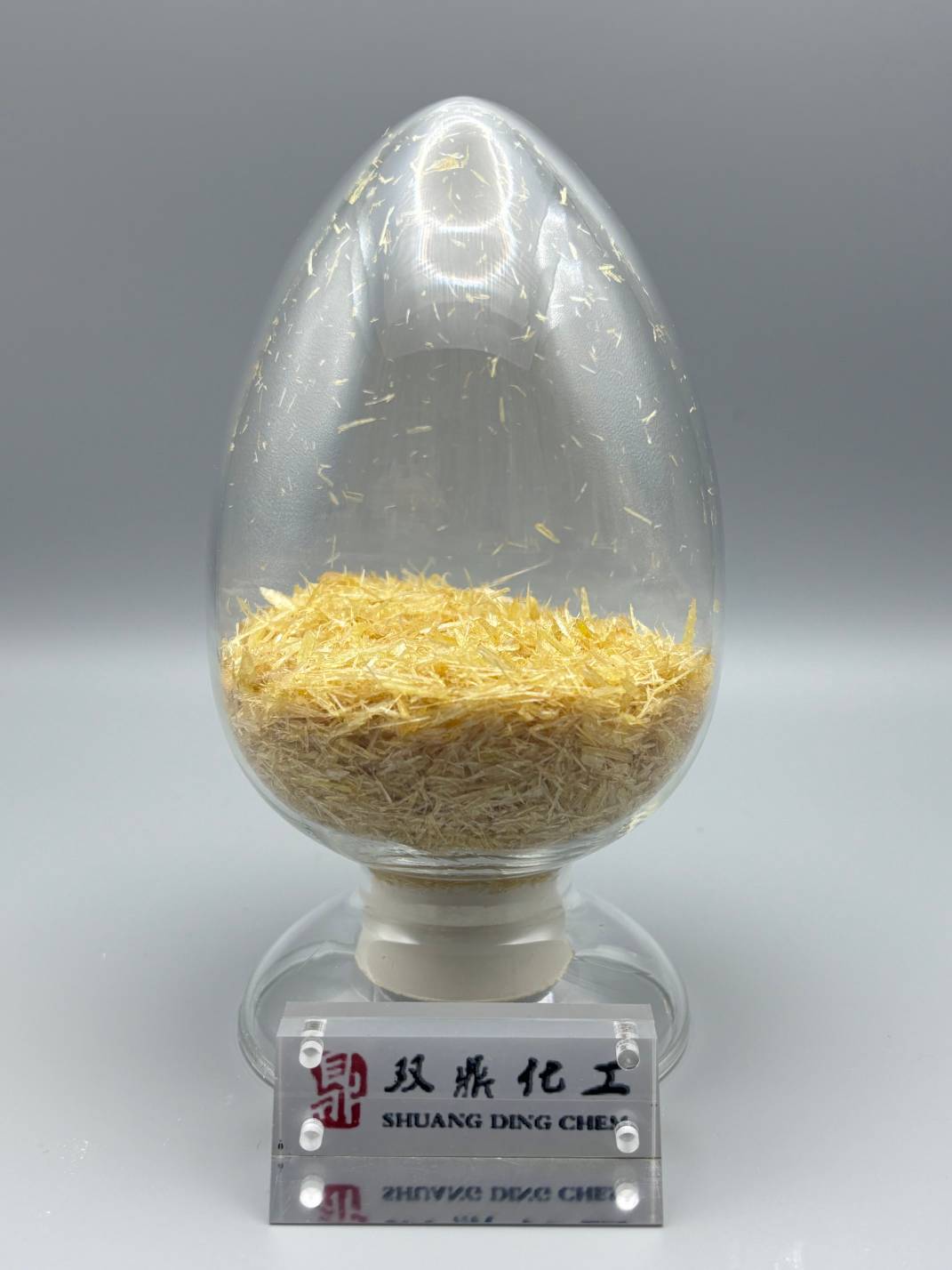
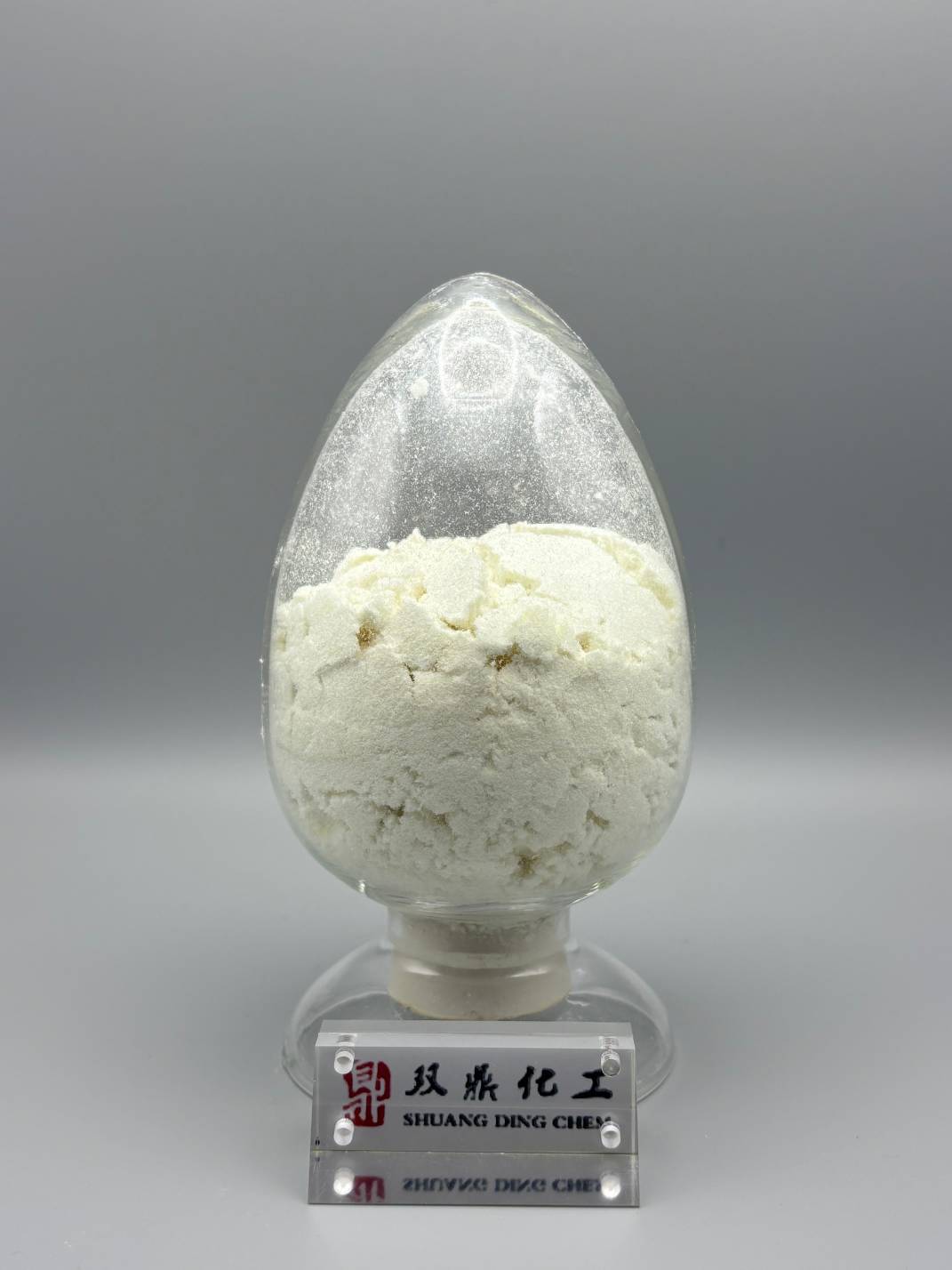
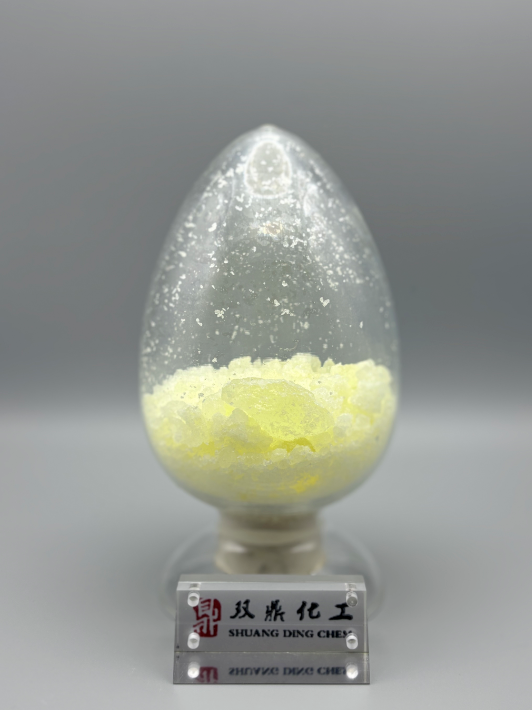
White to Brown powder to crystal |
| Melting point |
40 °C |
AI Product Description
*The following content is generated by AI and is for reference only.
2-Methyl-3-trifluoromethylaniline is a specialized aromatic amine derivative widely utilized in the pharmaceutical and agrochemical industries as a critical synthetic intermediate. With the molecular formula C8H8F3N and a CAS registry number of 105769-94-2, this compound features a benzene ring substituted with a methyl group at the second position and a trifluoromethyl group at the third position relative to the amino functionality. The presence of the highly electronegative trifluoromethyl moiety significantly alters the electronic properties of the molecule compared to its non-fluorinated analogs, often enhancing metabolic stability and lipophilicity in biological systems. This unique structural characteristic makes it an invaluable building block for the development of novel bioactive compounds.
In pharmaceutical research, 2-methyl-3-trifluoromethylaniline serves as a key precursor for synthesizing complex heterocyclic scaffolds found in various therapeutic agents. It is frequently employed in the construction of kinase inhibitors, antidepressants, and anti-inflammatory drugs where precise modulation of binding affinity is required. The electron-withdrawing nature of the trifluoromethyl group facilitates specific nucleophilic substitution reactions, allowing chemists to introduce diverse functional groups efficiently. Similarly, in the agrochemical sector, this intermediate contributes to the creation of advanced herbicides and fungicides designed to target specific pest pathways while minimizing environmental persistence. Its ability to improve the pharmacokinetic profile of lead molecules has driven increased demand across global chemical supply chains.
The physical appearance of 2-methyl-3-trifluoromethylaniline typically manifests as a pale yellow to colorless liquid or low-melting solid, depending on purity levels and storage conditions. Handling requires standard safety precautions due to its potential irritant properties and reactivity with strong oxidizing agents. As the global push for more effective and sustainable chemical solutions continues, derivatives like this remain central to innovation in medicinal chemistry. Researchers rely on its consistent quality and availability to accelerate drug discovery pipelines, ensuring that new treatments can reach the market faster. Consequently, understanding its synthesis routes and application scope is essential for professionals involved in fine chemical manufacturing and R&D.





 (All Rights Reserved)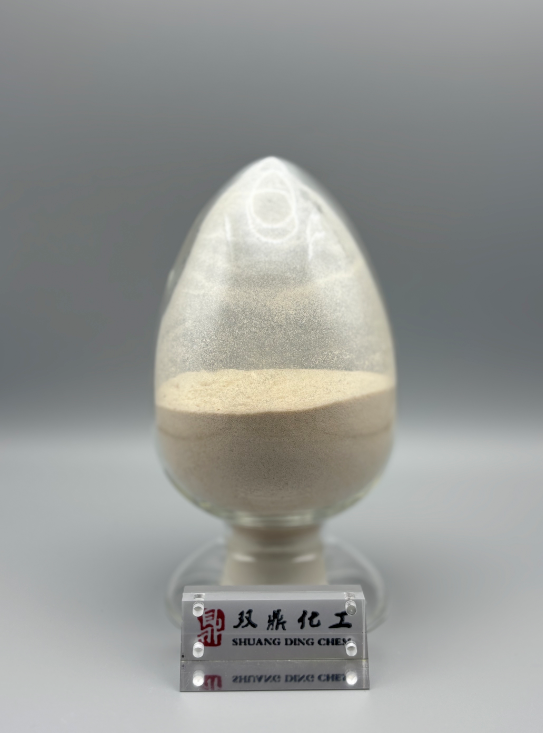
![3-Iodo-5-tert-butylbenzo[b]thiophene](https://eimg.pharmasources.com/image/product/20250919/370cd976e4b82e45e310eab5fdf6b1f1jpg)
![Ethyl 5-methylbenzo[b]thiophene-2-carboxylate](https://eimg.pharmasources.com/image/product/20250919/bd4b4317408ace91b597157b395c106bjpg)
![5-Hydroxy-3,9-dimethyl-7H-benzo[c]fluoren-7-one](https://eimg.pharmasources.com/image/product/20250919/d01931f02fb1e7e8231c9933d73e3837jpg)

![3-Bromo-5-tert-butylbenzo[b]thiophene](https://eimg.pharmasources.com/image/product/20250919/742a9f6c2521018bdd155a4ef08a8873jpg)