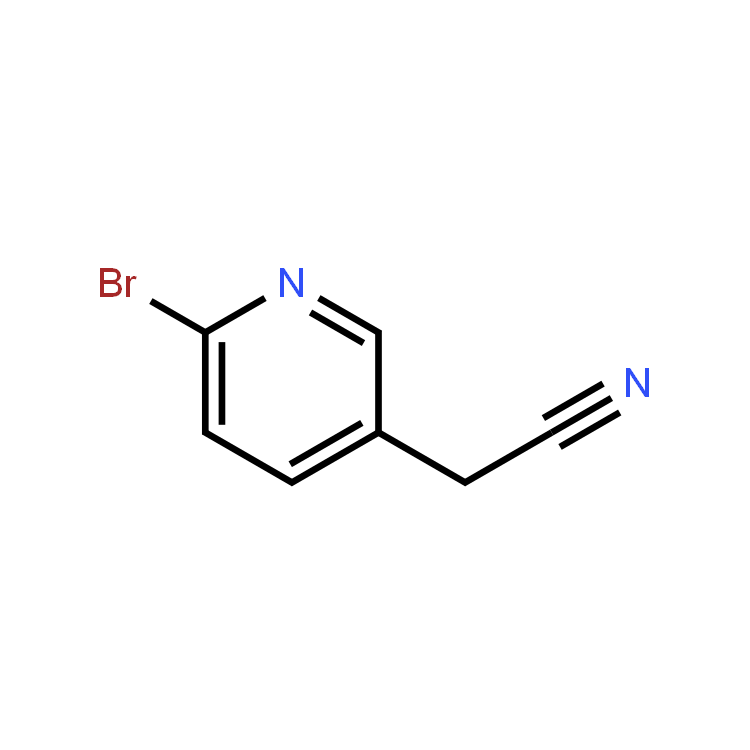
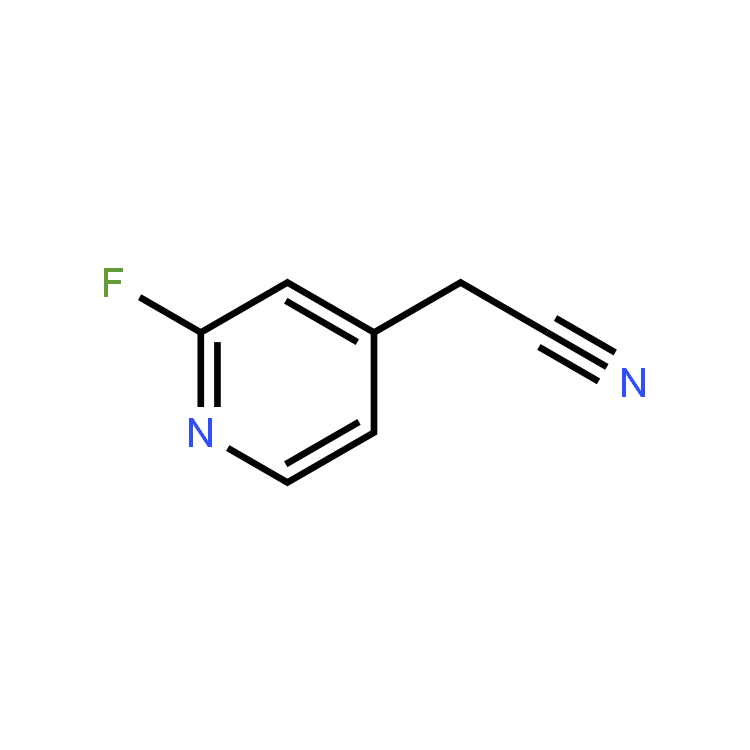
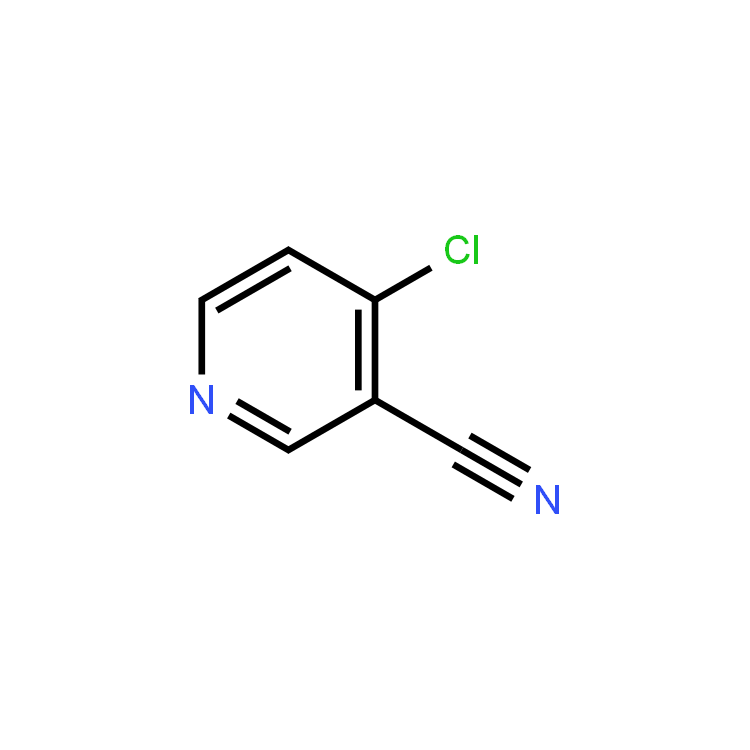
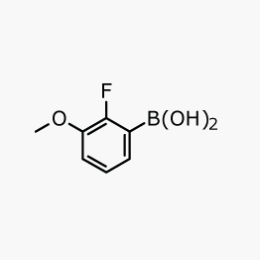
Huateng Pharmaceutical, a global supplier of pharmaceutical intermediates, offers Elagolix intermediate 2-FLUORO-3-METHOXYBENZENEBORONIC ACID (CAS No.: 352303-67-4) for your requirements of R&D, evaluation, pilots and commercial along with supportive technical package required for evaluation.
*The following content is generated by AI and is for reference only.
2-Fluoro-3-methoxybenzeneboronic acid is a specialized organoboron compound widely utilized in modern organic synthesis, particularly as a pivotal intermediate for cross-coupling reactions. With the molecular formula C7H8BFO3 and the CAS Registry Number 139605-84-8, this white to off-white crystalline solid serves as an essential building block for constructing complex aromatic architectures. The molecule features a benzene ring substituted with a fluoro group at the ortho position relative to the boronic acid moiety and a methoxy group at the meta position. This specific substitution pattern significantly influences the electronic properties and reactivity of the boron center, making it highly valuable for fine-tuning reaction outcomes in pharmaceutical and materials science applications.
The primary utility of 2-fluoro-3-methoxybenzeneboronic acid lies in its ability to participate efficiently in Suzuki-Miyaura coupling reactions. In these palladium-catalyzed processes, it couples seamlessly with various aryl or vinyl halides to form biaryl compounds. The presence of the fluorine atom often enhances the metabolic stability of the resulting drug candidates, while the methoxy group can modulate lipophilicity and binding affinity within biological targets. Consequently, this reagent is frequently employed in the research and development of novel bioactive molecules, including kinase inhibitors, antidepressants, and anti-inflammatory agents.
Beyond pharmaceuticals, derivatives synthesized from this boronic acid are increasingly explored in the field of optoelectronics. They serve as key precursors for developing organic light-emitting diodes (OLEDs) and advanced functional materials due to their unique electronic characteristics. The compound is generally stable under standard laboratory conditions but should be handled with care, as boronic acids can be sensitive to moisture and oxidation over prolonged periods. High-purity grades are commercially available, ensuring consistent performance in rigorous synthetic protocols. Researchers value its versatility in enabling late-stage functionalization strategies, allowing for the rapid assembly of diverse molecular scaffolds. As the demand for precision chemistry grows, 2-fluoro-3-methoxybenzeneboronic acid remains a cornerstone reagent for chemists aiming to innovate in drug discovery and material engineering, bridging the gap between simple starting materials and sophisticated end-products.





 (All Rights Reserved)

![8-Oxa-1,3-diazaspiro[4.5]decane-2,4-dione](https://eimg.pharmasources.com/image/product/20250403/60fa7223d5a34f24138486ceea0ffb15jpg)
![6,8-Dioxo-5,7-diazaspiro[3.4]octane-2-carboxylic acid](https://eimg.pharmasources.com/image/product/20250403/02effeb5a7639bc84ff1f3add3c0c64fjpg)
![8,16-Diazadispiro[6.1.6.2]heptadecan-17-one](https://eimg.pharmasources.com/image/product/20250403/ca91cba8b87e53fc879f8d8764873a40jpg)