Product Description
Cigna Qingdao is mainly engaged in the intermediates of febuxostatin, ceflothrin, eprazole, flubiprofen, phenalidone, tovaptan, rivaroxaban and Avanafil, terbinafine intermediates, thioacetamide and thiophene and their derivatives.
AI Product Description
*The following content is generated by AI and is for reference only.
2-Chloromethyl-4-methoxy-3-methylpyridine hydrochloride is a specialized organic intermediate widely utilized in the pharmaceutical and agrochemical industries for the synthesis of complex heterocyclic compounds. This white to off-white crystalline powder serves as a crucial building block due to its reactive chloromethyl group and the electron-rich pyridine ring structure. The compound is commercially available as a stable hydrochloride salt, which enhances its solubility in polar solvents and ensures handling safety during laboratory and industrial processes.
The molecular formula of this substance is C7H9Cl2NO, with a corresponding CAS number of 100658-58-6. Its molar mass is approximately 186.06 g/mol. Structurally, it features a pyridine core substituted at the 2-position with a chloromethyl group, at the 3-position with a methyl group, and at the 4-position with a methoxy group. The presence of the hydrochloride moiety indicates that the nitrogen atom of the pyridine ring has been protonated, forming a salt that facilitates purification and storage.
In terms of applications, this reagent is primarily employed as an alkylating agent in nucleophilic substitution reactions. It is frequently used to introduce pyridine moieties into drug candidates, particularly those targeting central nervous system disorders, cardiovascular conditions, and antimicrobial therapies. The specific substitution pattern allows for high regioselectivity in subsequent cyclization reactions, making it valuable for constructing fused heterocyclic systems found in various bioactive molecules. Furthermore, it plays a significant role in the development of novel agrochemicals, including herbicides and insecticides, where pyridine derivatives exhibit potent biological activity.
Chemical suppliers typically provide this compound with high purity grades suitable for research and development purposes. Standard specifications often require a minimum purity of 98% or higher, verified through HPLC analysis. Safety data sheets indicate that while the solid form is relatively stable, it should be handled with appropriate personal protective equipment to avoid contact with skin or eyes, as it may cause irritation. Storage recommendations include keeping the material in a cool, dry place under an inert atmosphere to prevent degradation. Overall, 2-chloromethyl-4-methoxy-3-methylpyridine hydrochloride remains an indispensable tool for medicinal chemists aiming to synthesize advanced therapeutic agents efficiently and effectively.






 (All Rights Reserved)







![3-Iodo-5-tert-butylbenzo[b]thiophene](https://eimg.pharmasources.com/image/product/20250919/370cd976e4b82e45e310eab5fdf6b1f1jpg)

![Ethyl 5-methylbenzo[b]thiophene-2-carboxylate](https://eimg.pharmasources.com/image/product/20250919/bd4b4317408ace91b597157b395c106bjpg)
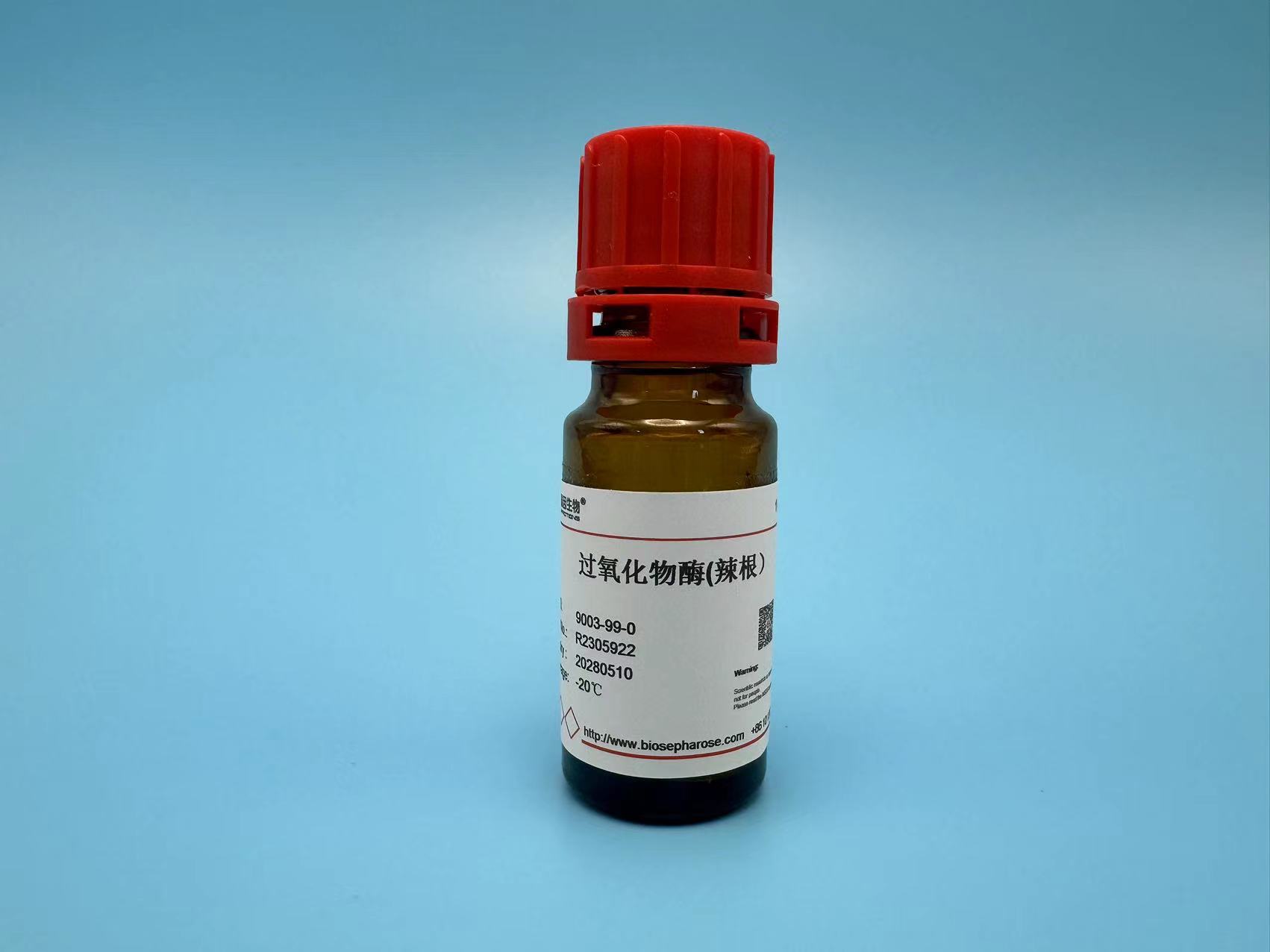
![3-Bromo-5-tert-butylbenzo[b]thiophene](https://eimg.pharmasources.com/image/product/20250919/742a9f6c2521018bdd155a4ef08a8873jpg)

![5-Hydroxy-3,9-dimethyl-7H-benzo[c]fluoren-7-one](https://eimg.pharmasources.com/image/product/20250919/d01931f02fb1e7e8231c9933d73e3837jpg)