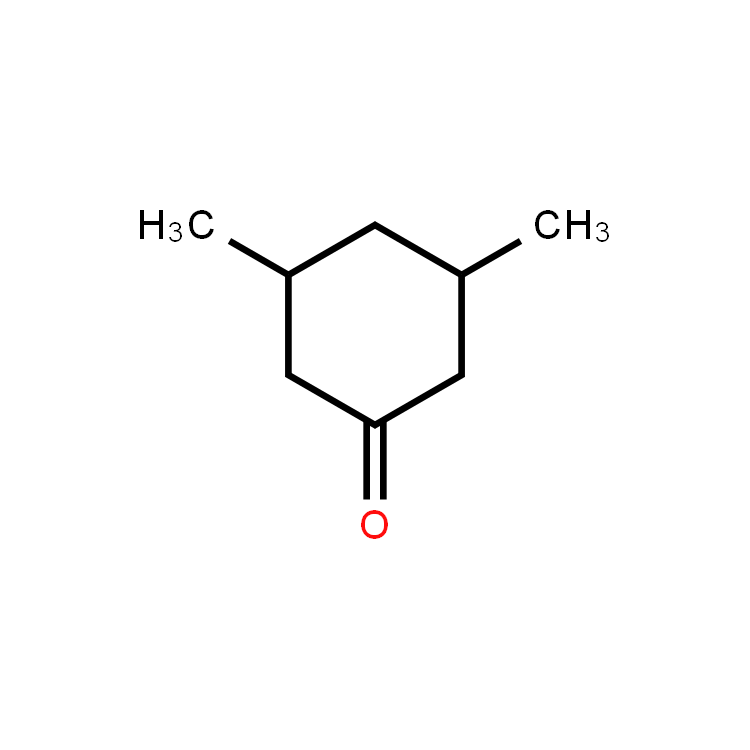
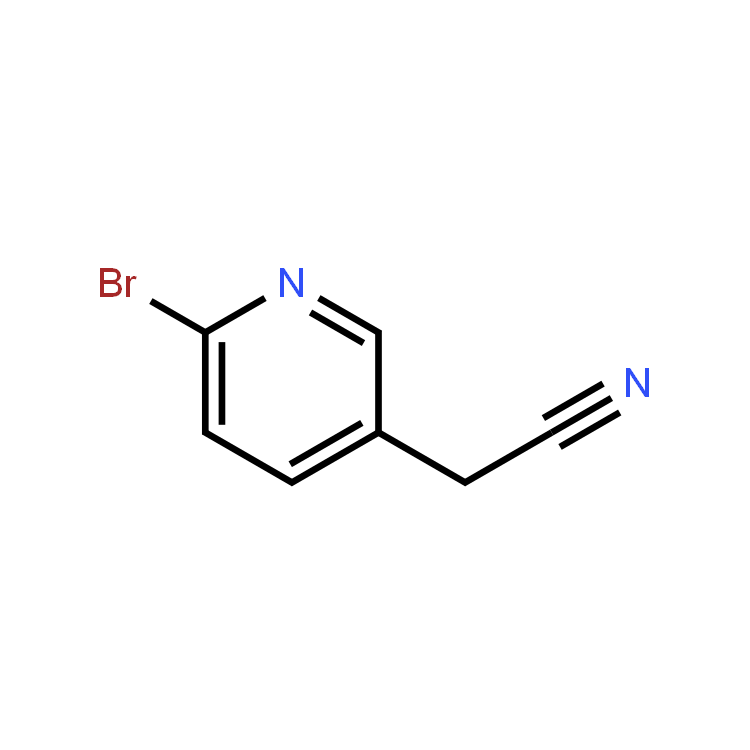
2-Aminoisobutyric acid (CAS no. 62-57-7) is one of the intermediates of enzalutamide, a second-generation small-molecule inhibitor of the androgen receptor (AR), has been approved for patients who failed with androgen deprivation therapy and have developed castration-resistant prostate cancer.
*The following content is generated by AI and is for reference only.
2-Aminoisobutyric acid (AIB), chemically known as 2-amino-2-methylpropanoic acid, is a non-proteinogenic alpha-amino acid characterized by a methyl group attached to the alpha carbon. This unique structural feature distinguishes it from standard protein-building blocks like alanine, rendering it resistant to degradation by common proteolytic enzymes. The molecular formula of AIB is C4H9NO2, and it is identified by the CAS number 3508-71-8. It typically appears as a white crystalline powder that is soluble in water but insoluble in most organic solvents.
Originally isolated from bacterial cell walls and certain sponges, AIB has found significant utility across pharmaceutical research, biochemistry, and materials science. Its primary application lies in the development of peptide therapeutics. Due to its steric hindrance and metabolic stability, incorporating AIB into peptide sequences enhances their resistance to enzymatic hydrolysis, thereby extending their half-life in biological systems. This property is crucial for designing potent drugs targeting specific receptors, including those involved in diabetes management and cardiovascular health. Furthermore, AIB serves as a vital building block in the synthesis of beta-lactam antibiotics and other complex heterocyclic compounds.
In analytical chemistry, AIB is frequently employed as an internal standard or a chiral selector in high-performance liquid chromatography (HPLC) for separating amino acid enantiomers. Its ability to form stable complexes with metal ions also makes it valuable in coordination chemistry studies. Additionally, research indicates potential applications in agricultural chemistry, where it acts as a precursor for herbicides and plant growth regulators. While not naturally incorporated into mammalian proteins during translation, AIB remains indispensable for researchers engineering novel biomolecules with tailored stability and function. As a versatile intermediate, it bridges the gap between fundamental organic synthesis and advanced therapeutic design, supporting innovations in drug discovery and diagnostic technologies globally.






 (All Rights Reserved)

![6,8-Dioxo-5,7-diazaspiro[3.4]octane-2-carboxylic acid](https://eimg.pharmasources.com/image/product/20250403/02effeb5a7639bc84ff1f3add3c0c64fjpg)
![8,16-Diazadispiro[6.1.6.2]heptadecan-17-one](https://eimg.pharmasources.com/image/product/20250403/ca91cba8b87e53fc879f8d8764873a40jpg)
![8-Oxa-1,3-diazaspiro[4.5]decane-2,4-dione](https://eimg.pharmasources.com/image/product/20250403/60fa7223d5a34f24138486ceea0ffb15jpg)