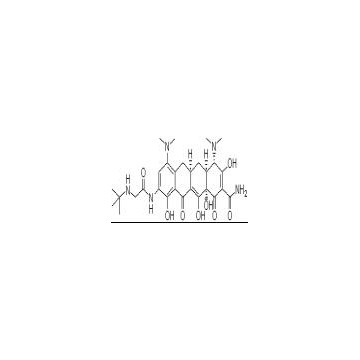
Product Description
pharmaceutical intermediates
AI Product Description
*The following content is generated by AI and is for reference only.
2-Amino-3-(2-chlorobenzoyl)-5-ethylthiophene is a specialized organic compound belonging to the class of substituted thiophenes, characterized by its unique heterocyclic structure and functional group arrangement. With a molecular formula of C14H12ClNO2S, this molecule features an ethyl group at the 5-position, an amino substituent at the 2-position, and a chlorobenzoyl moiety attached at the 3-position. While specific CAS registry numbers for this exact isomer may vary depending on precise synthesis routes or commercial listings, it serves as a critical intermediate in pharmaceutical research and fine chemical manufacturing. The presence of the thiophene ring imparts distinct electronic properties, making it valuable for developing novel therapeutic agents.
In industrial applications, this compound is primarily utilized as a building block for synthesizing complex heterocyclic systems found in modern drug discovery programs. Its structural versatility allows chemists to engage in various coupling reactions, cyclizations, and modifications to create derivatives with potential biological activities. Researchers often explore such molecules for their efficacy against infectious diseases, inflammatory conditions, or neurological disorders. The chlorine atom on the benzoyl group can enhance lipophilicity and metabolic stability, factors crucial for optimizing drug candidates. Furthermore, the amino group offers a reactive site for further derivatization, enabling the creation of diverse molecular libraries for high-throughput screening.
Although not widely available as a bulk commodity, this substance is typically produced in small quantities by specialized chemical suppliers for academic and industrial laboratories. Strict quality control measures are essential during its handling due to the reactivity of the amine and carbonyl functionalities. Safety data sheets indicate standard precautions for organic solvents and potential irritants associated with similar thiophene derivatives. As the demand for targeted therapies grows, compounds like 2-Amino-3-(2-chlorobenzoyl)-5-ethylthiophene remain pivotal in advancing medicinal chemistry. Their role extends beyond simple intermediates; they represent key structural motifs that bridge fundamental organic synthesis with practical medical solutions. Continued study of these molecules promises to unlock new avenues in pharmacology, contributing to the development of safer and more effective treatments for global health challenges.






 (All Rights Reserved)

![4-[[[[6-[(Diethylamino)methyl]-2-naphthalenylmethoxy]carbonyllaminolbenzoic acid](https://eimg.pharmasources.com/image/20241206/xJCFsdgfMrHzqjtgeOixhGQHgVbKi7kAcoEqemzE.jpg)