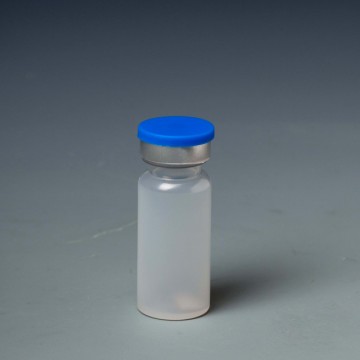
meet customers' demands on products
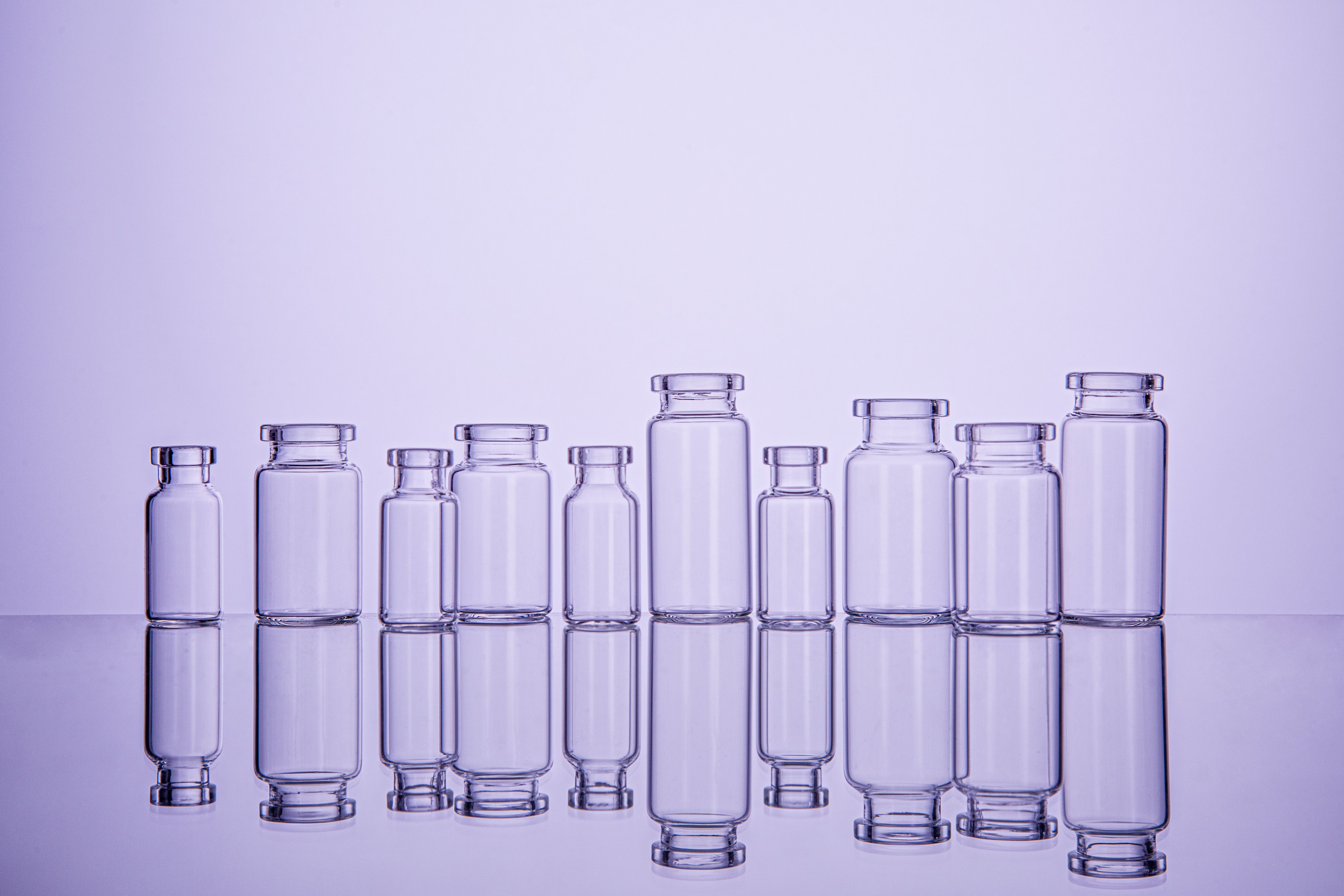
with better chemical stability and inpact strength,it is widely used invarious kinds of water injection. Powder injection, freeze-dried productsanf other medicine preparations.
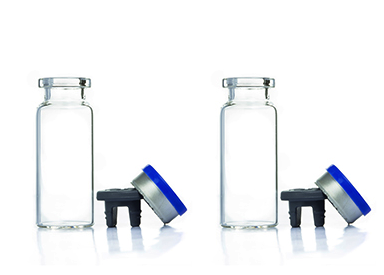
Matching related accessories
Logo can be printed
*The following content is generated by AI and is for reference only.
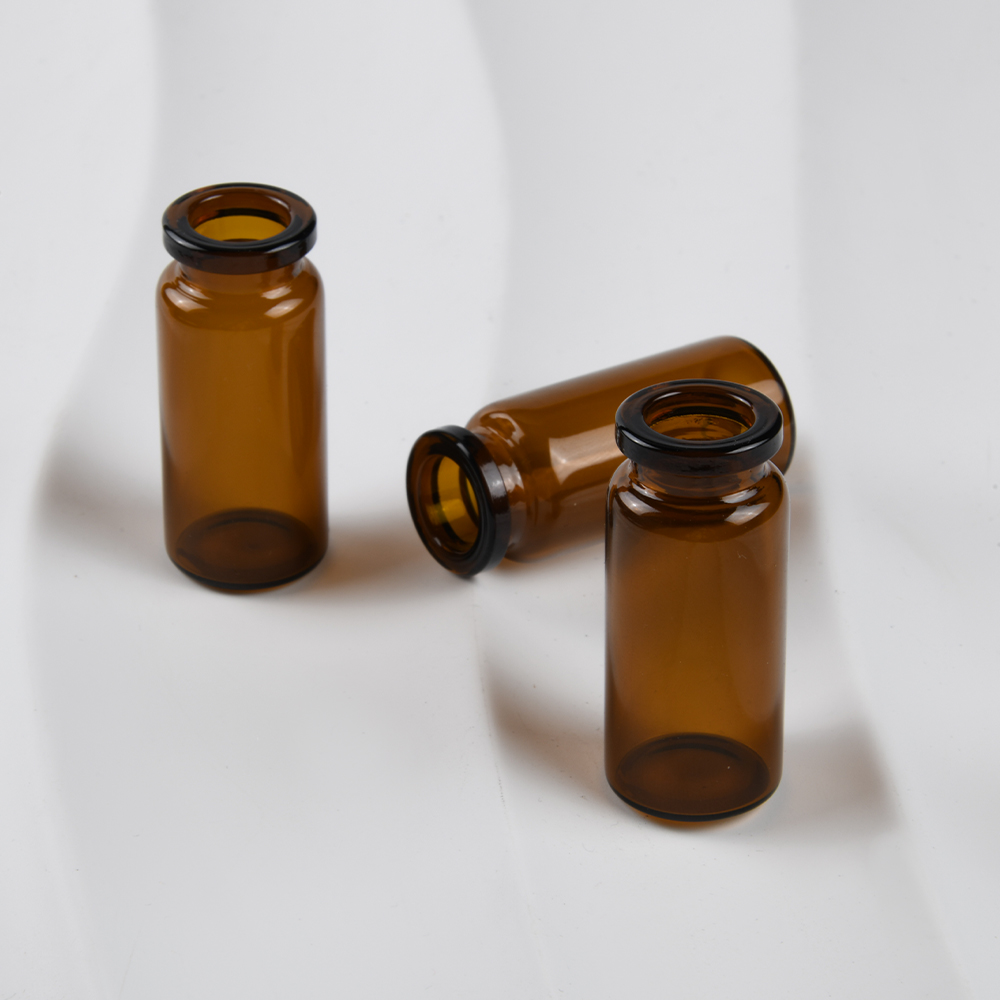
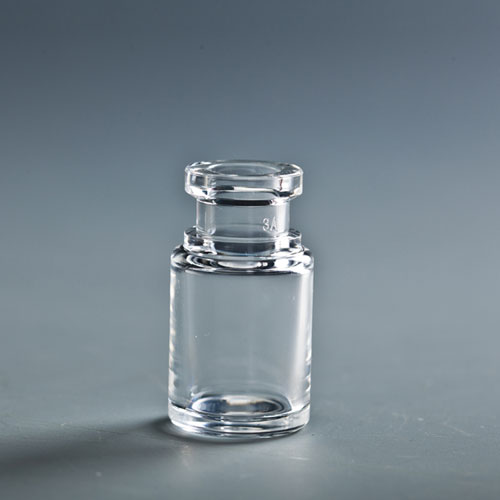
The 15ml low borosilicate tubular vial is a specialized laboratory container engineered for high-precision applications requiring superior chemical and thermal resistance. Crafted from Type I low borosilicate glass, these vials offer exceptional durability against extreme temperature fluctuations and harsh chemical environments, making them indispensable in analytical chemistry, pharmaceutical testing, and environmental analysis. Their tubular design ensures a uniform cross-section, which facilitates accurate liquid handling and minimizes sample loss during transfer or evaporation processes.
These vials are primarily utilized as storage vessels for volatile organic compounds, biological samples, and reagents that demand strict containment to prevent contamination or degradation. The low borosilicate composition significantly reduces the risk of leaching alkali ions compared to standard soda-lime glass, ensuring sample integrity during long-term storage or high-temperature heating. This characteristic is particularly critical when analyzing trace elements or conducting chromatography where glass purity directly impacts data accuracy. Furthermore, their compatibility with various sealing systems allows for secure closure using crimp caps or screw tops, maintaining an inert atmosphere within the vessel.
When handling 15ml low borosilicate tubular vials, several precautions must be observed to ensure safety and product longevity. Although highly resistant to thermal shock, sudden and drastic temperature changes should still be avoided to prevent potential breakage. Users must handle these vials with care, utilizing appropriate personal protective equipment such as gloves and safety goggles, especially when working with corrosive substances. It is also vital to inspect each vial for micro-cracks or imperfections before use, as even minor defects can compromise structural integrity under pressure or vacuum conditions.
Proper cleaning protocols are essential; vials should be rinsed thoroughly with high-purity solvents or deionized water to remove any residual contaminants prior to sample introduction. Avoid using abrasive cleaning tools that could scratch the glass surface, creating nucleation sites for cracks or harboring impurities. Additionally, ensure that the vials are completely dry before sealing if moisture sensitivity is a concern for the stored sample. By adhering to these guidelines, researchers can maximize the reliability of their experimental results while extending the service life of this versatile laboratory tool.





 (All Rights Reserved)