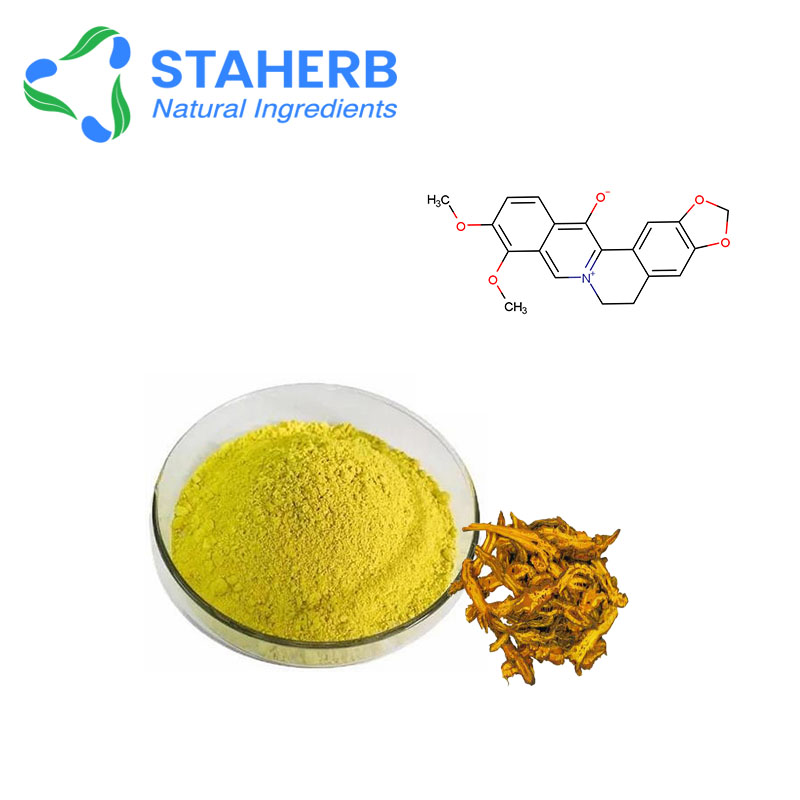
Product Name: 10-hydroxycamptothecin
Synonym: Spyrano[3, 4: 6, 7]indolizino[1, 2-b]quinoline-3, 14(4H, 12H)-dione
Molecular Formula: C20H16N2O5
Formula Weight: 364.35
Usage:anticancer
storage temp.: Keep in dark place,Inert atmosphere,Store in freezer, under -20°C
A Camptothecin derivative; a topoisomerase inhibitor for cancer therapy
*The following content is generated by AI and is for reference only.
10-Hydroxycamptothecin, identified by the CAS number 19685-09-7 and molecular formula C20H16N2O4, is a potent water-soluble analog of camptothecin, a naturally occurring alkaloid originally isolated from the Chinese tree *Camptotheca acuminata*. This compound represents a significant advancement in medicinal chemistry due to its improved pharmacokinetic profile compared to its parent molecule. While camptothecin suffers from poor solubility and rapid hydrolysis of its lactone ring in physiological conditions, rendering it unstable and less effective, 10-hydroxycamptothecin retains high biological activity with enhanced stability and bioavailability.
The primary mechanism of action for 10-hydroxycamptothecin involves the specific inhibition of topoisomerase I, an essential enzyme responsible for relieving torsional strain in DNA during replication and transcription. By stabilizing the transient cleavage complex formed between topoisomerase I and DNA, the drug prevents the re-ligation of DNA strands. This interference leads to the accumulation of single-strand breaks that convert into lethal double-strand breaks when encountered by the advancing replication fork, ultimately triggering apoptosis in rapidly dividing cells. Consequently, this agent exhibits broad-spectrum antitumor activity against various malignancies, including colorectal, lung, ovarian, and breast cancers.
In clinical research and pharmaceutical development, 10-hydroxycamptothecin serves as a critical reference standard and active pharmaceutical ingredient (API) for investigating novel anticancer therapies. It has been extensively studied in preclinical models and has paved the way for the development of more stable derivatives, such as irinotecan and topotecan, which are currently approved for clinical use. Its unique structural features make it invaluable for structure-activity relationship studies aimed at optimizing therapeutic efficacy while minimizing systemic toxicity. Furthermore, ongoing investigations continue to explore its potential in combination regimens to overcome drug resistance mechanisms observed in chemotherapy-resistant tumors. As a cornerstone in oncology research, 10-hydroxycamptothecin remains a vital tool for scientists striving to develop next-generation cancer treatments with superior safety profiles and enhanced patient outcomes.












 (All Rights Reserved)