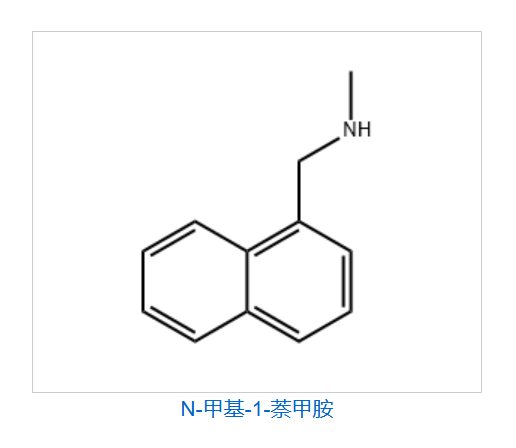
N-甲基-1-萘甲胺化学性质熔点:189.5-190°C沸点:104°C密度:1,05g/cm3折射率:1.6160-1.6190储存条件:underinertgas(nitrogenorArgon)at2–8°C溶解度:Chloroform(Slightly),EthylAcetate(Slightly)形态:clearliquid酸度系数(pKa):9.38±0.10(Predicted)颜色:ColorlesstoOraChemicalbookngetoGreenPH值:10.71at24℃and10g/LInChI:InChI=1S/C12H13N/c1-13-9-11-7-4-6-10-5-2-3-8-12(10)11/h2-8,13H,9H2,1H3InChIKey:MQRIUFVBEVFILS-UHFFFAOYSA-NSMILES:C1(CNC)=C2C(C=CC=C2)=CC=C1CAS数据库:14489-75-9(CASDataBaseReference
*The following content is generated by AI and is for reference only.
1-Methylaminomethylnaphthalene is a specialized organic intermediate primarily utilized in the synthesis of advanced pharmaceutical compounds, agrochemicals, and functional materials. Chemically classified as a substituted naphthylamine derivative, this molecule features a naphthalene core linked to an N-methylaminomethyl group, providing unique reactivity profiles essential for constructing complex heterocyclic structures. While specific commercial data may vary by supplier, the compound generally serves as a critical building block in medicinal chemistry research, particularly for developing kinase inhibitors, antimalarial agents, and novel therapeutic candidates targeting neurological disorders. Its structural configuration allows for versatile derivatization, enabling chemists to introduce diverse functional groups through standard nucleophilic substitution or reductive amination protocols.
In industrial applications, 1-Methylaminomethylnaphthalene acts as a key precursor for synthesizing high-performance dyes and corrosion inhibitors. The presence of the aromatic naphthalene ring imparts stability and lipophilicity, which are desirable traits for optimizing drug bioavailability and membrane permeability. Furthermore, derivatives of this compound are explored in the development of fluorescent probes and luminescent materials due to their extended conjugated pi-systems. Researchers frequently employ this substance in combinatorial chemistry libraries to rapidly generate analogs for structure-activity relationship (SAR) studies. Safety handling requires adherence to standard laboratory protocols, as amine derivatives can exhibit irritant properties and potential toxicity if not managed correctly. Storage conditions typically involve keeping the material in a cool, dry environment away from strong oxidizing agents to prevent degradation. Although widely available from major chemical suppliers, users should verify the specific purity grade and Certificate of Analysis for their intended application, whether it be academic research or pilot-scale manufacturing. As the demand for innovative small-molecule drugs grows, intermediates like this remain indispensable tools for accelerating the drug discovery pipeline and advancing material science technologies globally.


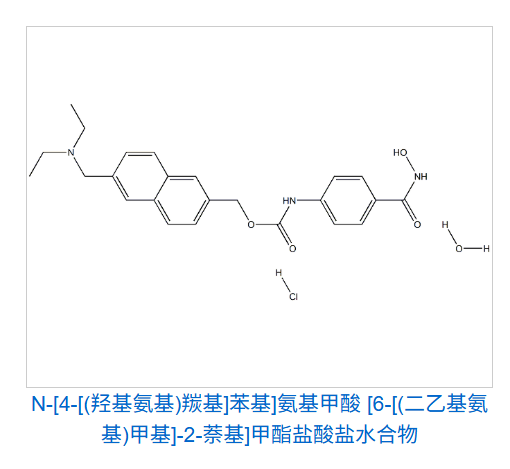
![6,8-Dioxo-5,7-diazaspiro[3.4]octane-2-carboxylic acid](https://eimg.pharmasources.com/image/product/20250403/02effeb5a7639bc84ff1f3add3c0c64fjpg)
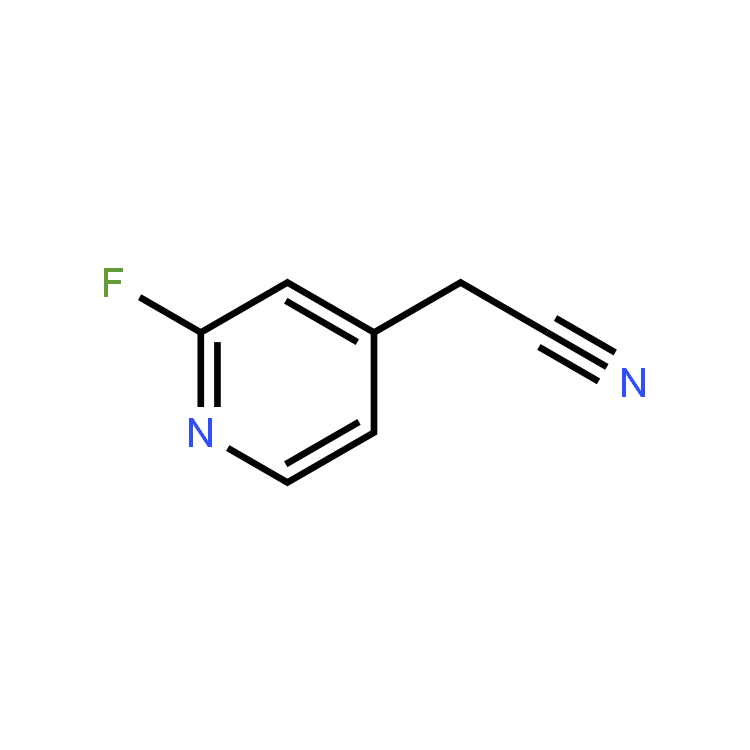
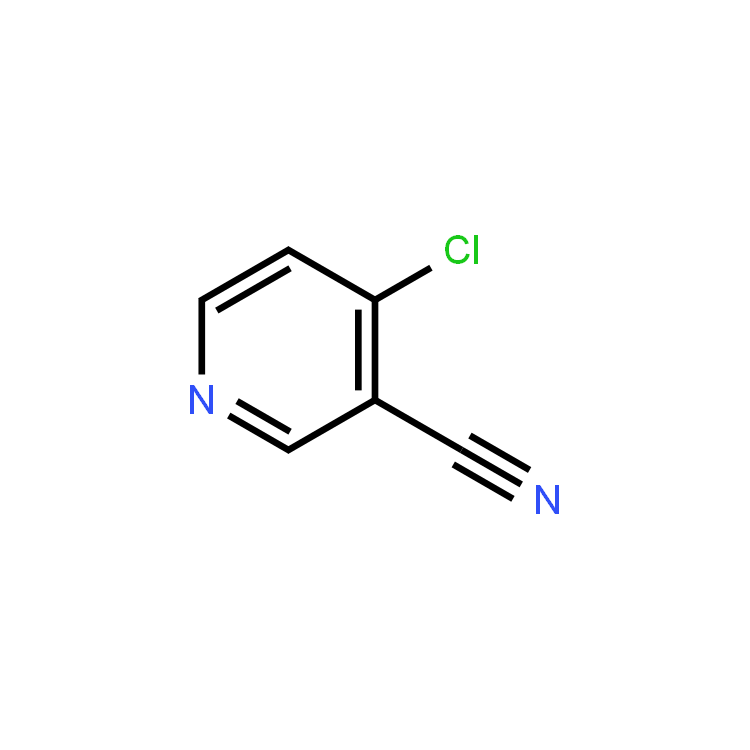
![8-Oxa-1,3-diazaspiro[4.5]decane-2,4-dione](https://eimg.pharmasources.com/image/product/20250403/60fa7223d5a34f24138486ceea0ffb15jpg)
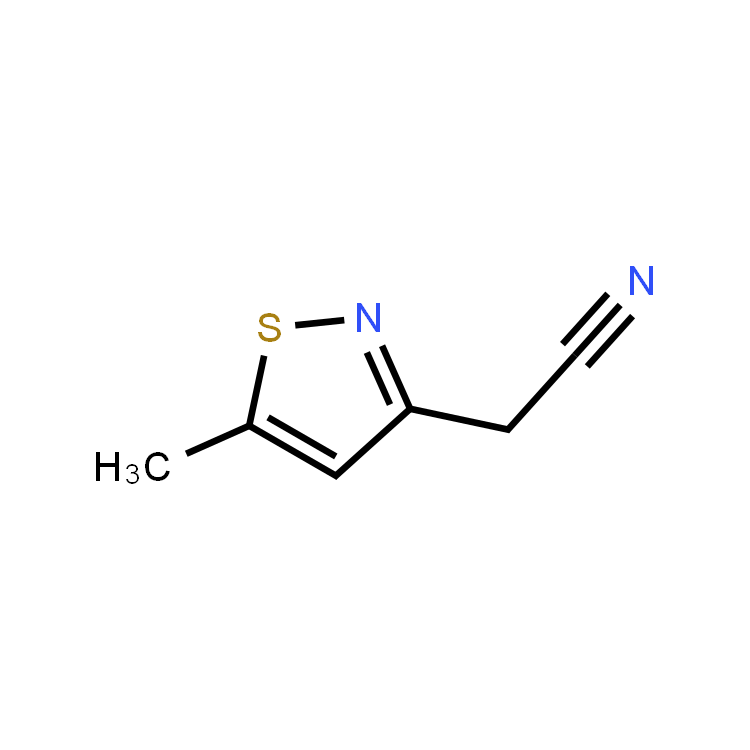
![8,16-Diazadispiro[6.1.6.2]heptadecan-17-one](https://eimg.pharmasources.com/image/product/20250403/ca91cba8b87e53fc879f8d8764873a40jpg)



 (All Rights Reserved)