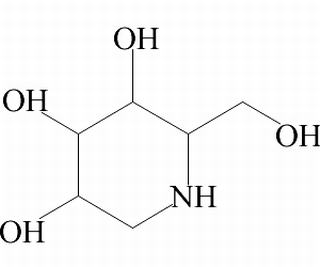
1 - deoxidization wild tajiri toxin belongs to powerful alpha glycosidase inhibitor, absorption is better than that of acarbose;
Conversion of inhibition of the human body sugar, reduce fasting blood glucose and postprandial blood glucose rise superior to sulfonylureas, and the possibility of a low blood sugar and other side effects is much lower than other drugs fall blood sugar, good security;
Use of this product can not change the normal diet.
*The following content is generated by AI and is for reference only.
1-Deoxynojirimycin (DNJ), chemically known as 1-deoxy-D-galactonojirimycin, is a potent natural polyhydroxylated alkaloid primarily isolated from the leaves of mulberry trees (*Morus alba*) and various other plants. Its molecular formula is C6H13NO4, and it carries the CAS Registry Number 20879-51-8. Structurally, DNJ is a pyrrolidine derivative that closely mimics the transition state of glucosidic bond hydrolysis, acting as a highly specific competitive inhibitor of alpha-glucosidases and alpha-amylase enzymes. This unique biochemical property underpins its significant therapeutic potential in managing carbohydrate metabolism disorders.
In the pharmaceutical sector, DNJ is widely recognized for its ability to lower postprandial blood glucose levels by delaying the digestion and absorption of complex carbohydrates in the small intestine. Consequently, it serves as a valuable lead compound or active ingredient in the development of anti-diabetic agents, offering an alternative to conventional drugs like acarbose with potentially fewer side effects. Beyond diabetes management, research indicates promising applications in treating viral infections, particularly HIV and Hepatitis C, due to its capacity to inhibit viral glycosylation processes essential for pathogen replication. Furthermore, emerging studies suggest its efficacy in combating certain lysosomal storage diseases and metabolic syndromes associated with obesity.
The compound is also extensively utilized in agricultural biotechnology and functional food industries. Extracts rich in DNJ are marketed as dietary supplements to support glycemic control and weight management. In agriculture, it plays a role in protecting crops against pests and enhancing plant stress resistance. As a naturally occurring substance, DNJ is generally regarded as safe when consumed within recommended limits, making it a versatile molecule bridging traditional herbal medicine and modern pharmacological innovation. Ongoing clinical trials continue to explore its full spectrum of biological activities, solidifying its status as a critical bioactive agent in global health strategies aimed at combating metabolic and infectious diseases.




 (All Rights Reserved)