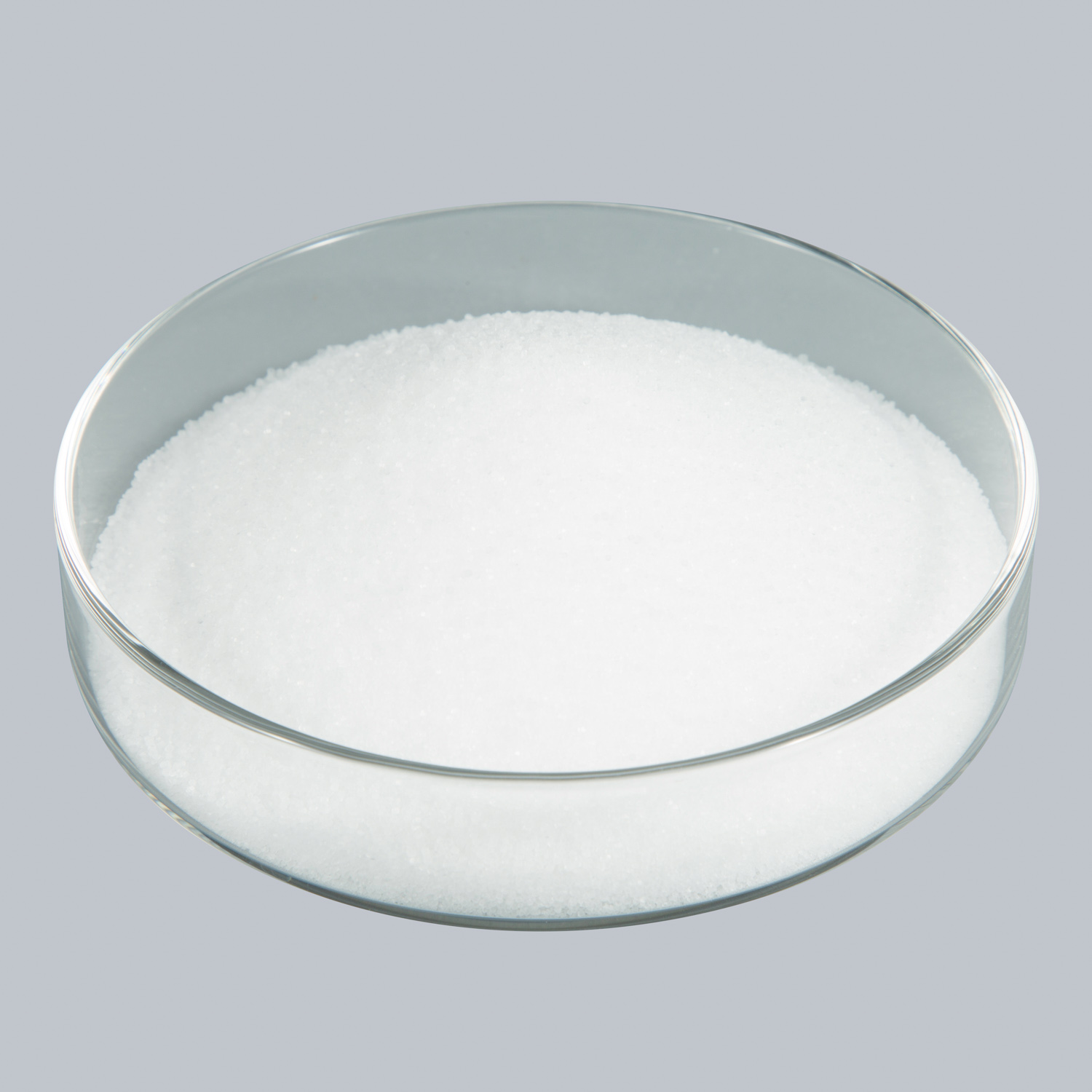
Product Description
- Cat. #: APC-537
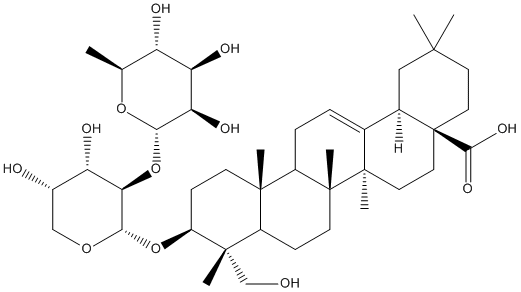
- Product: α-Hederin
- CAS No.: 27013-91-8 (123350-57-2)
- Molecular Formula: C41H66O12
- Molecular Weight: 750.96
- Specification: 98%min
- Availability: In Stock
- Grade: R
AI Product Description
*The following content is generated by AI and is for reference only.
Alpha-Hederin, chemically known as (3β-hydroxy-20(29)-ursen-28-oic acid 3-O-β-D-glucopyranoside), is a bioactive triterpenoid saponin isolated primarily from the roots of *Hedera helix* (English ivy) and other *Hedera* species. Its molecular formula is C₃₅H₅₆O₉, with a precise molecular weight of approximately 616.8 g/mol. The Compound Registry Number (CAS) for Alpha-Hederin is 471-85-4. This natural product is characterized by its potent hemolytic activity, which stems from its ability to interact with cholesterol in cell membranes, disrupting membrane integrity. Beyond this fundamental biological property, Alpha-Hederin has garnered significant attention in pharmaceutical research for its diverse therapeutic potentials. It exhibits strong anti-inflammatory effects, often inhibiting key inflammatory mediators such as nitric oxide and prostaglandins, making it a candidate for treating chronic inflammatory conditions. Furthermore, studies suggest promising antiviral properties, particularly against enveloped viruses, where it may interfere with viral entry or replication mechanisms. In the realm of oncology, preliminary investigations indicate that Alpha-Hederin possesses cytotoxic activity against various cancer cell lines, potentially inducing apoptosis through mitochondrial pathways. Additionally, its role as a mucolytic agent is well-documented; it facilitates the clearance of respiratory secretions, supporting its traditional use in herbal remedies for coughs and bronchitis. While effective, its narrow therapeutic index requires careful formulation and dosage control to mitigate potential toxicity associated with high concentrations. As a valuable scaffold in medicinal chemistry, Alpha-Hederin continues to inspire the development of novel drugs targeting inflammation, infection, and malignancy. Researchers are actively exploring semi-synthetic derivatives to enhance efficacy while reducing adverse effects, ensuring its continued relevance in modern pharmacological applications and natural product discovery.





 (All Rights Reserved)