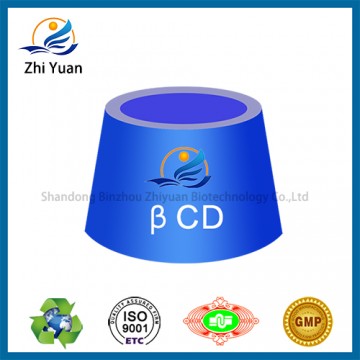
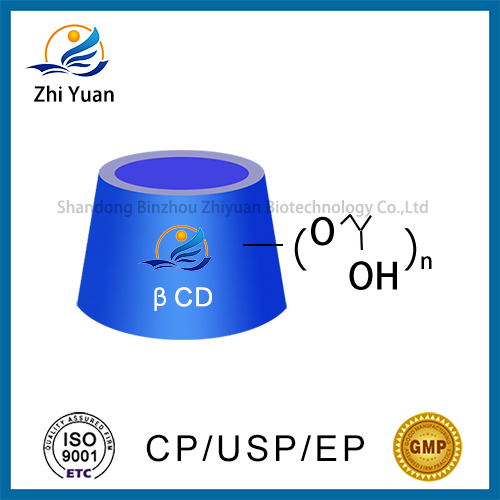
β-Cyclodextrin is a cyclic polysaccharide composed of seven units of glucose (α-D-glucopyranose) linked by α-(1,4) type bonds. β-Cyclodextrin has often been used to enhance the solubility of drugs. β-Cyclodextrin has anti-influenza virus H1N1 activities.
Description
β-Cyclodextrin is a cyclic polysaccharide composed of seven units of glucose (α-D-glucopyranose) linked by α-(1,4) type bonds. β-Cyclodextrin has often been used to enhance the solubility of drugs. β-Cyclodextrin has anti-influenza virus H1N1 activities.
In Vitro
β-Cyclodextrin (Beta-cyclodextrin; β-CD) is a cyclic polysaccharide composed of seven units of glucose (α-D-glucopyranose) linked by α-(1,4) type bonds, which presents a hydrophilic external surface and a hydrophobic internal cavity[1]. In the pharmaceutical industry, β-Cyclodextrin (β-CD) has often been used to enhance the solubility of drugs, such as indomethacin, naringin, celecoxib, and citric acid.







 (All Rights Reserved)