
1. Hypoglycemic effect of yam mucilage and polysaccharides can stimulate and regulate the human immune system, lower blood sugar, enhance human resistance. Research results show that yam has a certain anti-diabetic effect, may be related to increase insulin secretion, improve the function of damaged pancreatic beta cells.

2. anti-aging, antioxidant effect of research found that Huaiyang yam anti-free radical activity and the content of polyphenolic components in the extract has a certain correlation. The study also found that yam saponin has a strong ability to scavenge hydroxyl radicals: has a strong Fe3+ reducing ability, with the increase in concentration of reducing ability is also enhanced, but not as much as the same concentration of vitamin C reducing ability.
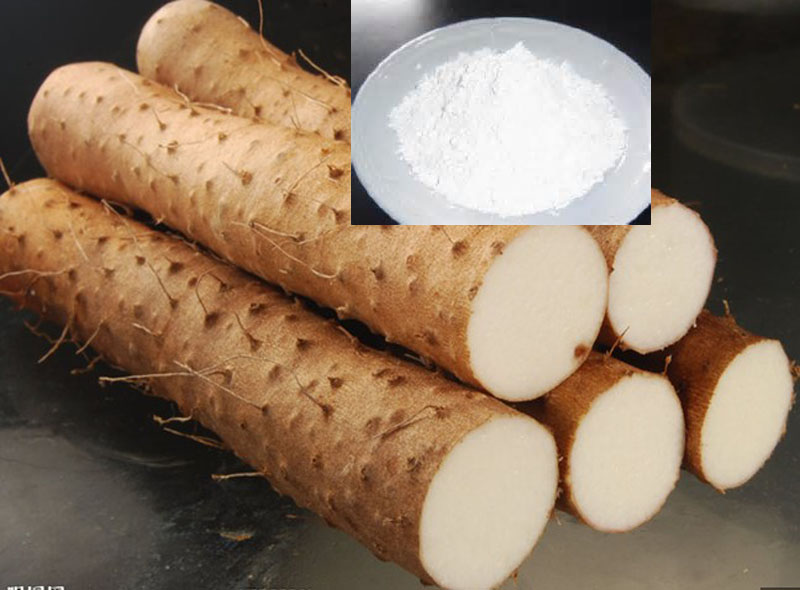
3. immunomodulatory effect of yam extract immunomodulatory effect is mainly related to polysaccharides.
4.Regulate the function of spleen and stomach yam has the effect of tonifying the middle and benefiting the qi, and has the effect of regulating the function of spleen and stomach. Shen Jingen et al. found that the anti-ulcer effect of fresh yam extract may be related by improving the quality of mucus layer and increasing the serum EGF content.
5.Anti-tumor and anti-mutagenic effects proved that the anti-mutagenic effects of yam active polysaccharides were mainly achieved by inhibiting the mutagenic effects of mutagens on strains.
6.Lipid-lowering effect of yam purified starch fed to atherosclerotic mice can reduce their lipid concentration, and to mice fed free cholesterol and cholesterol-containing food, yam can reduce their cholesterol concentration.
7. other effects in addition, research shows that yam also has the prevention of liver damage, antibacterial other effects.
Third, the efficacy and combination of yam extract
The main varieties of yam are Dioscorea opposita, Ginseng yam, Brown yam, Yam, Wild yam, Japanese yam, Japanese Yamato Nagayo, alias: Yam, Wai yam, Huai yam, Tu yam, Yam, Yu yan. Those who plant it are called home yam, wild white yam is called wild yam; Chinese herbs are called Huaiyama, Huaiyam, Huaiyam, etc.
Because of its rich nutrition, it has been regarded as a good and inexpensive tonic for the weak since ancient times, and can be used as a staple food and a vegetable, and can also be made into a snack such as sugar gourd.
It is also a good way to get the most out of your life. It belongs to the spleen, lung and kidney meridians.
Functions and Indications: Nourishes the spleen and stomach, generates fluid and benefits the lung, tonifies the kidney and astringent essence. Used for spleen deficiency, diarrhea, lung deficiency, asthma and cough, kidney deficiency, spermatorrhea, dysmenorrhea, urinary frequency, deficiency heat and thirst. Bran fried yam tonifies the spleen and strengthens the stomach. It is used for spleen deficiency, diarrhea, loose stools and excessive leucorrhea.
The two main types of yam cultivated in China are common yam and field yam. The tubers of common yam are small, among which the yam produced in the ancient Huaiqing Province (present-day Jiaozuo, Henan Province, including Mengzhou, Boai, Qingyang, Wuzhi, Wenxian and other counties) is particularly famous and valuable, and is customarily called "Huai yam", which is known as "Huai ginseng" and is the most famous in China.
Now there are three places in China that have applied for national geographical indication protection, one is "Iron Stick Yam" which is produced in Jiaozuo, Wen County and Mengzhou, Henan Province; one is "Chenji Yam" which is produced in Chenji Town, Heze City, Shandong Province, including "Chicken skin brown yam" and "Xishi seed yam".
The effect of yam is to strengthen the spleen and lung, benefit the stomach and kidneys, strengthen the kidneys and sperm, clear the ears and eyes, help the five organs, strengthen the muscles and bones, long will and tranquilize the mind, prolong life, used for weak...

























 (All Rights Reserved)