

What is a DHS?
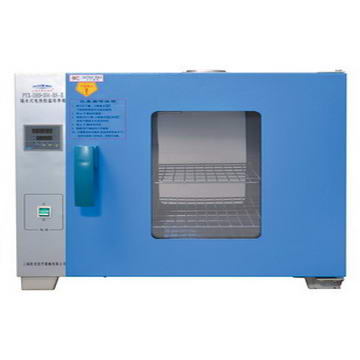
Dry Heat Sterilizer - DHS is an equipment used to sterilize items using hot air as a medium. The hot air at high temperatures is continuously circulated inside the chamber. When it comes in contact with the objects inside, it kills microorganisms, spores, viruses, bacteria, and other harmful bodies.
DHS is used to sterilize objects that are sensitive to moisture and can provide temperatures around 250⁰C enough temperature to kill harmful objects. Like an autoclave, the standard sterilization temperature is preset and cannot be changed.
If temperature change is required, it can only occur after thorough tests and validation studies.
DHS consists of many sub-components that individually perform different functions to collectively sterile the items inside. It includes
Heater - The heater is used to heat the air flowing into the chamber, increasing the chamber’s temperature.
Chamber - The chamber is a part where items to be sterilized are placed.
Blower - A blower, driven by motor is used to generate airflow. When the hot airflow flows into the chamber, it raises the temperature used for Sterilization.
Like an autoclave, DHS performs Sterilization in three stages: pre-, Sterilization, and post-heat.
Pre - Heat stage is the initial stage used to increase the chamber temperature to facilitate the sterilization process. In this stage, hot air is continuously blown into the chamber. This stage continues until sterilization temperature achieved inside the chamber.
After this stage, he DHS shifts to the sterilization phase automatically
In the Sterilization stage, the temperature is maintained for a specified period. This is achieved by activating a timer. The value of the timer is preset and depends on the product and process requirements determined through validation studies.
When the timer elapses, the DHS shifts to –post - heat cycle.
In the Post - Heat stage, the chamber is cooled by blowing air into it. The heaters are turned – off, and only the blower operates. The primary purpose of this cycle is to cool down items and chamber for easy handling.
This stage continues for a specific low temperature, which is also preset. When this low temperature is achieved, the DHS automatically shuts down, and items can be offloaded for further processing.
It is necessary and critical to monitor & record sterilization temperature for its efficiency during Sterilization. The Sterilization can be monitored by
Temperature sensors, that are placed strategically throughout the chamber. They indicate the degree to which the temperature has been achieved at every corner & part of the DHS.
Biological indicators that indicate the killing of certain microorganisms and verified through biological testing and incubation. The organism can only be killed when specific requirements are met, which are only at certain temperatures.
What can go wrong if DHS is selected wrongly
Some possible problems if a DHS is selected wrongly include
The Sterilization will not be performed effectively, resulting in process & product damage. In some cases, the product is recalled from the warehouse or market due to un – safe product characteristics
The selected DHS will not fulfill current production requirements
Quality and regulatory bodies will object to its design, and all the costs will end up loss
Some guidelines for selecting a DHS
Let’s discuss some design parameters to consider when selecting a DHS.
Commercial scale vs. Lab scale
Like other equipment, Dry Heat Sterilizers are used for both production and laboratory for different purposes. In contrast to the production department, the laboratory's scale of ...






























 (All Rights Reserved)