
On October 7, 2024, CSPC Pharmaceutical Group Co., Ltd entered into a significant collaboration agreement with AstraZeneca, creating quite a stir in the pharmaceutical industry. Let's delve into the potential outcomes of this partnership and explore the sparks it might ignite.
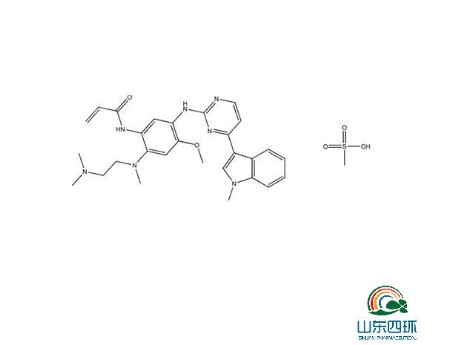
Osimertinib for Lung Cancer
In the field of lung cancer treatment, CSPC and AstraZeneca have achieved remarkable results by combining a humanized EGFR monoclonal antibody with AstraZeneca’s leading lung cancer product, Osimertinib, specifically targeting non-small cell lung cancer (NSCLC) with EGFR exon 20 insertion mutations (EGFR ex20ins). The related research data published in Nature Communications has garnered widespread recognition from the international academic community. Currently, a pivotal Phase II single-arm study is being conducted smoothly, producing promising clinical data, and is on track for a rapid submission for market approval.
Building on these successful collaborative outcomes, representatives from both companies have signed an agreement to continue their partnership into the Phase III confirmatory study for this indication. Chen Kangwei, General Manager of AstraZeneca China Oncology Division, stated that this strategic collaboration leverages the strengths of both companies in R&D, facilitating the introduction of more innovative drugs to meet unmet medical needs. Xiang Anbo, President of CSPC’s Clinical Division, also expressed hope that this successful experience could be replicated across different product pipelines, addressing global medical challenges, including but not limited to lung cancer. Moreover, a strategic framework agreement was signed to gradually explore comprehensive cooperation in oncology, contributing to human health.
Cardiovascular Small Molecule Drug Development
In the cardiovascular space, AstraZeneca and CSPC have reached an exclusive licensing agreement to advance a preclinical innovative small molecule lipoprotein (a) [Lp (a)] inhibitor. AstraZeneca will receive CSPC's preclinical candidate small molecule drug YS2302018, an oral Lp (a) inhibitor, to develop new lipid-lowering therapies, either as standalone treatments or in combination therapies, including with the oral small molecule PCSK9 inhibitor AZD0780.
Under the terms of the agreement, CSPC is entitled to a USD 100 million upfront payment. Additionally, CSPC is eligible for up to USD 1.92 billion in development and commercialization milestone payments and tiered royalty payments. This drug holds the potential to offer significant benefits for patients with dyslipidemia and strengthen AstraZeneca's cardiovascular portfolio. Elevated plasma Lp (a) levels and LDL cholesterol are critical risk factors for cardiovascular disease, estimated to cause 2.6 million deaths globally each year. Despite the availability of various treatment options, the global burden of dyslipidemia continues to rise, with over 70% of atherosclerotic cardiovascular disease (ASCVD) patients not achieving their LDL cholesterol targets. Thus, there is a significant unmet need in high-risk patients. This collaboration is expected to provide more effective treatment options for cardiovascular disease patients, opening up promising future cooperation opportunities.
Exploration of Potential Collaborative Areas and Mechanisms
Beyond the established and planned collaborations in the lung cancer field, the parties have signed a strategic framework agreement to gradually explore comprehensive collaboration in oncology. This means they will extend their collaborative efforts beyond lung cancer to other tumor types. In the field of gastrointestinal tumors, such as gastric and colorectal cancers, the two companies could leverage their technological advantages and R&D resources to develop drugs targeting specific tumor cell targets. For HER2-positive gastric cancer patients, there could be efforts to develop more effective targeted therapies. In colorectal cancer, therapies targeting common mutations such as KRAS, NRAS, and BRAF may be developed. In hematological malignancies like leukemia and lym...


























 (All Rights Reserved)