
What does active peptide mean
Active peptide (English), Chinese Pinyin (Chinese Pinyin). Active peptide is the general name of more than 1000 kinds of peptides (such as soybean peptide, deep sea fish skin peptide, sea cucumber peptide, etc.) is one of the active peptides.
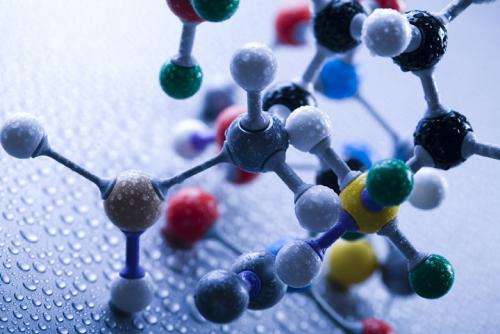
Peptide is a compound with two or more amino acids linked by peptide bond. It plays a key role in human body and plays a physiological function. Active peptides are called bioactive peptides, also known as bioactive peptides or bioactive peptides.
What is the function of active peptides
Small peptides are used as media and vehicles in plants to transmit the nutrients that people usually eat to each position of the human body and give full play to their role; small peptides act as transmitters in plants to transmit information; small peptides have strong activity and diversity, which can regulate human physiological functions in an all-round way and improve human physiological activities; Peptides can not only show the nutritional elements needed by human growth and development, but also have unique biological effects. They can prevent thrombosis, high blood fat, high blood pressure, prevent aging, anti fatigue, improve human immunity, and promote the absorption of protein, vitamins, amino acids, calcium, iron, zinc, selenium, magnesium, copper and other beneficial nutrients to human body; Some small peptides have key physiological functions that are not found in original food proteins or other amino acids.
Compared with amino acid transport, the small peptides in bioactive peptides have the characteristics of rapid absorption, low consumption and unsaturated fat. Scientific and technological circles and medical circles can use its characteristics to supplement nutrition for some groups under unique conditions, such as wound healing period, recovery period and human body reduction period after operation; patients with high mental pressure, overwork and loss of appetite; those who have chemical compounds, heavy metals, radioactive source storage, residual agricultural drugs, long-term chemical drugs and Chinese herbal medicines, and gastrointestinal imbalance caused by digestive system hazards; Those who have a large amount of exercise and labor intensity and need to fill the nitrogen source immediately, but can not improve the gastrointestinal function pressure; those who can't eat because of diseases and disorders of the digestive system; the infants whose digestive organs have not developed perfectly, and the elderly whose digestive function begins to decline. The small peptides in bioactive peptides can obviously promote the growth of lactic acid bacteria, Streptococcus bifidus and yeast in human body, which is of great significance for the digestion of food nutrition.
1. New products of modern immunity: bioactive peptides (small peptides), such as "three nine protein peptides", which play a key role in SARS, have the function of strengthening human immunity, playing a role that peptide drugs in the past could not cope with the contemporary virus. It can resist bacteria and contemporary viruses. After blocking SARS cells from entering the human body, it can imitate the viewpoint of protein on the surface of the virus and carry out "competition" with the virus, thus blocking the way in which the virus infects cells. Therefore, this polypeptide is the natural enemy of modern virus and the best product of modern immunity. The peptide can also stimulate the phagocytosis of macrophages and inhibit the growth of tumor cells.
2. Neuropeptides in peptides can relieve pain and regulate the body's mentality, inspiration, pulse rate and body temperature. Unlike ordinary analgesics, neuropeptides go through digestive organs and enter the human body without any side effects.
3. Hypolipidemic peptide, it is through the inhibition of ACE activity to complete the antihypertensive effect, to achieve the goal of treatment of hypertension.
4. Active pe...


























 (All Rights Reserved)