
On January 7, Pfizer announced that it would stop development of all current new drugs for Alzheimer’s disease and Parkinson's disease, and lay off 300 employees in the next months.
On January 9, Takeda Pharmaceutical announced that it reached strategic cooperation with Denali, to jointly develop therapies for neurodegenerative diseases, with the total amount to exceed USD 1 billion, including 2 Alzheimer’s disease projects.
On January 10, Xinhua Pharmaceutical announced that it entered into the contract for "development of the innovative drug OAB-14 and preparations for Alzheimer’s disease" with Shenyang Pharmaceutical University, and would pay RMB 100 million for the development of Alzheimer’s disease drugs.

The pharmaceutical giants that entered early in the field have suffered R&D setbacks and quit, but this does not stop other companies from continuing to seek the light of victory.
Introduction
Alzheimer’s disease (AD) is a serious neurodegenerative disease. AD patients are forecast to reach above 115 million by 2050, with the resulting direct social costs second only to cancer treatment. There are only a few AD drugs available clinically. In the face of such huge market demands, pharmaceutical enterprises have been highly enthusiastic about R&D of new drugs for AD, however, the unknown pathogenesis and the disease characteristics lead to new drug R&D failure rate of up to 99%, and the field becomes the hardest-hit area to new drug R&D.
Pharmaceutical enterprises have made great efforts in developing new drugs for AD, however, there have been hundreds of compounds entering the clinical trials over the 15 years after the U.S. FDA approved memantine for AD in 2003, but none of them is approved for marketing, and even many drugs with immense potential suffered crushing defeats in Phase III clinical trials due to serious adverse reactions or insufficient treatment effectiveness. The new drug R&D for AD are highly challenging.
Lucky stars of patients—the approved AD drugs
The AD drugs currently approved include many acetylcholinesterase inhibitors and the memantine that affects the glutamatergic system, which can alleviate some symptoms of AD by strengthening cholinergic signal transduction and improving acetylcholine level, but cannot completely cure the disease or contain the dementia progression.
Drugs Approved for AD Treatment
|
Pharmaceutical product name |
Type of action |
Indication |
Approval time |
|
Memantine |
N-methyl D-aspartate (NMDA) receptor antagonist |
Moderate to severe AD |
October 16, 2003 |
|
Tacrine |
Acetylcholinesterase inhibitor |
Moderate to severe AD |
September 9, 1993 (Removed from market due to severe hepatotoxicity) |
|
Rivastigmine |
Acetylcholinesterase inhibitor |
Mild to moderate AD/PD |
April 21, 2000 |
Read More

Related News
Alzheimer’s Disease: Charting the Course from Plaques to Promise
Muhammad Farhan Khalid May 28, 2025
Working Together to Fight TB and Drug Resistance
lilly February 17, 2017
Flu Vaccine a Pretty Good Match for Viruses This Year: CDC
drugs.com February 17, 2017 You may like
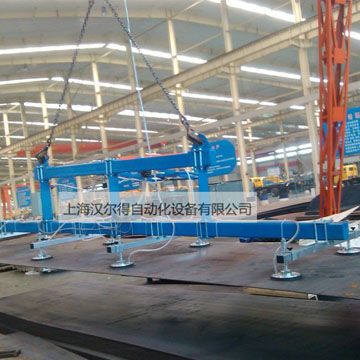
3 tons of aluminum plate vacuum suction cup hanger can set high quality plate suction cup hanger
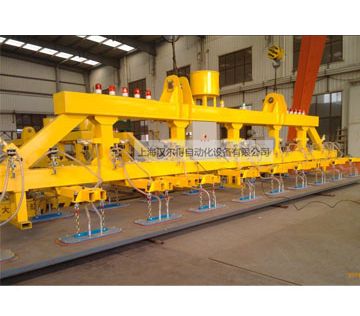
Vacuum suction cup hanger steel plate high temperature aluminum plate suction cup titanium plate and other metal plate suction cup under 30 tons
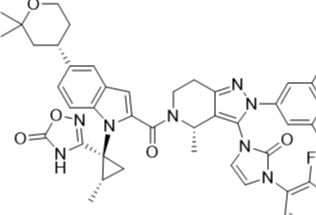
Orforglipron
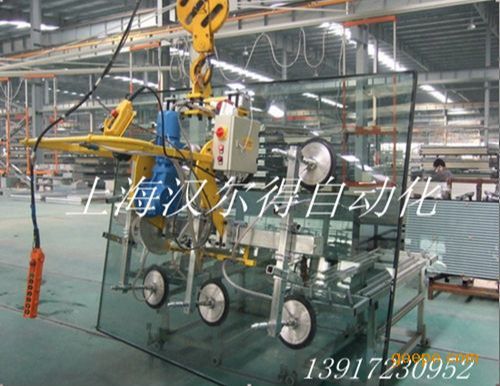
Tempered glass suction cup hanger, glass deep processing handling lifting suction cup, glass 90 degree flip suction crane
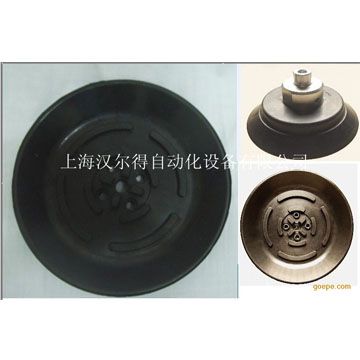
Supply nitrile rubber suction cup HFG-200 vacuum suction cup spreader high temperature suction cup
Get alerted on the PharmaSources E-Newsletter and Pharma Sources Insight E-Compilation! Subscribe
Note: You can unsubscribe from the alerts at any time. Get alerted on the PharmaSources E-Newsletter and Pharma Sources Insight E-Compilation! Subscribe
Note: You can unsubscribe from the alerts at any time. Pharma Sources Insight July 2025: GLOBAL APISOURCING TRENDS

READ ONLINE
DOWNLOAD
Pharma Sources Insight January 2025: What are Reshaping Pharma's Future?

READ ONLINE
DOWNLOAD
Pharma Sources Insight June 2024: Globalization on the Go

READ ONLINE
DOWNLOAD
Pharmaceutical Industry in 2024: Flexible Production, Innovative Drugs and Personalized Medicine

READ ONLINE
DOWNLOAD
PSI April 2023: Innovative Drugs Going Aroad

READ ONLINE
DOWNLOAD
PSI June 2022: New Developments, Greater Imapct

READ ONLINE
DOWNLOAD
PSI APRIL 2022: A Universal Vaccine Against All Variants

READ ONLINE
DOWNLOAD
PSI January 2021: Rolling Out the Vaccines

READ ONLINE
DOWNLOAD
PSI August 2020: The Great Journey or Recovery

READ ONLINE
DOWNLOAD
PSI December 2021: Quantum Revolution in Drug Discovery

READ ONLINE
DOWNLOAD
PSI August 2021: New Medtechs Shaping the Industry

READ ONLINE
DOWNLOAD
PSI April 2021: The Future of Immunotherapy

READ ONLINE
DOWNLOAD
PSI October 2020: Pharma Landscape in China

READ ONLINE
DOWNLOAD
PSI June 2020: A Post-pandemic Future

READ ONLINE
DOWNLOAD
Most popular
The Rise of Biosimilars: Regulatory Pathways and Market Outlook
Nurah Ekhlaque
Sep 19, 2025
Methodology Validation in Chinese Pharmacopoeia 2025: How to Report Accuracy and Precision
Xing Xing
Sep 12, 2025
Digitalization in Procurement: From AI Forecasting to Blockchain Traceability
Saher Haider
Sep 19, 2025
Follow Us


Contact Us
About Us
Buy Service
Sell Service
Follow Us


Copyright 2006-2025
 (All Rights Reserved) (All Rights Reserved)Copyright 2006-2025
(All Rights Reserved) |






