
Since the outbreak of COVID-19 at the end of 2019, it has spread all over the world. Up to now, more than 190 million confirmed cases of COVID-19 have been reported worldwide, and more than 4.11 million patients have died, causing great disasters to all mankind.
For COVID-19, besides speeding up vaccination, it is also very urgent to find a safer and more effective treatment plan. Looking back on the history of influenza in the past century (1918-2020), the real way to protect human society from the impact of influenza is the combination of "influenza vaccine + oral special drugs" -- "prevention and treatment", especially the emergence of oral anti-influenza drugs (oseltamivir, etc.), which enables people to keep normal social activities after being infected with influenza virus by taking their own medicines and simple protection.
For the prevention and treatment of COVID-19, "COVID-19 vaccine + oral anti-COVID-19 drugs" is also a better choice, which is more convenient and lower in social cost. At present, there are many small molecule antiviral candidate drugs in the clinical research stage in the world. Recently, two more drugs and medical supplies products have made new progress, which brings hope for the victory of fighting against the pandemic.
New use of the existing medicine - masitinib
Masitinib is an oral tyrosine kinase inhibitor, which can competitively inhibit the activity of the main protease 3CLpro in SARS-CoV-2, thus inhibiting the replication of SARS-CoV-2.
Vivo experiments in mice showed that masitinib could reduce the SARS-CoV-2 titers in the lungs and noses of mice to less than 1% within 6 days, and relatively mitigate lung inflammation. In addition, masitinib is also effective against COVID-19 α, β and γ mutant strains in vitro.
In this research on masitinib, scientists used the strategy of "new use of the existing medicine" - they first screened 1,900 drugs that have been used in clinic to find drugs that can inhibit common coronavirus infection.
108 drugs stood out and were further used to test their inhibitory ability against SARS-CoV-2. At last, the researchers began to evaluate whether the 20 selected drugs could inhibit the key target of 3CLpro, among which the strongest one was a molecule called masitinib.
Researchers actually evaluated the anti-COVID-19 effect of masitinib in animal models. They used 20 mice expressing human ACE2 receptor to infect SARS-CoV-2 through nasal cavity. After that, these mice were divided into two groups, one received masitinib (25mg/kg, twice a day) and the other received placebo as control.
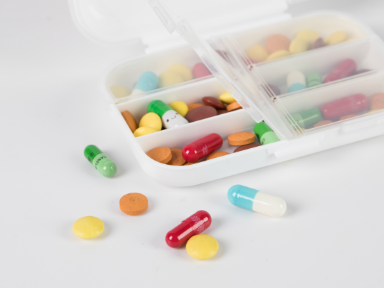
On the sixth day of treatment, the researchers began to analyze the treatment effect, and found that masitinib significantly reduced the virus titers in the lungs and noses of mice, and improved the pathological conditions of the lungs. The survival rate, weight loss and clinical score of mice also improved.
On the whole, the researchers pointed out that masitinib could reduce viral load by more than 99% on the sixth day of treatment. At the end of the paper, the researchers pointed out that masitinib was effective to inhibit the virus, and could reduce lung inflammation and enhance lung function. The effect of this therapy in patients with COVID-19 should be evaluated. From the effect of masitinib, its best therapy window is in the early stage of infection, because it is expected to significantly inhibit the replication of virus and control the disease at the first time. The characteristics of oral administration also make it easier to apply.
In addition, masitinib can be used as a broad-spectrum antiviral drug. Because it not only can effectively inhibit SARS-CoV-2 and its mu...

































 (All Rights Reserved)