

Nonalcholic steatohepatitis (NASH) is a hard to diagnose liver disease, characterized by steatosis, chronic inflammation, and progressive fibrosis that may lead to cirrhosis, liver failure. NASH is also a significant risk factor for the development of hepatocellular carcinoma.
The worldwide prevalence of NASH is expected to increase by 63% between 2015 and 2030. NASH is also likely to be the leading reason for liver transplants.1,2
The lack of appropriate treatments leads to an array of unmet needs in the NASH space. Currently, there are no approved therapies for NASH, and first-line treatment includes lifestyle modifications followed by off-label treatment options such as pioglitazone, vitamin E, and pentoxifylline.
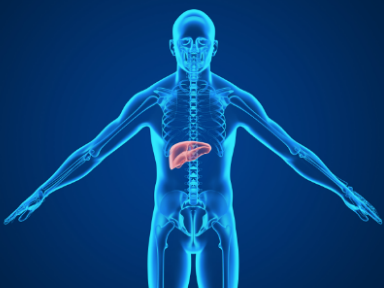
NASH: A Lucrative Market with Opportunities for Years to Come
A rapidly growing patient population combined with the lack of a ground-breaking clinical approach means that NASH will likely be a lucrative market with opportunities for years to come. Companies are focusing on variant patient populations, with drugs having a variety of different mechanisms of action. A snapshot of the various mechanisms utilized by prospective companies is given below:
1. Drugs targeting hepatic fat accumulation
- Farnesoid X receptor agonists - (e.g., Obeticholic acid)
- Peroxisome proliferator-activator receptors (PPAR) agonists - (e.g. Elafibranor)
- ACC (Acetyl-CoA carboxylase) inhibitor - (e.g. Firsocostat)
- Fibroblast growth factor-21 analogs (e.g., Pegbelfermin)
2. Drugs targeting oxidative stress, inflammation, and apoptosis
- Apoptosis signaling kinase 1 (ASK1) inhibitor (e.g., Selonsertib)
3. Drugs focussed on hepatic fibrosis
- CCR2 and CCR5 (Cysteine-cysteine motif chemokine receptor-2/5) receptor antagonist (e.g., Cenicriviroc)
- Galectin 3 antagonist (e.g., Belapectin)
4. Drugs targeting intestinal microbiomes and metabolic endotoxemia
The Race to Market the First Drug
Researchers around the world have been increasingly investigating the most advanced or unique strategies in the race to develop the first-ever treatment for NASH. Various investigational drugs are at different stages of clinical development. Amongst the competing various investigational drugs, some have managed to reach phase III trials and can certainly be addressed as the frontrunners in this race. The list of promising contenders includes Obeticholic Acid (Intercept), Elafibranor (Genfit), Cenicriviroc (Allergan), and Resmetirom (Madrigal Pharmaceuticals).
1. Intercept’s Ocalavia
A farnesoid X receptor (FXR) agonist, obeticholic acid, is currently being evaluated in the phase 3 REGENERATE trial. Intermediate results of phase 3 showed mixed outcomes in fibrosis (F2 F3), which were far below the expected projections done based on phase 2b.
As per the 18-month interim analysis of the REGENERATE trial, obeticholic acid can improve fibrosis in patients with pre-cirrhotic NASH. However, the second endpoint, the NASH resolution endpoint, was not met. Further, the proportion of patients who achieved an improvement in fibrosis (defined as an improvement of one or more stages, with no worsening of NASH) was only modest. Tolerability was also a concern, with reports of adverse events such as a rise in LDL cholesterol and pruritus, which may decrease patient compliance.
2. Genfit’s Elafibranor
Genfit’s Elafibranor is regarded as Ocalavia’s main competitor. Elafibranor is a dual-PPAR alpha/delta agonist and has demonstrated reversal of NASH without worsening of fibrosis in a post-hoc analysis of phase 2 trial data. Elafibranor also demonstrated good safety and tolerance profile. The drug is currently being evaluated in a pivotal Phase III trial RESOLVE-IT, with preliminary data expected in the second half of this year. The safety profile of Elafibranor was further conf...






























 (All Rights Reserved)