
Pharmaceutical product name | Trade name | Company | Target | FDA/NMPA approval time |
Ustekinumab | Stelara | J & J | IL-12/23 | 2009/2019 |
Tildrakizumab | Ilumya | MSD, Sun Pharmaceutical | IL-23 | 2018 |
Certolizumab | Cimzia | UCB | TNF-ɑ | 2008 |
Guselkumab | Tremfya | J & J | IL-23 | 2017 |
Secukinumab | Cosentyx | Novartis | IL-17A | 2015/2019 |
Ixekizumab | Taltz | Eli Lilly | IL-17A | 2017 |
Brodalumab | Siliq | Valeant | IL-17R | 2017 |
Apremilast | Otezla | Celgene | PDE-4 | 2014 |
(Sorted out based on public data. Any supplementation will be much appreciated.)

What needs to be made clear is that apremilast is a small molecule inhibitor of phosphodiesterase-4 (PDE-4) instead of a biological agent. It was approved by the FDA in 2014 to treat adult patients with moderate to severe plaque psoriasis who are candidates for phototherapy or systemic therapy. I put it in the above table because apremilast can significantly inhibit epidermal cell proliferation, reduce epidermal thickness, reduce expressions of human leukocyte antigen-DR and intercellular adhesion molecule on psoriatic lesions, to thus relieve psoriasis symptoms. Its annual sales have exceeded USD1 billion.
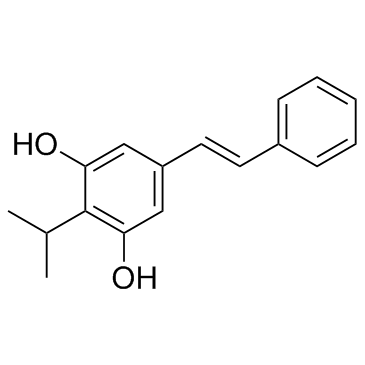
Marketing of benvitimod, a Chinese-produced Class 1 innovative drug
Drugs other than biological agents are also "shining".
The Class 1 innovative drug: Benvitimod Cream has been approved for marketing by NMPA through priority review and approval procedure on May 31, 2019, which is used for local treatment of mild to moderate stable psoriasis vulgaris in adults. Benvitimod is a tyrosine kinase inhibitor which functions by inhibiting T cell tyrosine protein kinase to interfere with/block cytokine and inflammatory mediator release, T cell migr...



























 (All Rights Reserved)