
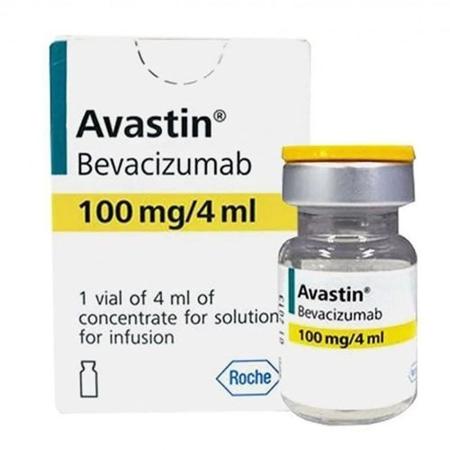
AstraZeneca and MSD Inc., Kenilworth, N.J., US (MSD: known as Merck & Co., Inc. inside the US and Canada) announced positive results from the Phase III PAOLA-1 trial in women with advanced ovarian cancer. The trial, in the 1st-line maintenance setting, compared Lynparza (olaparib) added to standard-of-care (SoC) bevacizumab vs. bevacizumab alone in women with or without BRCA gene mutations.
The trial met its primary endpoint in the intent-to-treat* population with a statistically-significant and clinically-meaningful improvement in progression-free survival (PFS), increasing the time women taking Lynparza plus bevacizumab lived without disease progression or death vs. those taking bevacizumab alone. The results, including biomarker sub-group analyses, will be presented at a forthcoming medical meeting. The safety and tolerability profiles observed in PAOLA-1 were generally consistent with those known for each medicine. PAOLA-1 is the second positive Phase III trial with Lynparza in 1st-line advanced ovarian cancer.
José Baselga, Executive Vice President, Oncology R&D, said: "The positive results from the PAOLA-1 trial demonstrate a clear potential benefit of adding Lynparza to the standard-treatment bevacizumab for women with advanced ovarian cancer. Following positive results from the SOLO-1 trial for women with a BRCA gene mutation, the PAOLA-1 trial marks yet another positive Phase III trial for Lynparza as a 1st-line maintenance treatment for women with advanced ovarian cancer. We look forward to discussing the results with global health authorities as soon as possible."
Roy Baynes, Senior Vice President and Head of Global Clinical Development, Chief Medical Officer, MSD Research Laboratories, said: "The Phase III PAOLA-1 trial demonstrates MSD’s and AstraZeneca’s continued commitment to improving clinical outcomes for women with advanced ovarian cancer. In this co-operative group trial sponsored by ARCAGY Research, maintenance treatment with Lynparza when added to a standard-of-care treatment was evaluated in an environment representative of real clinical practice. By studying Lynparza in this broader patient population, we have learned more about how it may help even more patients with advanced ovarian cancer in the future."
Eric Pujade-Lauraine, Medical Director of ARCAGY Research, said: "The PAOLA-1 trial is a positive example of the strength and promise of academia-industry collaboration in advancing science and new treatment options for patients. We greatly appreciate the commitment of AstraZeneca and MSD in working with academic cooperative groups in ENGOT and look forward to sharing the full PAOLA-1 results at a forthcoming medical meeting."
PAOLA-1 is an ENGOT (European Network of Gynaecological Oncological Trial groups) trial, sponsored by ARCAGY Research (Association de Recherche sur les CAncers dont GYnécologiques) on behalf of GINECO (Groupe d’Investigateurs National des Etudes des Cancers Ovariens et du sein). ARCAGY-GINECO is an academic group specialising in clinical and translational research in patients’ cancers and a member of the GCIG (Gynecologic Cancer InterGroup).
About PAOLA-1
PAOLA-1 is a randomised, double-blind Phase III trial testing the efficacy and safety of Lynparza added to SoC bevacizumab vs. bevacizumab alone, as a 1st-line maintenance treatment for newly-diagnosed advanced FIGO Stage III-IV high grade serous or endometroid ovarian, fallopian tube, or peritoneal cancer patients who had a complete or partial response to 1st-line treatment with platinum-based chemotherapy and bevacizumab. The intent-to-treat* population refers to all patients randomised in the trial.
About ovarian cancer
Ovarian cancer is the eighth most common cause of death from cancer in women worldwide. In 2018, there were nearly 300,000 new cases diagnosed and around 185,000 deaths.(1) Most women are diagnosed with advanced (Stage III or IV) ovarian cancer and have a five-year survival rate of approximately 30%.(2) For newly-diagnosed advanced ovarian cancer, the primary aim of treatment is to delay progression of the disease for as long as possible and maintain the patient's quality of life with the intent of achieving complete remission or cure.(3,4,5,6)
About Lynparza
Lynpa...

































 (All Rights Reserved)