

An important point to appreciate about powders is that they are essentially three-phase systems consisting of solid particles, liquid (often relatively poorly controlled levels of water) and gas, typically air. This is why particle characterisation alone cannot reliably differentiate samples when it is bulk powder behaviour – flowability, for example – that defines value and/or performance. It also highlights the limitations of relatively simple testing techniques which often have poorly defined methodologies and attempt to capture the complexities of powders with just a single number. For example, a promptly analysed sample may exhibit different flowability from an identical sample that has deaerated upon standing if sample preparation does not eliminate such effects. Both values could also be relevant depending on the process of interest.
These issues are discussed in detail in our e-books1 and illustrated in practice by the comprehensive experimental study conducted by researchers at the Pennsylvania State University2 that forms the basis of this application note. This work involved the application of a hydrophobic surface coating to fine aluminium particles and extensive characterisation of the resulting materials. The data illustrate how powder flow properties can be substantially altered, with negligible changes in particle size, and demonstrate the limitations of simple flow measurement techniques for assessing how changes in flowability will impact process performance.
Experimental Method: Application of the Surface Coating
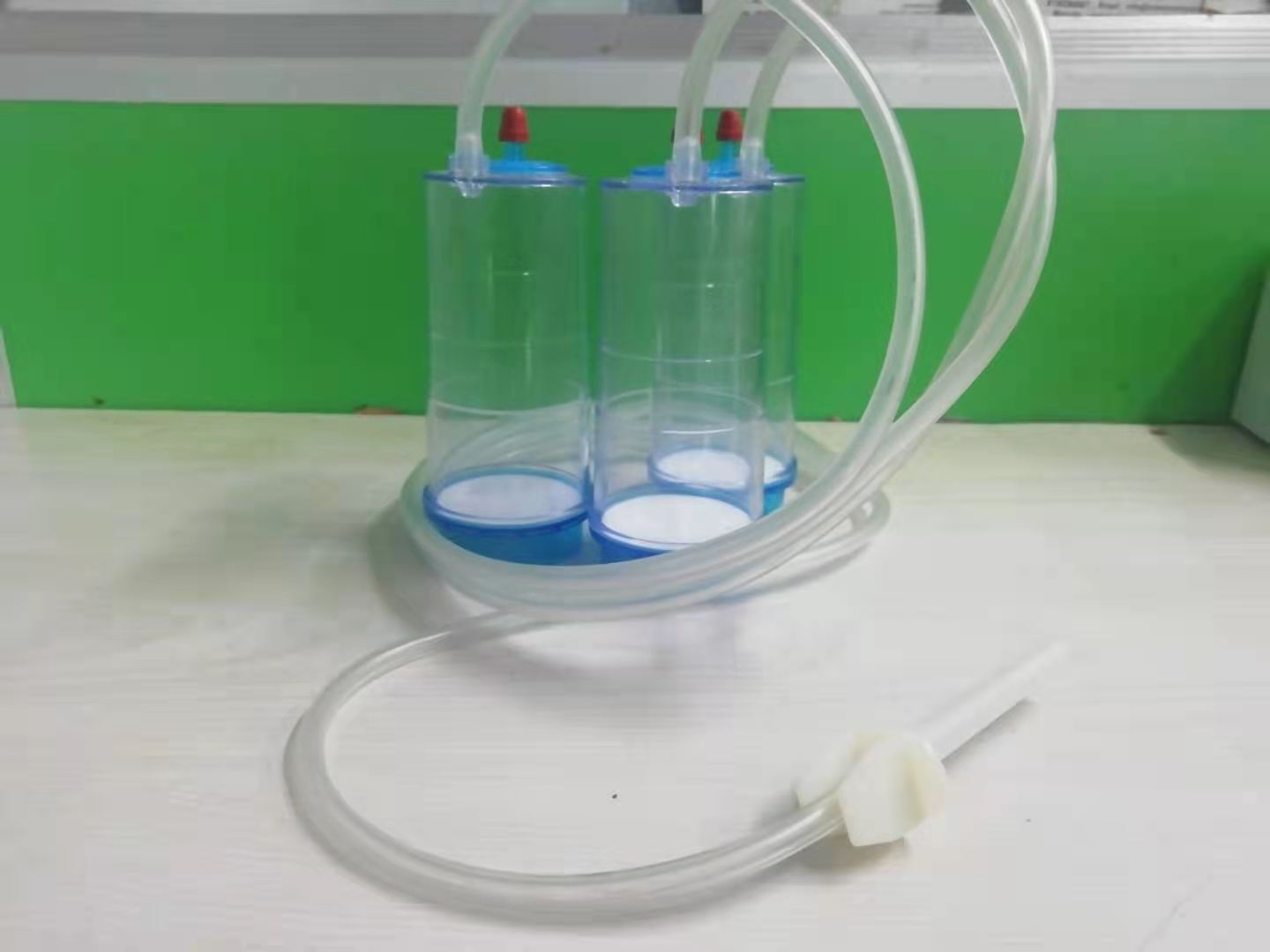
Metallic aluminium powder with a d50 (median diameter) of approximately 20 µm (Lot No. 12-3008; Valimet, USA) was surface treated with a hydrophobic polymer, polydimethylsiloxane (PDMS), via a gas phase deposition process. The PDMS used had terminal hydroxyl groups, an Mn (number average molecular weight) of ~550 g/mol and a viscosity of approximately 25 cSt (Aldrich, USA). Surface treatment was carried out in a simple, in-house fabricated, gas deposition apparatus using ultra-high purity nitrogen as the fluidising gas.
Aluminium powder was loaded into the apparatus in batches of 300g and then held at approximately 100oC for one hour, prior to treatment, to remove physisorbed water; the powder was subsequently maintained at this temperature for the duration of the process. The PDMS was volatilised at around 250oC, mixed with nitrogen and passed over the aluminium powder for a period of approximately 4 hours. The resulting powders were subjected to extensive chemical and physical characterisation. For full details of the deposition procedure and all analyses please see reference 2.
The Impact of Surface Treatment: (1) Particle Size and Shape
Particle size data for the raw and treated aluminium powders (Mastersizer, Malvern Panalytical, UK) indicate that coating has a negligible effect on particle size distribution (see figure 1). Since differences in particle size and/or particle size distribution are a common rationale for changes in flowability this result makes investigation of the impact of surface coating on flow properties particularly interesting.
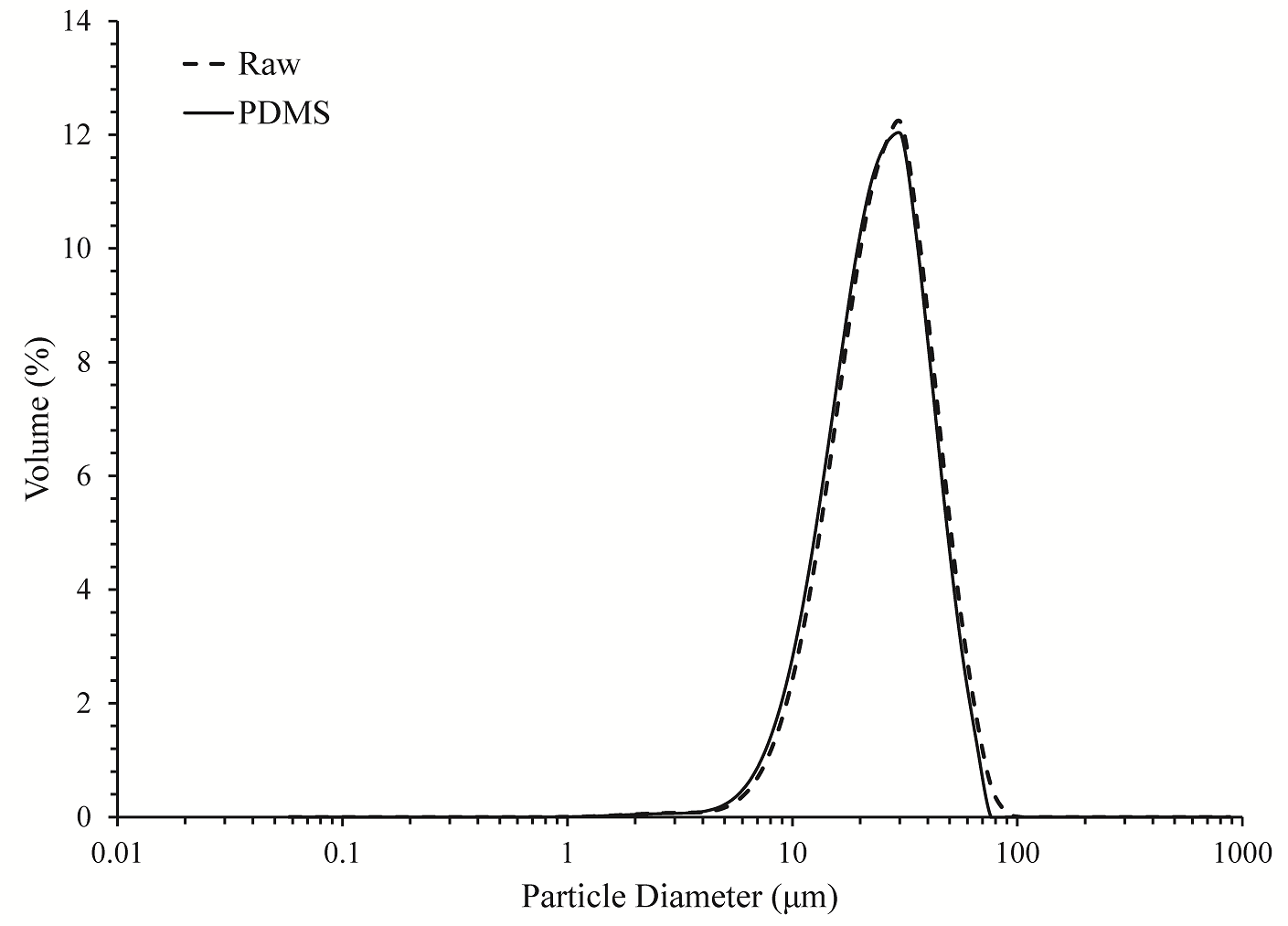
Figure 1 - Surface treatment has negligible impact on the particle size distribution of the aluminium particles
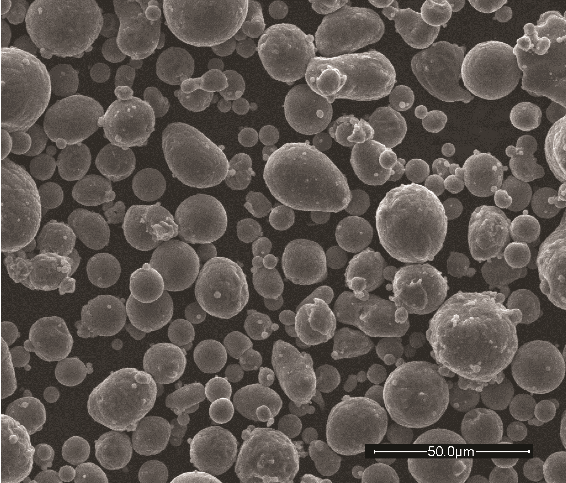
and relativel...


























 (All Rights Reserved)