

Unlike traditional pharmaceuticals, cell therapies are uniquely sensitive to temperature fluctuations, requiring stringent controls throughout the entire distribution process—from manufacturing to patient administration.
We have already discussed the processes of Optimizing Cold Chain Logistics and Advancing Cryogenic Technology for Cold Chain Logistics . In this article, we focus on the key factors that influence cold chain distribution in cell therapy, including temperature stability, packaging and handling challenges, and compliance with regulatory standards.
So, without further ado, let’s get started on the article.
Temperature Thresholds
Effective cold chain distribution of cell therapy products heavily relies on temperature stability throughout their journey from production to patient administration. For instance, gene-modified cell products require storage at -80°C, while cryopreserved cells are often stored at -196°C using liquid nitrogen. These precise temperature settings are critical for preserving cellular integrity and functionality. Research indicates that even minor deviations—such as fluctuations of just a few degrees—can lead to significant cellular degradation or complete product loss, ultimately compromising the efficacy of the therapy.
Challenges in Maintaining Uniform Temperatures
Maintaining uniform temperatures poses considerable challenges in cold chain distribution, particularly during transit. Factors such as transit points, long-distance shipping, and unforeseen delays can severely impact temperature control. For example, a notable case involved a shipment of cellular therapy products that experienced a prolonged delay due to severe weather conditions. As a result, the temperature within the shipping containers rose above the recommended threshold, leading to the deterioration of the cellular products and subsequent financial losses exceeding hundreds of thousands of dollars.
Packaging and Handling Considerations
Cryogenic vs. Ultra-Cold Packaging
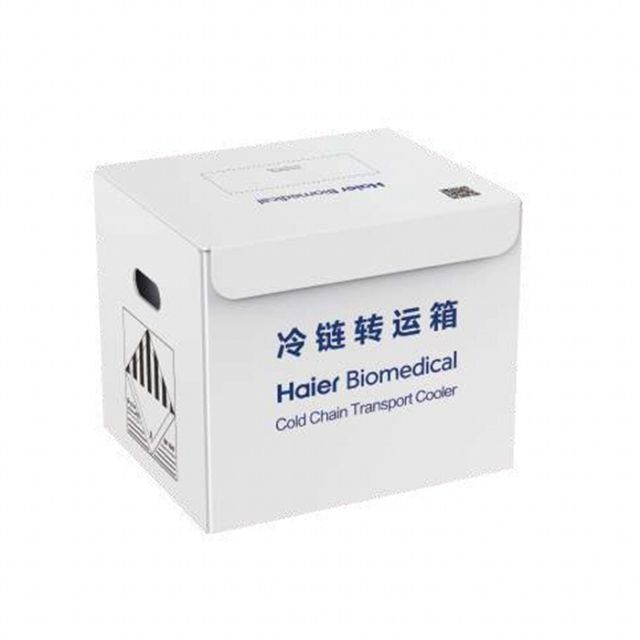
Apart from temperature stability, effective packaging solutions are also pivotal in protecting cell therapy products during transportation.
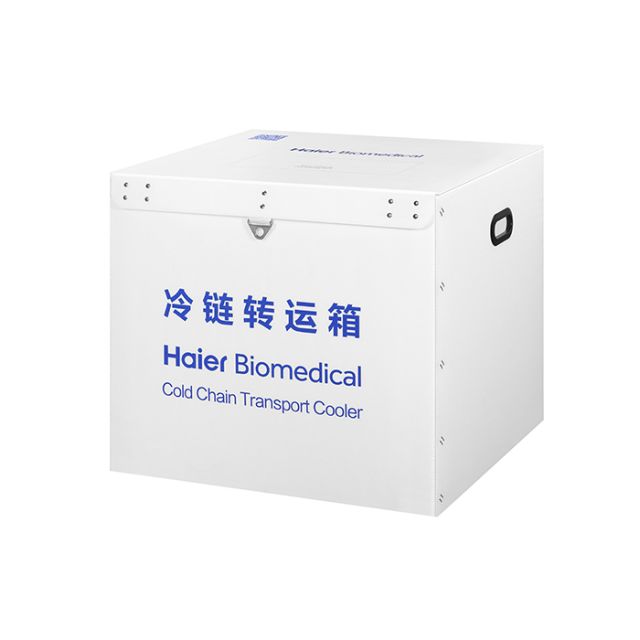
There are two primary types of packaging systems used for cell therapy products - cryogenic containers and ultra-cold mechanical freezers. Cryogenic containers use liquid nitrogen (LN2) to maintain temperature stability and maintain the required -196°C temperature for extended periods.
On the other hand, ultra-cold mechanical freezers, often set to -80°C, may offer more convenience for shorter transport durations but can be less reliable in maintaining temperature during extended shipments.
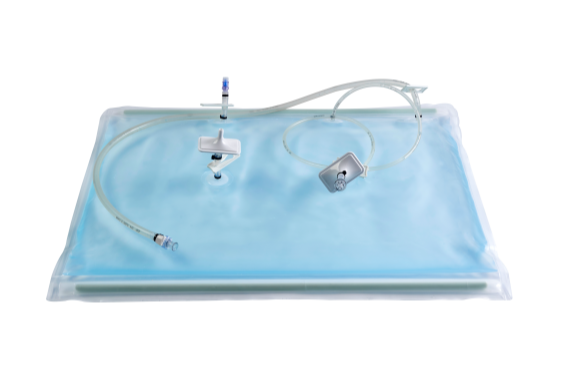
The choice of packaging material and design used here is important for preserving the efficacy of cell therapy products. Advancements such as vacuum insulation and phase change materials can help mitigate risks of temperature fluctuations and minimize the potential for contamination.
Handling Protocols
Following temperature control and packaging, proper handling protocols are yet another key consideration to ensure the integrity of cell therapy products. This is where personnel training comes in.
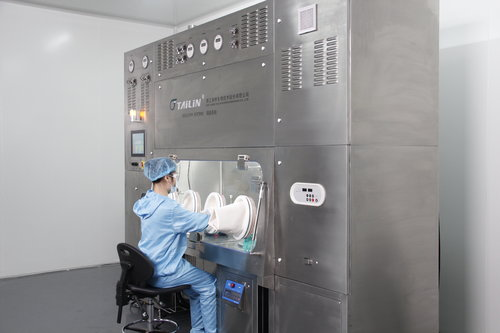
Personnel must be trained in adequate handling of cryogenic and ultra-cold packaging, with key focus on minimizing contamination risks and maintaining aseptic conditions. The training can comprise protocols for safe transport, correct use of personal protective equipment, and understanding the critical nature of temperature stability.
Regulatory Compliance and Monitoring Systems
Compliance with regulatory standards is essential for the distribution of cell therapy products. The most notable global regulatory bodies, including the U.S. Food and Drug Administration (FDA) and the European Medicines Agency (EMA), have established general guidelines that can be...
























 (All Rights Reserved)