

India is one of the top global pharmaceutical producing markets that a large share of the global healthcare systems relies on for supply of drug formulations and biologicals at least until COVID-19 pandemic struck.
The pandemic disrupted India’s pharmaceutical export supply chain with the Directorate General of Foreign Trade (DGFT) halting, albeit momentarily, the exportation of some pharmaceutical products that may have had an impact on provision of health services especially in low and middle income countries such as those in Africa. (1)
For example, in March 2020, India announced a total ban of hdyroxychloroquine and formulations from hydroxychloroquine except in circumstances where the export is in fulfilment of an earlier obligation under advance contract preceding the ban date or where an irrevocable letter of credit had been issued before the export ban notice.
The Indian government also restricted the hydroxychloroquine exports except in a situation where full advance payment had been received by Indian exporters or where the product was destined to other countries on humanitarian grounds but subject to recommendation of the Ministry of External Affairs.
The restrictions on exportation of hdyroxychloroquine and 24 other products was later eased under subsequent notices by DGFT. (2)
Previously, India had placed export restrictions on at least 26 other products including paracetamol and several antibiotics. (3)
The ban was largely to mitigate an unprecedented disruption in production of APIs in Chinese medical supplies and equipment company, which account for nearly 70% of India’s APIs import requirements.
However, the ban by India of Chloroquine and hydroxychloroquine, which had been touted as possible treatment option for COVID-19, was significant to a region such as Africa, where the two products are previous generation anti-malaria treatment drugs, with the region accounting for up to 94% of the global malaria cases and deaths in 2019. (4)
Moreover, Africa remains one of the destination export markets for India’s bulk drugs with the export value in the continent reaching US$ 372.2 million by 2017 according to the Export/Import Bank of India. (5)
Egypt, South Africa are some of the top importers of bulk drugs from India. Egypt’s value of imports by 2017 was valued at US$ 95.9 million, which South Africa had a share of 23.1% of the total bulk imports by African countries.
Meanwhile, South Africa comes third in ranking of importers of India drug formulations, valued at US$ 389 million, with the total imports by the Africa region reaching US$ 2.8 billion at the end of 2017. (5)
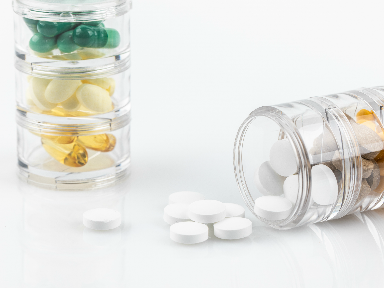
Other big Africa importers of drug formulations from India include Nigeria, the second largest importers with 12.4% share, Kenya (10.4%), Tanzania (6.8%), Uganda (5.0%), Ethiopia (4.9%), Ghana (4.7%), Mozambique (4.3%), Congo D. Republic (3.0%) and Zambia (3.0%), according to the Indian Exim Bank. (5)
Other Indian pharmaceutical products’ export destinations include the US, accounting for share of 86.4% of the Americas market and Brazil with imports valued at US$ 196.5 million by 2017.
But with the raging COVID-19 pandemic, some of India’s top pharmaceutical export destinations in Africa may have been weakened hence unable to mobilize adequate resources for additional medicines as funds are channeled in combating the killer virus.
“Over one third of African countries have reported disruptions to essential health and immunization services throughout the pandemic and the onset of COVID-19 vaccinations,” according to the World Health Organization. (6)
“Two-thirds of these countries reported the reallocation of staff to provide COVID-19 relief as the main driver for the disruptions, but fear of contracting COVID-19 has also led to lower numbers of patients seeking care for other conditions,” said the UN health agency. (6)
A...






























 (All Rights Reserved)