

The raging COVID-19 pandemic has not only confirmed how interdependent the global pharmaceutical industry is but also exposed the danger in Africa’s heavy reliance on pharmaceutical product imports hence mounting pressure on governments in the region to scale up local production of both the Active Pharmaceutical Ingredients (APIs) and drug formulations to support the continent’s health sector.
Africa, with an estimated 375 drug-makers, many of them drug product manufacturers, produces less than 30% of its pharmaceutical requirements and has for long looked up to Europe, China and India for the additional supplies to plug the production deficit. (1)
However, the trend has exacerbated the region’s backward integration in global value chain manufacturing where some countries with capacity to produce certain raw materials for drug making are forced to export the primary materials only to re-import them in processed form because of lack of capacity to manufacture APIs or bulk drugs locally.
Due to the reliance on imports, Africa like the rest of the world suffered shortages when key pharmaceutical markets of Europe, China and India imposed strict measures to contain the spread of COVID-19, including the closure of pharmaceutical manufacturing plants, enforcing social distancing and closure of airspace to commercial flights hence substantially reducing the international pharmaceutical export and import trade.
For South Africa and Ghana, where api pharmaceutical ingredients are produced, the COVID-19 restrictions hampered access to some of the African markets to supply APIs that account for nearly 45% of a drug’s final cost.
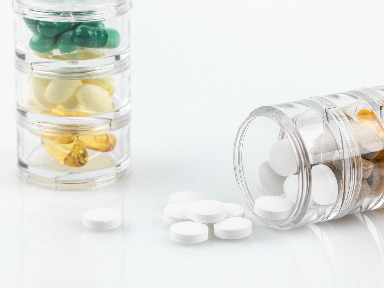
At least five of the top 10 pharmaceutical product importing countries in Africa rely on China for the supply of APIs or bulk drugs while nearly all the 10 markets, including South Africa, Egypt, Morocco, Kenya, Algeria, Ethiopia, Tunisia, Sudan, Tanzania and Nigeria look upon Europe and India for the supply of drug formulations. (1)
The EU accounted for 51.5% of the pharmaceutical imports by the 10 top importers that purchased pharmaceutical products worth US$10.8 billion between 2016 and 2018.
India, which produces nearly 20% of world’s pharmaceuticals and accounts for 2.4% of the exports, and China that topped the global pharmaceutical production chart in 2018 in terms of value, accounting for more than 32% of the entire world pharmaceuticals output, are also among the top sources for Africa’s imports. India accounted for 19.3% of the total pharmaceutical imports by the 10 top African importers countries between 2016 and 2018 while China’s share was estimated at 5.2%.
But in what could likely change Africa’s reliance on imported APIs and drug formulations, the European Investment Bank (EIB) launched in December 2020 a €50 million APIs for Africa, the bank’s first ever-financing scheme focusing on increasing drug manufacturing to improve the continent’s public health sector.(2)
The initiative, which focuses on improving availability of specialist drugs and addressing existing supply chain challenges across Africa, has been launched in partnership with kENUP Foundation, a non-profit public benefit foundation supporting research-based innovation in the health sector, to support the continent’s drive to reduce “dependency on drug imports and address medical supply chain weaknesses linked to COVID-19,” according to Thomas Östros, EIB’s Vice President. (2)
“Accelerating high-impact pharmaceutical investment across Africa is crucial to improve public health, address medical supply chain weaknesses and unlock long-term economic development. COVID-19 has highlighted how public health in Africa is vulnerable to global supply chains and dependent on international production,” added Dr Mariângela Batista Galvão Simão, World Health Organisation Assistant Director- General respo...






























 (All Rights Reserved)