
According to the Journal of clinical dermatology, acne is a chronic inflammatory skin disease that occurs in adolescence and mainly involves the facial hair follicles and sebaceous units.The incidence of acne in the Chinese population is 8.1%.However, studies have found that more than 95% will have various degrees of acne, and 3% to 7% of acne patients will leave scars that greatly affect their physical and mental health.The etiology of acne can be divided into two categories: first, P. acnes proliferation due to exuberant sebum secretion, inflammation due to abnormal keratinization of hair follicle ducts, and second, P. furiosus folliculitis.Propionibacterium acnes is a Gram-positive anaerobic Brevibacterium that parasitizes intracellularly and belongs to the normal flora of the skin, which usually resides in the hair follicles and sebaceous glands of the skin.As the development of adolescents matures, the follicular mouth appears angular plugs, and the secretory function of sebaceous glands is significantly enhanced, which is suitable for the growth and reproduction of P. acnes, and becomes one of the important etiological factors of acne.In addition, several genes of this bacterium produce some enzymes and immunogenic proteins that break down skin tissue, thus aggravating acne.In addition to the acne mentioned above, there may also be folliculitis caused by M. furiosus, and certainly there may also be folliculitis caused by other microorganisms.
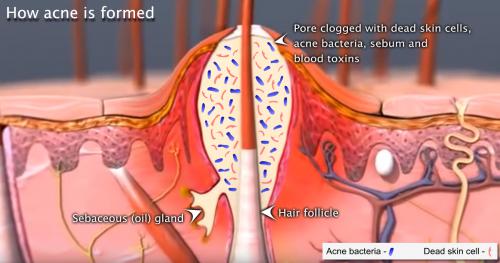
Acnes caused by acne causing microorganisms cross sectional diagram..jpg
Common therapeutic components and their shortcomings
Acnes is generally treated by both internal and external use.Oral intake is preferred in patients with severe acne.Ingredients are mostly tretinoins and tetracyclines that inhibit oil secretion, but have strict indications and should be used under physician guidance.Commonly used topical medications are tretinoin, azelaic acid, and salicylic acid, which can normalize follicular hyperkeratosis and prevent the formation of microanes, and antibiotics such as dexamethasone, clindamycin, and chloramphenicol can be used to reduce the number of proinflammatory microorganisms.In view of this, elimination of acne causing microorganisms is a necessary and indispensable process in the treatment of acne.Antibiotics as primary fungicides, additions are strictly prohibited in cosmetic regulations.Drugs, even when used legitimately, have varying degrees of irritation and require long-term establishment of tolerance, with doubts about potential drug resistance.
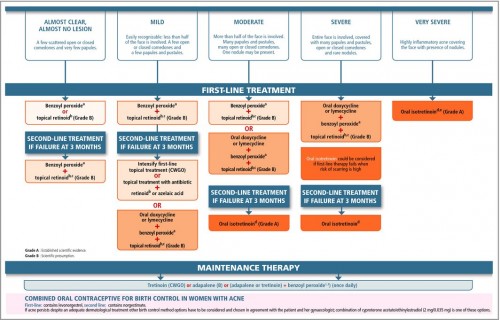
List of common acne guidelines
Important progress has been made in the development of novel anti acne peptides, and the side effects of anti acne products are eliminated
To address the widespread drawbacks of acne products, many national high-technology enterprises began to drill through the area of investigating the application of dermally active peptides for acne treatment.Among them, most attention is paid to active polypeptide complexes named antimicrobial and anti-inflammatory peptides, which were developed by Shenzhen vici pharmaceutical R & D Co., Ltd. Antimicrobial peptides, named in English as wkpepanti acnepeptide, is a novel lipid oligopeptide with anti acne effects developed based on the pathogenesis of acne.Because of its structure as a lipid modified molecular structure, high bioavailability, can be rapidly absorbed by the skin, deep into the root of vaccinia, dissolving the cell membrane of common pox causing microorganisms.Its...

























 (All Rights Reserved)