
Vaccines are among the most effective means of preventing infectious diseases. Vaccines train our immune system to mount a defence against pathogens by creating antibodies. English physician Edward Jenner pioneered the smallpox vaccine that is widely regarded as the world’s first vaccine. Smallpox was once among the world’s deadliest diseases known to man, claiming an estimated 300 million lives in the 20th century. Smallpox raged through India in the mid-1970s, with over 100000 reported cases and at least 20000 deaths. Thanks to vaccination, smallpox was declared eradicated in 1980 by WHO. With COVID-19 now causing widespread disruption and plunging the global economy into the worst recession since World War II, we are once again racing against the clock to roll out mass vaccination. The positive impacts of vaccines are indisputable. We can view the benefits derived from vaccines through different lenses. The health impact is obvious, measured primarily through the reduction of morbidity and mortality. From an economic standpoint, vaccination leads to cost saving in healthcare and productivity gain, among others. Socially, vaccination improves life quality, restores social interaction, and prolongs life expectancy. Healthy individuals are key drivers of our economic and social growth.
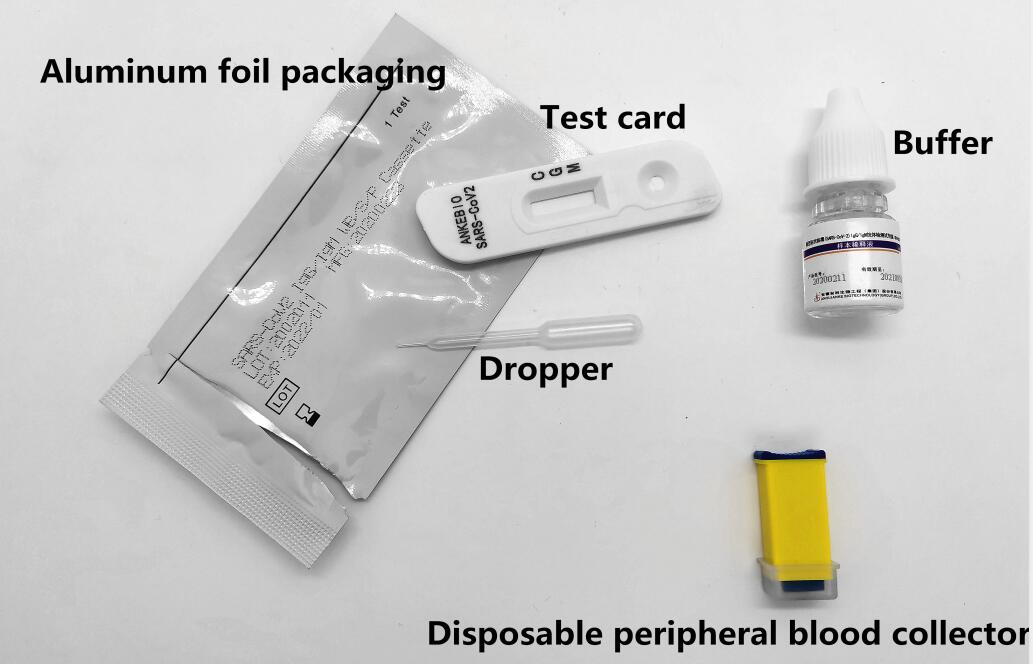
At the start of the COVID outbreak in the UK, I led a downstream processing team to manufacture SARS-CoV-2 spike proteins for the Northern General Hospital and the Royal Hallamshire Hospital in Sheffield to develop a serological test for antibody. The SARS-CoV-2 virus is studded with the so-called spike proteins that it uses to enter the human cells. COVID-19 vaccines that have been approved in the UK and many other countries, such as the Pfizer-BioNTech vaccine, the Moderna vaccine and the Oxford-AstraZeneca vaccine, are all based on the virus’s genetic instruction for making these spike proteins or vaccine antigens. My lab in Sheffield focuses on engineering and manufacturing proteins for industrial and pharma applications, providing the basis for this commentary.
As we are vaccinating our way out of the COVID-19 crisis, I see the necessity to address the question ‘How is a vaccine engineered’. Why should we care? Two reasons. First, ramping up vaccine production is not a trivial task. It requires engineering inputs on multiple fronts, from vaccine design through to vaccine distribution. I salute all my fellow engineers who have contributed to vaccine manufacturing. These unsung heroes deserve to be celebrated for their contribution. Second, we must immediately embark on a journey to ensure future medicine security. Fundamental to this endeavour is training the next-generation engineers to support our pharma manufacturing sector and encouraging more young people into STEM education.
Engineering a vaccine goes far beyond just identifying the right antigen that triggers an immune response and the mechanism of presenting an antigen (the Pfizer-BioNTech vaccine and the Moderna vaccine use mRNA as the genetic instruction for the vaccine recipient’s own cells to produce the vaccine antigens). More often than not, adjuvants are added to a vaccine to boost the immune response to produce more antibodies and longer-lasting immunity, thereby minimising the dosage required. Stabilisers are used to help the vaccine maintain its efficacy during storage. Above all, one needs to consider the manufacturability of the vaccine, i.e., manufacturing with the lowest cost, the highest quality, and the quickest time to ensure stable and sustainable production. Quality control during vaccine manufacturing is integral to vaccine safety. Manufacturing is not complete until the vaccine is bottled into glass vials for cold storage and transport. Successful immunisation programmes are also built upon functional, end-to-end supply chain and logistics systems. V...

































 (All Rights Reserved)