
Over the past 20 years, the diabetes market has gone through significant maturation as a result of increased innovation and modernisation of therapeutic treatments. The market has been a lucrative space for drug developers, as the disease is highly prevalent and patient numbers are expected to continue increasing in the foreseeable future. As a result, the global market size, as indicated by pharma sales, has increased sixfold since 2000, according to GlobalData.
Samisha Khangaonkar, Pharma Analyst, at GlobalData, comments, “In the early 2000s, the predominant diabetes therapeutics were insulins and oral anti-diabetic therapeutics such as metformin, sulfonylureas, alpha-glucosidase inhibitors and thiazolidines. The oral therapeutics dominated the market, accounting for 65 per cent. However, moving into the 2010s, many of these oral anti-diabetic therapeutics become generics, with branded dipeptidyl peptidase (DPP-4) inhibitors and glucagon-like peptide-1 receptor agonists (GLP-1 RAs) making their market debut.”
Jesus Cuaron, Pharma Therapy Director at GlobalData, adds, “Jump ahead to 2020 and oral generic metformin is the most common first-line treatment for type 2 diabetes (T2D). While they have made great strides towards subverting the lines of T2D treatment, GLP-1 RAs and sodium-glucose cotransporter-2 (SGLT-2) inhibitors still face a struggle due to metformin’s clinical profile, reputation and price point. Oral generics accounted for around 15 per cent of the diabetes market in 2020.”
Meanwhile, DPP-4 inhibitor uptake was significant during the 2000s, with uptake increasing from 1.3 per cent of the market to 15 per cent in 2010.
Khangaonkar continues, “In 2015, AstraZeneca’s Onglyza (saxagliptin) and Takeda’s Nesina (alogliptin) had their cardiovascular (CV) risk profiles scrutinized, and the FDA advisory committee voted for a relabelling that reflected the increased risk of heart failure that they carry. Merck’s Januvia (sitagliptin) showed a neutral effect on CV health and Januvia subsequently became the market leader, but the increasing burden of diabetes requires more effective treatments with favorable CV profiles.”
Cuaron continues, “Januvia faces an upcoming patent expiry in 2022, and much of the class has been subject to generic erosion. In addition to the launch of generics, DPP-4s face increasing competition from the rise of GLP-1 RAs and SGLT-2 inhibitors. As such, market share has remained at around 15 per cent.”
In 2010, the GLP-1 RA class was 3.8 per cent of the total diabetes market. First-generation GLP-1 RAs, Novo Nordisk’s Victoza (liraglutide) and AstraZeneca’s Byetta (exenatide), began as daily injectables.
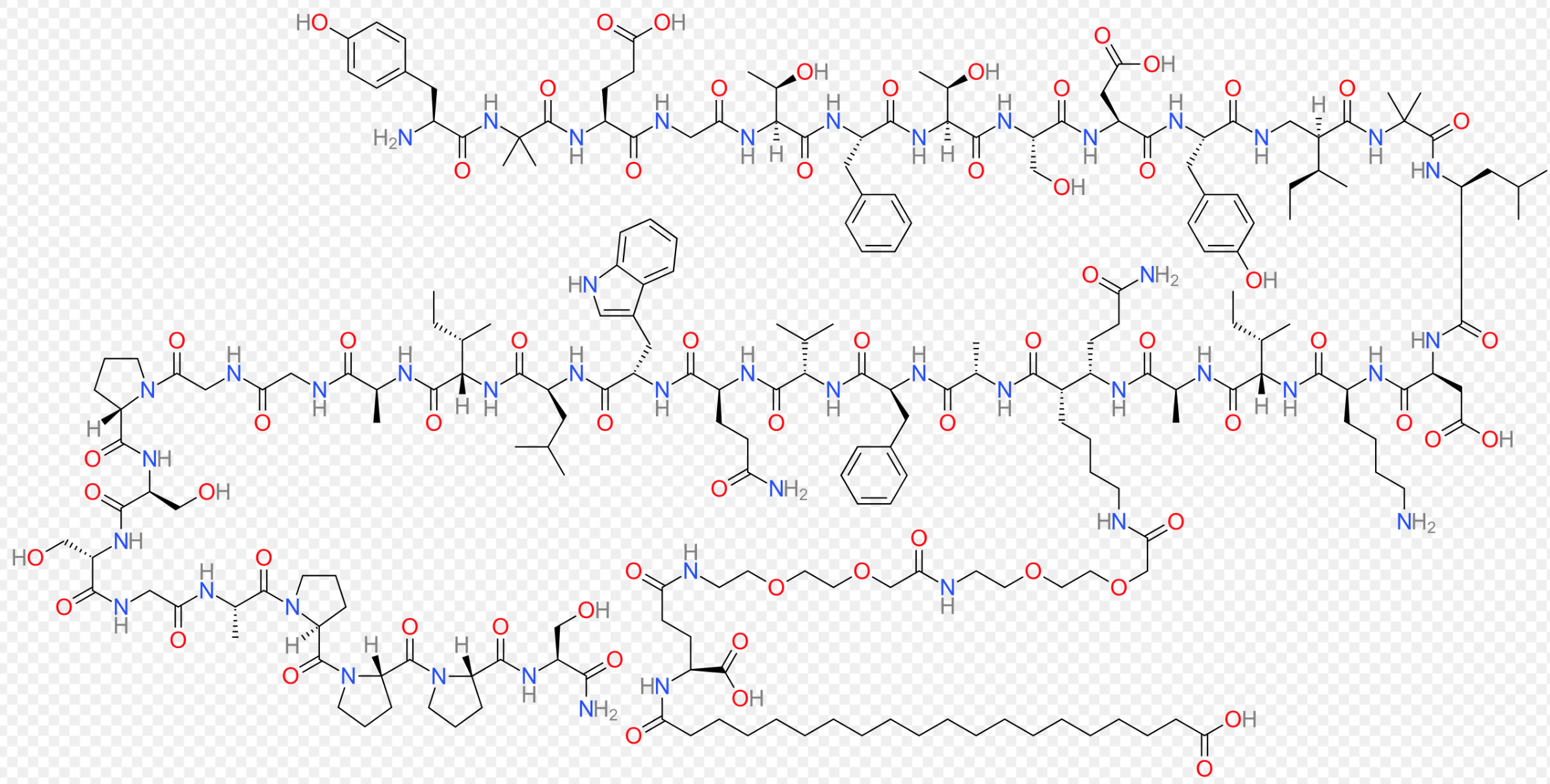
Khangaonkar continues, “Over the last ten years, there has been abundant innovation in the GLP-1 RA arena, with the rise of once-weekly injectables such as Eli Lilly’s Trulicity (dulaglutide) and Novo Nordisk’s Ozempic (semaglutide). In Q4 2019, Novo Nordisk’s Rybelsus (semaglutide) launched, making it the first daily oral GLP-1 RA.”
Ozempic and Trulicity were found to be useful at addressing comorbidities, including CV risk factors and obesity – both of which are highly prevalent in diabetes. At the beginning of 2020, Trulicity became the first T2D drug to be approved to reduce CV events in adults with and without CV disease. Subsequently, Ozempic received a label update to reduce major CV-adverse event risks in T2D patients, and announced results from its STEP 4 trial where it demonstrated significant weight loss benefits. Currently, GLP-1 RAs make up 15.3 per cent of the market, and they are expected to continue to grow.
Cuaron continues, “SGLT inhibitors are becoming treatment mainstays – not only in diabetes, but for CV and renal disease indications. In 2016, the FDA approved a new indication for Boehringer Ingelheim and Eli Lilly’s Jardiance (empagliflozin), making it the first diabetes drug to be approved to reduce the risk of CV death in adults with T2D. The SGL...































 (All Rights Reserved)