
On November 13th, LEGN.US reached an 1 billion US dollar cooperation agreement with Novartis Pharmaceuticals, under which Novartis will obtain the exclusive global licensing rights for LEGN.US's chimeric antigen receptor T-cell (CAR-T) therapy targeting DLL3. Similarly, on November 9th, Chengyi Biological Technology reached an overseas authorization cooperation agreement with AstraZeneca for its small molecule GLP-1 agonist ECC5004. AstraZeneca will gain the development and commercialization rights for this product outside of China, and Chengyi Biological Technology will receive an initial payment of USD 185 million and future milestone payments totaling USD 1.825 billion, setting a new record for the highest total amount of domestic overseas authorization transactions. After years of accumulation, a large number of innovative drug enterprises have been cultivated domestically, developing a batch of internationally competitive products. With the continuous enhancement of innovation strength, the timing is right for these products to "go global." This article focuses on the major overseas authorization events from this year, reflecting the vibrant momentum of China's innovative drug development.
License-out transaction refers to the mode where companies conduct early drug R&D, and then license the project to other pharmaceutical companies for late-stage clinical development and commercialization. It follows a milestone-based model to obtain clinical results at each stage as well as a certain percentage of sales after commercialization. As of now, the number of overseas authorization events this year has exceeded 80, with the Yangtze River Delta region leading by a wide margin, with as many as 50 projects achieving overseas authorization, accounting for 62%. Among them, Shanghai and Suzhou each have more than 20 projects, far surpassing all other cities in the country, demonstrating the strong innovative R&D strength in the two cities. In terms of project distribution, the main focus is on hot areas such as antibody drugs, new vaccines, and ADC drugs. In terms of the total transaction amount for the projects, thirteen major projects (including the two mentioned above) with a total amount exceeding USD 1 billion have been disclosed, accounting for 15%. The following text will list these major projects one by one.
1. WuXi Biologics and GSK
In January of this year, WuXi Biologics and GSK reached a licensing agreement for multiple innovative TCE bispecific/multispecific antibodies. GSK will gain exclusive licensing rights to a T-cell engager (TCE) bispecific antibody that is in the preclinical stage of development based on WuXi Biologics' patented technology platform. Additionally, GSK may choose up to three other TCE bispecific/multispecific antibodies based on this platform. WuXi Biologics will receive a USD 40 million upfront payment and milestone payments based on net sales.
According to public information, this bispecific antibody is still in the early discovery stage, targeting tumor-associated antigens (TAA) on the surface of tumor cells and CD3 antigen on T cells. By binding to both tumor cells and T cells, it specifically activates T cells, leading to tumor cell killing and anti-tumor activity.
2. Hutchmed and Takeda
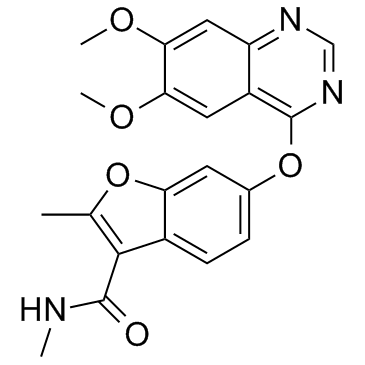
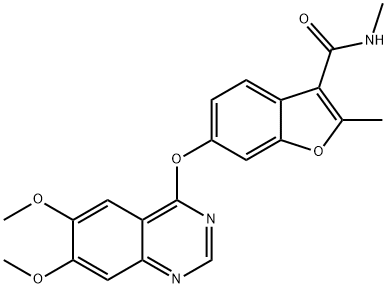
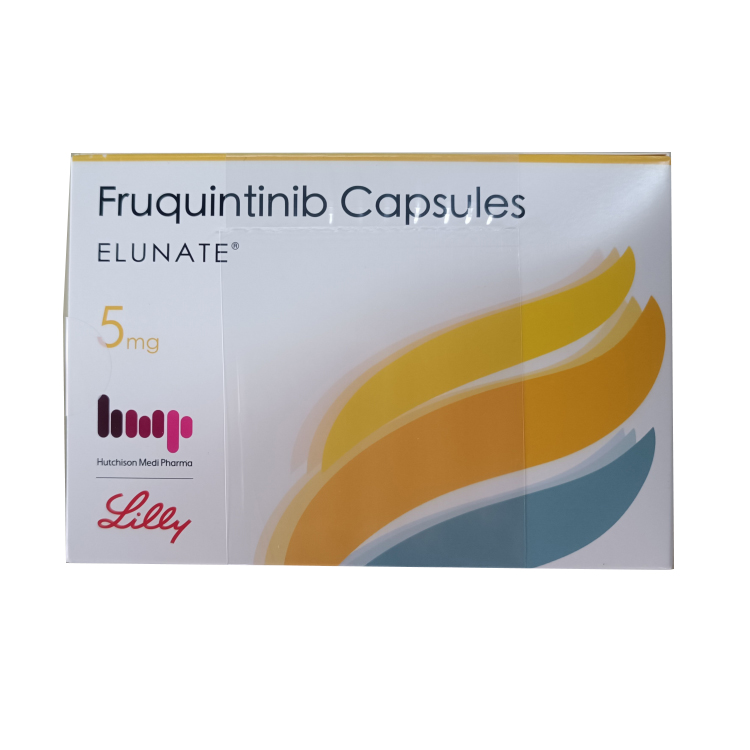
In January of this year, Hutchmed and Takeda Pharmaceutical reached an exclusive licensing agreement for fruquintinib. Takeda Pharmaceutical will further develop, commercialize, and manufacture fruquintinib globally, excluding mainland China, Hong Kong, and Macao. Hutchmed will receive a USD 400 million upfront payment and potential milestone payments for product registration, market launch, and commercial sales. On November 9th, Takeda Pharmaceutical received FDA approval for fruquintinib, becoming the first and only highly selective inhibitor targeting all three VEGF receptors approved by the FDA for the treatment of previously treated metastatic colorectal cancer.
Fruquintinib is a highly selective, potent oral VEGFR inhibitor that suppresses tumor angiogenesis, exerts anti-tumor effects, and has advantages such as reducing off-target toxicity, improving tolerability, and providing more stable target coverage. The drug was approved for marketin...
























 (All Rights Reserved)