
Pilose antler, a traditional TCM, is the unossifying young pilose antler of male Cervus nip port Temminck or Cervus elaphus Linnaeus. Pilose antler is sawed in summer and autumn and dried after processing. Pilose antler tastes sweet and is warm in nature, with the efficacy of strengthening kidney-yang, benefiting essence and blood, strengthening the bones and muscles, regulating thoroughfare and conception vessels, and expressing the toxin of sores. It is used to treat insufficiency of kidney-yang, blood and essence asthenia, impotence and spermatorrhea, cold in uterus and infertility, marked emaciation, spiritual fatigue, fear of cold, dizziness, tinnitus, deafness, lumbar spine crymodynia, weak muscles and bones, metrorrhagia and metrostaxis and leukorrhea, and lasting dorsal furuncle. According to modern research, chemical components of pilose antler mainly include the metallic elements, protein, polypeptide, growth factor, amino acids, saccharides and bioamine, etc. needed by humans.
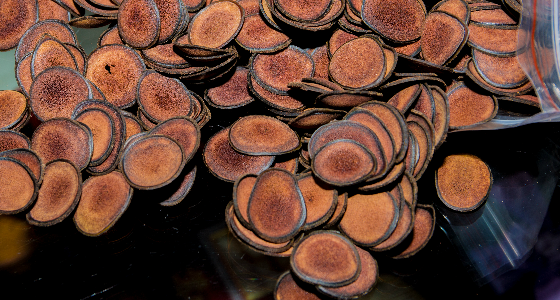
Modern processing methods of pilose antler decoction pieces
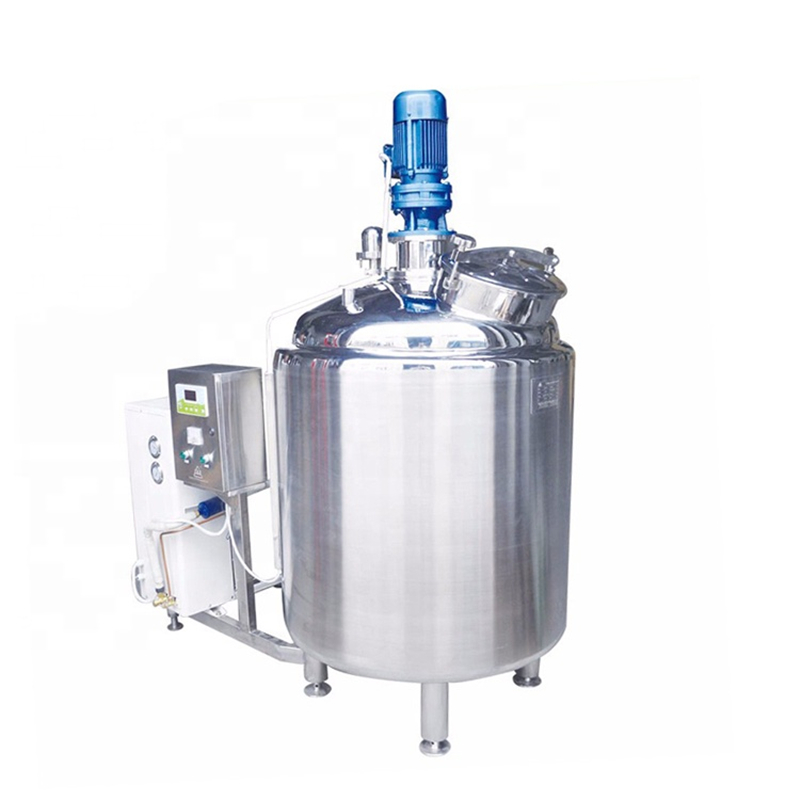
Modern processing methods of pilose antler include CP method, Lingnan method, dairy product processing method, and Wenbang processing method. The CP method is: remove the antler hair completely, wrap the antler with cotton tape, pour in hot liquor from the hole on the section, continue to add the liquor until the antler is thoroughly wet, or pour liquor and slightly steam it, then transversely slice it, flatten the slices, and then dry them. Lingnan method is: remove the antler hair completely, wet the antler with 30℃ rice wine, wrap the antler with cotton cloth after it is completely softened, tighten it with rope, steam it for 50min, and after cooling down, remove the rope and beat the antler with mallet to make it soft, cut open the antler lengthways, put the antler parts together, bind them up into strip with antler skin, then steam them for about 30min, then repeat the binding and steaming until they become cylindrical with appropriate hardness; slice the antler, absorb water and flatten the slices, and dry them in the shade or in a low temperature. Dairy product processing method is: remove the antler hair by fire, shave the residual hair with a glass sheet, thoroughly steam it in a chamber, slice it (about 1.5~3mm thick), dip slices into milk, bake them on smokeless fire until the milk evaporates and the slice color becomes yellow, and finally dry the slices in the sun. Wenbang processing method is: remove the antler hair by fire, wipe it, wrap it with rope, continue to add hot liquor (50~55℃) from the hole on the section, put the section upwards, put absorbent cotton at the pot bottom (to prevent the hot liquor from injuring the antler tip), until the hot liquor completely penetrates deep into the interior, and repeat the above steps until the remaining liquor is all poured; cover the pot for 24h, then take out the antler for 1h baking on charcoal fire paved with hot ash with temperature of about 60℃, take it out for slicing after it is completely softened, dry them in a cool and ventilated place, place them in a winnowing fan at night, cover with gauze, flatten them with rice, separately place them in winnowing fans on the second day for drying, and this way, the pilose antler decoction pieces will be dried in 2~3 days. In fact, there are professional TCM equipment that can be used in the processing methods of pilose antler decoction pieces.
Pharmacological action of pilose antler
According to modern research, pilose antler polypeptide can promote the regeneration of the nervous system and also the early regeneration of the nerve injury. According to the experiment building a memory disorder model in mice using scopolamine hydrobromide and intervening with pilose antler, the low, medium, and high positive pilose antler polypeptide groups could significantly shorten the escape latency and escape path length of memory-impaired mice, reduced errors, reduced MDA content, and promoted high expression of GSH and SOD. Pilose antler also has good immunologic enhancement. According to an exper...



























 (All Rights Reserved)